 Grand Launch: Special Offer – Summer Wellness Package

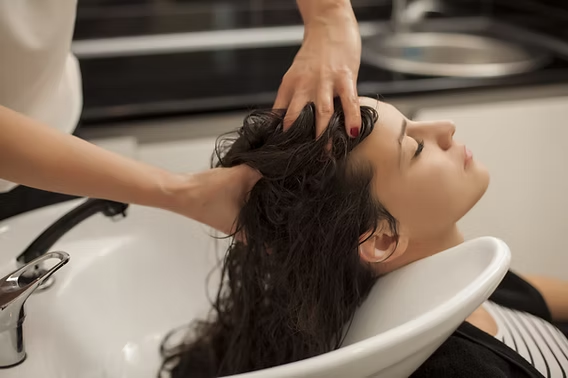
Hey Canadians! With our notoriously harsh winters and those dreaded seasonal transitions that seem to mess with everyone’s sinuses, we’ve all been there – that awful feeling when you can’t breathe through your nose and your face feels like it’s stuffed with cotton. Before you reach for another decongestant (which, let’s be real, only works for so long), consider trying some targeted head massage techniques that can provide genuine relief.
As someone who’s dealt with their fair share of Canadian winter sinus drama, I’m excited to share these evidence-based massage techniques that are currently trending in Toronto’s wellness scene. These aren’t just feel-good treatments – they’re scientifically-backed methods that can help you breathe easier, eh!
Why Head Massage Works for Sinus Relief: The Science Behind It
Recent research shows that facial massage therapy significantly reduced the severity of sinus headaches in 35 women, while another study in male athletes with chronic sinusitis showed that facial therapeutic massage was shown to significantly reduce facial congestion and facial tenderness compared to the control group.
Here’s what’s happening when you massage those pressure points:
- Enhanced drainage: Gentle pressure encourages mucus movement toward natural drainage pathways
- Improved circulation: Increased blood flow reduces inflammation and promotes healing
- Lymphatic stimulation: Helps clear toxins and reduce swelling in sinus tissues
- Neural pathway activation: Triggers the body’s natural pain-relief mechanisms
Think of it like gently squeezing a sponge filled with water – the massage helps encourage fluid (mucus) to move away from blocked areas, reducing pressure and discomfort.
The Four-Sinus System: Know Your Target Areas
Before we dive into the techniques, let’s get familiar with your sinus geography. Understanding where these cavities are located will help you target your massage more effectively:
Frontal Sinuses
Located above your eyebrows in the center of your forehead. When these get congested, you’ll feel pressure right above your eyes – that classic “headache behind your forehead” feeling.
Maxillary Sinuses
These are the big ones in your cheekbones, below your eyes. They’re the most prone to infection and can cause tooth pain when congested (weird, but true!).
Ethmoid Sinuses
Positioned between your eyes, behind the bridge of your nose. These little troublemakers often cause that deep, hard-to-reach pressure.
Sphenoid Sinuses
The deepest ones, located behind your nose between your eyes. These can cause headaches that feel like they’re coming from inside your skull.
Technique #1: The Frontal Sinus Relief Method
This is your go-to move for that forehead pressure and tension headaches:
Step-by-Step:
- Warm your hands by rubbing them together (nobody likes cold fingers on their face!)
- Position your fingers: Place your index and middle fingers just above your eyebrows, toward the middle of your forehead
- Apply gentle pressure: Using very light pressure (think feather-light touch), begin massaging in small circular motions
- Work outward: Slowly move your fingers outward toward your temples, maintaining those gentle circles
- Hold at temples: Once you reach your temples, hold with gentle pressure for 15-30 seconds while breathing deeply
- Repeat: Continue this pattern for 2-3 minutes
Pro tip: There’s a specific pressure point where your frontal sinuses drain – it’s near the inner corners of your eyebrows where your nose starts to curve to meet your orbital bone. You might feel a slight ridge there. Rest your fingers on that point with very light pressure for extra relief.
Technique #2: The Maxillary Sinus Drainage Technique
Perfect for when your cheeks feel like they’re going to explode:
Step-by-Step:
- Locate the sweet spot: Using your index and middle fingers, find the area just beside your nostrils, along your cheekbones
- Start the circles: Apply light pressure and massage in slow, circular outward motions
- Work toward your ears: Gradually move your fingers along your cheekbones toward your ears
- Use your thumbs: For deeper relief, switch to your thumbs and apply slightly more pressure (but still gentle!)
- Focus on tender spots: If you find a particularly tender area, hold gentle pressure there for 10-15 seconds
- Duration: Continue for about 1-2 minutes, repeating the sequence twice
This technique targets the largest sinuses in your face and is particularly effective for that “stuffy cheek” feeling that’s so common during Toronto’s allergy season.
Technique #3: The Ethmoid and Sphenoid Complex Release
This one’s for that deep, hard-to-reach congestion:
Step-by-Step:
- Hand placement: Place your index and middle fingers on either side of your nose bridge, between your inner eye corners
- Gentle upward strokes: Using very light pressure, massage in small upward circular motions
- Move along the nose: Slowly work your way down the sides of your nose bridge
- Include the nasal base: Finish by gently massaging the base of your nostrils with small circular motions
- Breathe deeply: Throughout this technique, focus on slow, deep breathing through your mouth
- Time it right: Spend about 1-2 minutes on this area, being extra gentle as this region is sensitive
Caution: This area is particularly delicate, so if you experience any dizziness or discomfort, reduce pressure immediately.
Technique #4: The Comprehensive Acupressure Approach
For those who want to hit all the major pressure points:
Key Pressure Points to Target:
- BL2 Point: Where your eyebrow meets your nose – great for frontal headaches
- LI20 Point: At the base of your nostrils – perfect for general sinus pressure
- SI18 Point: Where your cheekbones meet your nose – excellent for congestion relief
- GB20 Point: At the back of your head where skull meets neck – helps with overall head tension
The Technique: Apply gentle, sustained pressure to each point for 30-60 seconds, breathing deeply and allowing the tension to release.
Canadian Winter Special: The Temperature Contrast Method
Here’s a technique that’s particularly effective during our brutal Canadian winters:
What You’ll Need:
- A warm, damp washcloth
- Cold water or ice pack (wrapped in thin cloth)
The Process:
- Warm phase: Apply the warm washcloth to your sinus areas for 3-4 minutes
- Massage phase: While the area is warm and circulation is increased, perform any of the above massage techniques
- Cold phase: Finish with a brief (30-second) application of cold to reduce inflammation
- Repeat: This warm-massage-cold cycle can be repeated 2-3 times for maximum benefit
This method takes advantage of our bodies’ natural response to temperature changes and is especially helpful during those harsh February days when the indoor heating has your sinuses completely dried out.
Essential Oils That Enhance the Experience
While not necessary, certain essential oils can amplify the benefits of sinus massage:
- Eucalyptus: Natural decongestant with antimicrobial properties
- Peppermint: Cooling sensation that can help open airways
- Tea tree: Anti-inflammatory and antibacterial benefits
- Lavender: Relaxation and stress reduction
Usage: Dilute 1-2 drops in a carrier oil (like coconut or almond oil) before applying to avoid skin irritation.
When to Use These Techniques
Daily Prevention: 5-10 minutes of gentle sinus massage can help prevent congestion buildup Acute Relief: During active congestion, repeat techniques every 2-3 hours Seasonal Support: Increase frequency during high pollen days or cold/flu season Pre-sleep Routine: Gentle massage before bed can prevent overnight congestion buildup
Important Safety Guidelines
- Pressure matters: Always use gentle pressure – you’re encouraging drainage, not forcing it
- Stop if dizzy: If you feel lightheaded or dizzy, reduce pressure or take a break
- Avoid broken skin: Don’t massage over acne, cuts, or irritated areas
- Hydration is key: Drink plenty of water before and after massage to help thin mucus
- Know when to seek help: If you have severe pain, high fever (above 102°F/38.9°C), or symptoms that persist beyond 10 days, see a healthcare provider
Combining Techniques for Maximum Relief
For the best results, consider combining sinus massage with other natural remedies:
The Ultimate Relief Protocol:
- Steam inhalation (5 minutes over hot water with a towel over your head)
- Sinus massage techniques (10-15 minutes)
- Nasal irrigation with saline solution
- Hydration boost (extra water or herbal tea)
Professional Head Spa Treatments: The Next Level
While these self-massage techniques are incredibly effective, sometimes you need the expert touch. Toronto’s head spa scene has exploded with specialized treatments that combine traditional sinus relief techniques with modern therapeutic approaches.
Professional treatments often include:
- Advanced pressure point therapy
- Specialized equipment for enhanced drainage
- Aromatherapy integration
- Customized treatment plans based on your specific congestion patterns
If you’re dealing with chronic sinus issues or want to experience the full benefits of professional sinus massage, consider booking a specialized head spa treatment that focuses on sinus relief and overall head wellness.
Research-Backed Benefits You Can Expect
Studies show that regular sinus massage can provide:
- Immediate relief: Many people experience reduced pressure within minutes
- Improved sleep quality: Better breathing leads to more restful sleep
- Reduced headache frequency: Less sinus pressure means fewer tension headaches
- Enhanced mood: Being able to breathe properly naturally improves how you feel
- Faster recovery: From colds and sinus infections when used alongside other treatments
The Bottom Line for Fellow Canucks
Living in Canada means dealing with dramatic weather changes, dry indoor heating, and seasonal challenges that can wreak havoc on our sinuses. These massage techniques aren’t just trendy wellness practices – they’re practical, science-backed tools that can genuinely help you breathe easier and feel better.
The best part? You can do them anywhere – stuck in a Toronto traffic jam, taking a break at your desk, or relaxing at home after a long day. No special equipment needed, just your hands and a few minutes of focused attention.
Remember, consistency is key. Regular practice of these techniques can help prevent congestion buildup and make you more resilient to those inevitable seasonal sinus challenges we all face up here in the Great White North.
Ready to Breathe Easy?
Don’t let sinus congestion control your life, especially during our challenging Canadian seasons. These techniques are your natural, drug-free toolkit for better breathing and improved quality of life.
If you’re in the GTA and want to experience professional-level sinus relief, specialized head spa treatments can provide the expert care and advanced techniques that take these benefits to the next level. There’s nothing quite like the combination of professional expertise and the right environment to maximize your sinus relief and overall head wellness.
For more information on sinus health and drainage techniques, check out the Mayo Clinic’s guide to sinus problems or explore the latest research on manual therapy for sinus relief on Wikipedia.