 Fall Special Offer

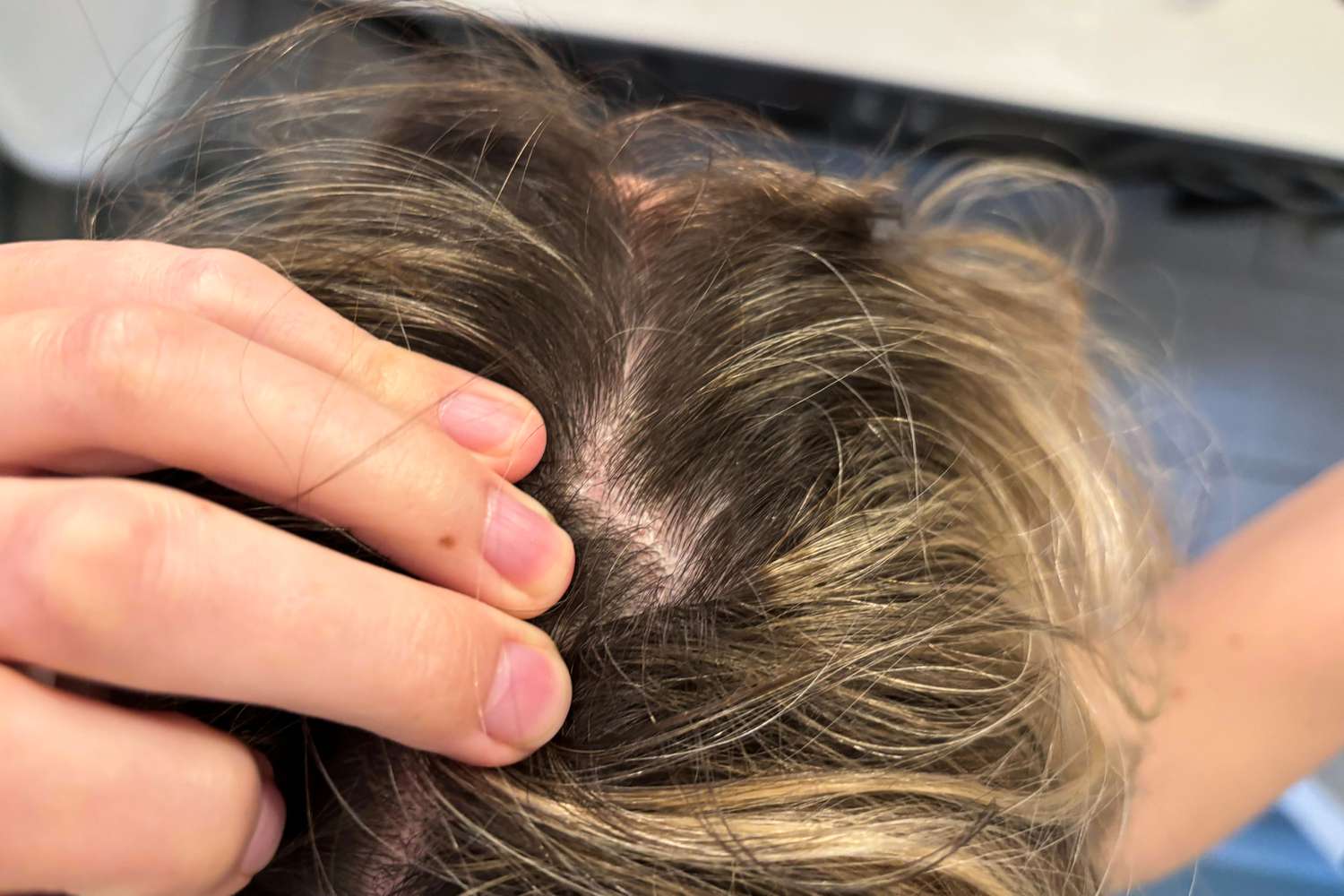
The Short Answer: While head massage cannot cure tinnitus, research shows it can significantly reduce symptoms by relieving muscle tension, improving circulation, reducing stress, and addressing underlying TMJ dysfunction—especially for people whose ear ringing stems from neck, jaw, or stress-related causes.
Understanding Tinnitus: More Than Just Ear Ringing
Tinnitus affects approximately one in five Canadians, with that number rising to one in four among people aged 65 and older. If you’ve experienced persistent ringing, buzzing, whistling, or humming sounds in your ears that no one else can hear, you’re familiar with how disruptive this condition can be.
The perception of phantom sounds can interfere with concentration, sleep, work performance, and emotional wellbeing. While tinnitus has no cure, emerging research reveals that targeted massage therapy—particularly head, neck, and jaw massage—can provide meaningful symptom relief for many individuals.
The Science Behind Tinnitus and Muscle Tension
Here’s something surprising: tinnitus often originates in the brain and surrounding muscles, not just the ears themselves. The auditory pathway and the neural networks that interpret sound can become hypersensitive, creating the perception of noise even when no external sound exists.
Several factors connect head massage to tinnitus relief:
The Somatosensory Connection
Research demonstrates that between 36-43% of tinnitus cases are “somatosensory tinnitus,” meaning the symptoms are influenced by musculoskeletal issues in the head, neck, and jaw. When you tighten specific muscles or move your jaw and neck in certain ways, you may notice your tinnitus changing in pitch, volume, or location—clear evidence of this connection.
The TMJ Link
The temporomandibular joint (TMJ) sits incredibly close to the inner ear structures. When TMJ dysfunction occurs—often from teeth grinding, stress-related jaw clenching, or poor alignment—the resulting muscle tension and inflammation can directly trigger or worsen tinnitus symptoms. Studies show that people with TMJ disorders are significantly more likely to experience ear ringing.
The Stress-Tinnitus Cycle
Chronic stress elevates cortisol levels, which can impair nervous system function and make tinnitus symptoms more pronounced. The condition itself then creates additional stress, forming a vicious cycle. Massage therapy interrupts this pattern by activating the parasympathetic nervous system and reducing stress hormones.
How Head Massage Addresses Tinnitus Symptoms
Head spa treatments and therapeutic massage work through multiple mechanisms to reduce tinnitus distress:
1. Releases Tension in Key Muscle Groups
The masseter muscle (your main chewing muscle) is the strongest muscle in the body proportional to its size. When chronically tense from grinding or clenching, it can contribute significantly to tinnitus. Similarly, the temporalis muscle extending from your temples to your jawbone frequently harbours tension that manifests as both headaches and ear ringing.
Massage reduces tense muscles and corrects neck, head, and jaw misalignment which can place stress on the inner ear, providing relief for those whose tinnitus stems from muscular dysfunction.
2. Improves Blood Circulation
Enhanced circulation brings fresh oxygen and nutrients to the tissues surrounding your ears while removing metabolic waste products. Better blood flow to the auditory system can reduce the intensity of tinnitus symptoms, particularly when circulation issues contribute to the condition.
3. Stimulates Lymphatic Drainage
The lymphatic system around your head and neck helps remove excess fluid and reduce inflammation. When lymph flow becomes sluggish, fluid buildup and inflammation can exacerbate tinnitus. Gentle massage techniques encourage proper lymphatic drainage, potentially decreasing inflammation-related ear symptoms.
4. Reduces Overall Stress and Anxiety
Research shows that stress can make tinnitus worse, with 25% of people linking tinnitus severity to chronic stress. Massage therapy triggers the release of endorphins and serotonin while lowering cortisol levels, creating a profound relaxation response that diminishes the brain’s perception of tinnitus.
5. Addresses the Mastoid Process
The mastoid process—the bony area directly behind your ear—connects to numerous muscles surrounding the ear and neck. Massaging the mastoid process with gentle techniques can relieve tension in the neck and ear muscles and allow the neck to move back into correct alignment, which often reduces ringing sensations.
Evidence-Based Massage Techniques for Tinnitus Relief
Research supports several specific massage approaches for managing ear ringing:
Neck and Jaw Massage
Studies show that massage of the neck, ear, and chewing muscles can provide significant improvements for those with tinnitus. One case study documented complete reversal of tinnitus symptoms after 2.5 months of consistent soft tissue massage combined with repetitive movements and joint mobilization.
Scalp Massage
Gentle scalp massage using circular motions helps relax the temporalis muscles and reduces tension headaches that often accompany tinnitus. This technique also promotes overall relaxation and stress reduction.
Earlobe and Ear Canal Massage
Gently pulling the earlobe outward and upward can help reduce inner ear fluid buildup, which may relieve ringing sensations. Massaging the area in front of the ear canal and behind the earlobe improves local circulation.
Suboccipital Muscle Release
The suboccipital muscles at the base of your skull are common sources of tension for people with tinnitus. These muscles often become tight from poor posture—particularly from extended periods looking at screens. Releasing this tension can provide immediate relief from both tinnitus and tension headaches.
What to Expect from Head Spa Treatment for Tinnitus
Professional head spa treatments in Toronto offer comprehensive approaches that address multiple tinnitus triggers simultaneously:
Initial Consultation: Your therapist assesses your specific symptoms, identifies muscle tension patterns, and discusses potential triggers like stress, posture, or teeth grinding.
Targeted Muscle Work: The treatment focuses on your masseter, temporalis, sternocleidomastoid, and upper trapezius muscles—all frequently implicated in tinnitus.
Gentle Techniques: Unlike deep tissue massage, tinnitus-focused treatments use lighter pressure with rhythmic, flowing movements that calm rather than stimulate the nervous system.
Integrated Approach: The best results come from combining scalp massage with neck, shoulder, and jaw work, since tinnitus rarely exists in isolation from broader musculoskeletal tension patterns.
Relaxation Response: The deeply calming nature of head spa treatments activates your parasympathetic nervous system, countering the stress that exacerbates ear ringing.
Complementary Self-Care Techniques
Between professional treatments, you can support tinnitus management with simple at-home practices:
- Jaw Relaxation: Consciously relax your jaw throughout the day, keeping your teeth slightly apart and tongue resting gently on the roof of your mouth
- Posture Correction: Maintain proper neck alignment to reduce strain on the structures near your inner ear
- Stress Management: Practice deep breathing, meditation, or progressive muscle relaxation
- Sleep Hygiene: Poor sleep can worsen tinnitus perception; prioritize consistent, quality rest
- Hydration: Proper fluid intake supports healthy lymphatic function
The Growing Interest in Natural Tinnitus Solutions
Search trends for 2025 reveal surging interest in non-invasive tinnitus management approaches. Online searches for phrases like “natural tinnitus relief,” “ear ringing remedies,” and “auditory system support” have increased significantly in recent months, reflecting growing awareness that conservative therapies like massage can meaningfully impact quality of life.
This shift aligns with broader wellness trends favouring holistic, integrative approaches over purely pharmaceutical interventions. The emerging bimodal neuromodulation treatment for tinnitus approved in 2023 demonstrates the medical community’s recognition that brain-based interventions work alongside traditional approaches.
Who Benefits Most from Massage Therapy for Tinnitus?
While individual responses vary, certain people may find massage particularly helpful:
- Those whose tinnitus began after neck or jaw injury
- People with diagnosed TMJ disorders or teeth grinding habits
- Individuals whose ear ringing changes with jaw movements or neck positions
- Those experiencing tension headaches alongside tinnitus
- People under significant stress or with anxiety
- Anyone with poor posture from desk work or device use
Important Considerations and Limitations
Massage is not appropriate for all tinnitus cases. If your ear ringing stems from:
- Sudden hearing loss requiring urgent medical attention
- Acoustic neuroma or other tumours
- Ménière’s disease during active episodes
- Recent ear surgery or infection
…you should consult your healthcare provider before pursuing massage therapy.
Additionally, massage may not physically address tinnitus symptoms directly, but it might help promote relaxation, soothe the nervous system, and manage stress—all factors that influence how bothersome tinnitus feels.
Setting Realistic Expectations
It’s crucial to understand that massage therapy for tinnitus:
- Cannot cure the condition but can make it more manageable
- Requires consistency for best results—single sessions rarely provide lasting relief
- Works best as part of comprehensive care that may include sound therapy, cognitive behavioural techniques, and lifestyle modifications
- Varies in effectiveness depending on the underlying cause of your tinnitus
The goal isn’t to eliminate tinnitus entirely but to reduce its intensity, improve your ability to cope with symptoms, and enhance overall quality of life.
The Toronto Advantage: Specialized Head Spa Care
Modern head spa facilities in Toronto combine traditional massage techniques with contemporary understanding of tinnitus neuroscience. Therapists trained in TMJ dysfunction, myofascial release, and stress reduction create personalized treatment plans that address your unique symptom profile.
The relaxing atmosphere of a professional head spa provides the perfect environment for activating your body’s natural healing responses. The integration of aromatic therapy, soothing music, and therapeutic touch creates a multisensory experience that maximizes stress reduction—a key component of tinnitus management.
Moving Forward: Your Path to Quieter Days
If you’ve been struggling with persistent ear ringing, head massage offers a safe, non-invasive approach worth exploring. While not a miracle cure, massage can help alleviate phantom sounds by reducing tightness around the neck, face, and jaw in order to promote relaxation and rest within the tissues.
The journey to managing tinnitus often requires patience and a multifaceted approach. Professional massage therapy provides one valuable tool in your wellness toolkit, especially when combined with proper sleep habits, stress management techniques, and—when appropriate—medical interventions.
Remember: persistent or worsening tinnitus warrants professional medical evaluation to rule out underlying conditions requiring specific treatment. Once serious causes are excluded, integrative approaches including head spa massage can offer meaningful symptom relief and improved daily functioning.
Ready to discover whether head massage can help quiet your tinnitus symptoms? Consider booking a consultation to explore how targeted therapeutic touch might bring you closer to the peace and quiet you deserve.
Pro Tip: Keep a simple tinnitus journal tracking your symptoms alongside massage sessions, stress levels, sleep quality, and dietary factors. Patterns often emerge that help you and your therapist optimize your treatment approach for maximum relief.
For comprehensive information about tinnitus, visit the American Tinnitus Association or explore clinical tinnitus research on Medical News Today. Learn more about temporomandibular joint disorders on Wikipedia.