 Fall Special Offer

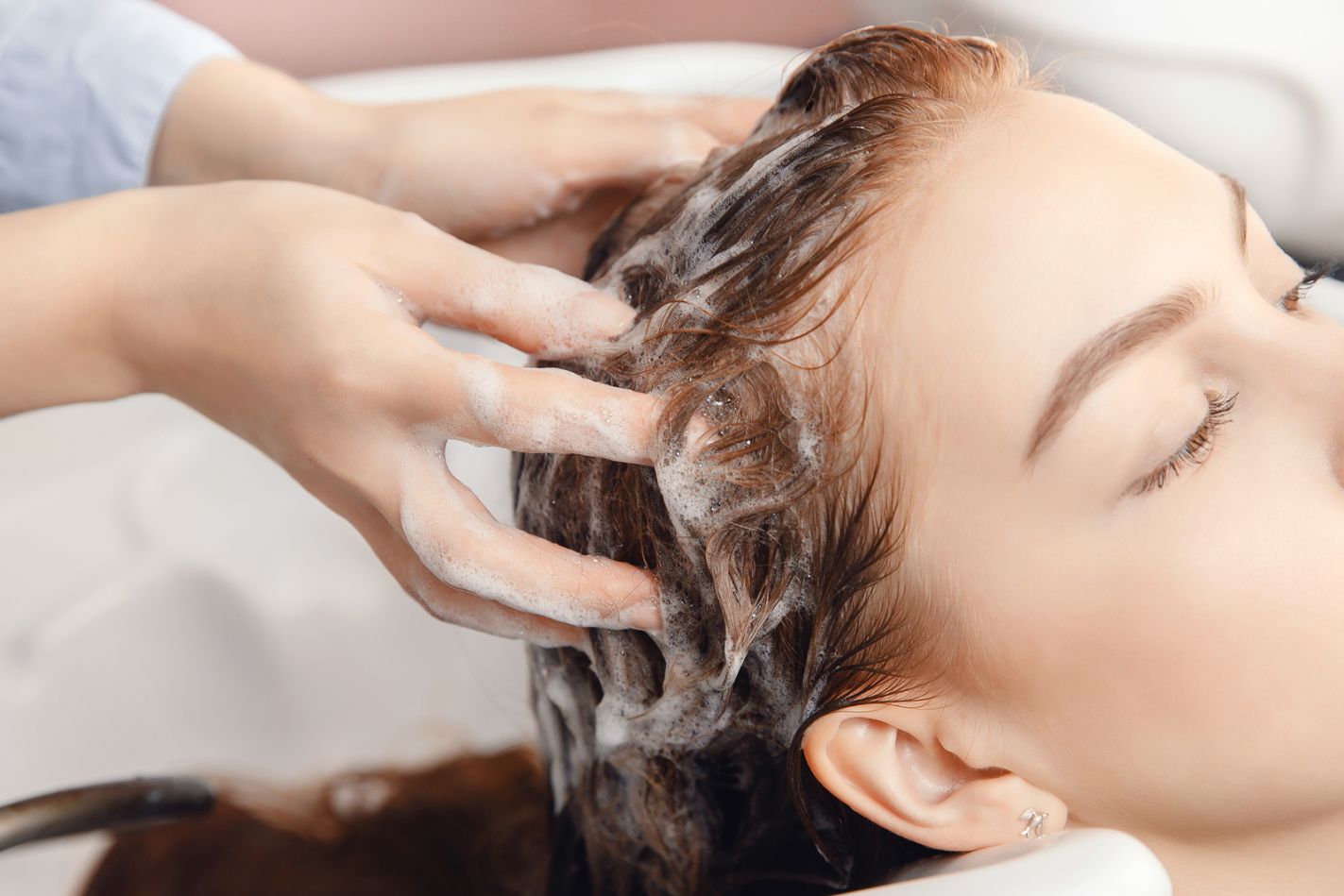
Bottom Line: Yes, regular head massage can significantly reduce reliance on pain medications, with research showing over 52% of patients report needing less pain medication after receiving massage therapy, whilst avoiding the serious risks associated with long-term pharmaceutical use.
If you’re among the millions of Canadians managing chronic pain with regular medication, you’ve likely wondered whether there’s a safer, more sustainable alternative. The answer might be simpler than you think—and it’s literally at your fingertips. Head massage, particularly when delivered professionally and consistently, is emerging as a powerful tool in the fight against medication dependency, offering genuine relief without the concerning side effects of pharmaceutical painkillers.
As Canada—like much of the world—grapples with an opioid crisis that has devastated communities, healthcare professionals are urgently seeking effective alternatives to prescription pain medications. The good news? The evidence for massage therapy as a viable, non-addictive solution is growing stronger every year.
The Hidden Costs of Pain Medication Dependency
Before exploring how head massage can help, let’s understand what we’re up against. Chronic pain affects more than 50 million adults in North America, surpassing the combined impact of diabetes, heart disease, and cancer. For many, prescription pain medications become a daily necessity—but at what cost?
The Opioid Reality
Prescription opioids like oxycodone, hydrocodone, and morphine carry substantial risks:
- Addiction potential: Even when taken as prescribed, opioids can lead to physical dependence and addiction
- Tolerance development: Over time, your body requires increasing doses to achieve the same pain relief
- Serious side effects: From constipation and nausea to respiratory depression and overdose risk
- Quality of life impact: Many patients report feeling lethargic, disoriented, and disconnected from daily life
- Economic burden: The opioid epidemic costs society billions annually in healthcare expenses and lost productivity
Deaths from prescription opioids have more than quadrupled since 1999, according to major health organizations. This sobering statistic has prompted healthcare providers, policymakers, and patients to seek safer alternatives.
The NSAID Dilemma
Even non-opioid medications come with concerns. NSAIDs (nonsteroidal anti-inflammatory drugs) like ibuprofen and naproxen, whilst generally safer than opioids, can cause:
- Stomach problems and gastrointestinal bleeding
- Increased cardiovascular risks with long-term use
- Kidney damage with prolonged high doses
- Potential medication interactions
For many Canadians managing chronic conditions like tension headaches, migraines, arthritis, or back pain, the choice between managing pain and risking medication side effects feels like an impossible dilemma.
The Science: How Head Massage Reduces Pain Medication Needs
Research into massage therapy’s impact on pain management has produced compelling results. Multiple studies published in peer-reviewed journals demonstrate that regular massage can genuinely reduce both pain intensity and the need for pharmaceutical intervention.
Groundbreaking Hospital Research
A landmark study in acute care settings measured pain levels in hospitalized patients before and after massage therapy. The results were remarkable:
- Average pain reduction: Patients’ mean pain levels dropped from 5.18 to 2.33 on a 10-point scale
- Reduced medication needs: Over 52% of participants reported needing less pain medication after receiving massage therapy
- Nursing observations: Healthcare providers documented decreased pain levels and reduced necessity for pain medications following massage sessions
One cancer patient in the study noted: “I looked forward to the massages I received whilst in ICU—each helped to reduce the pain.” Another stated: “I’ve never had anything take this pain away completely.”
Chronic Pain Success Stories
Research specifically examining chronic pain conditions shows equally promising outcomes. A case study of a 63-year-old man with multiple back pathologies (osteoarthritis, scoliosis, spinal stenosis, and degenerative disc disease) demonstrated dramatic improvements after just four massage sessions:
- Improvement in 9 out of 10 measurements of pain and daily functioning
- Ability to reduce prescription pain medication (Percocet) by at least one dose daily
- First bicycle ride in several years
- Elimination of shoulder pain that had persisted since 2010
The patient specifically sought massage therapy because his pain medication made him feel “lethargic and disoriented”—a common complaint that severely impacts quality of life.
Tension Headache Relief
For chronic tension headache sufferers, the evidence is particularly strong. Research published in the American Journal of Public Health found that muscle-specific massage therapy techniques significantly reduced headache frequency:
- Rapid results: Headache frequency decreased within just one week of massage treatment
- Sustained benefits: The reduction was maintained throughout the four-week treatment period
- Long-term effects: Some studies show benefits persisting for six months after treatment ends
This suggests massage therapy has the potential to be a functional, nonpharmacological intervention for reducing chronic tension headache incidence—offering relief without the rebound headaches that can accompany overuse of pain medications.
Migraine Management
A 2023 review of randomized controlled trials found that connective tissue massage helped reduce migraine pain intensity. In one study comparing massage therapy with other treatments:
- Both treatment groups experienced similar improvements in migraine pain after six weeks
- Participants receiving head massage with lavender and peppermint essential oils reported improvements in both pain levels and quality of life
- The effects were achieved without pharmaceutical intervention
Understanding the Mechanisms: Why Head Massage Works
The effectiveness of head massage for pain management isn’t mystical—it’s grounded in solid physiological mechanisms that researchers continue to document and understand.
Neurological Pain Signal Disruption
When you receive a head massage, several things happen simultaneously in your nervous system:
Gate Control Theory in Action: Massage activates large nerve fibres that effectively “close the gate” on pain signals traveling to your brain. This means fewer pain messages reach your conscious awareness, providing genuine relief rather than simply masking symptoms.
Endorphin Release: Your body produces its own natural pain-relieving chemicals—endorphins—in response to massage. These endogenous opioids can be remarkably effective without the risks associated with pharmaceutical opioids.
Reduced Cortisol: Massage therapy significantly lowers stress hormones like cortisol. Since stress amplifies pain perception, reducing cortisol creates a more favourable environment for pain management.
Myofascial Trigger Point Deactivation
Many chronic pain conditions, particularly tension headaches and neck pain, originate from myofascial trigger points—hyperirritable spots in taut bands of muscle. These trigger points:
- Create localized pain and referred pain patterns
- Develop from sustained muscle contraction and local nutrient deficiencies due to restricted blood flow
- Can be effectively treated through targeted massage techniques
Professional head massage therapists trained in trigger point therapy can identify and deactivate these pain generators, providing relief that often exceeds what medication can accomplish.
Improved Circulation and Tissue Health
Head, neck, and shoulder massage enhances blood flow to affected areas, delivering:
- Increased oxygen to ischaemic tissues
- Essential nutrients for tissue repair
- Removal of inflammatory metabolites that contribute to pain
- Better overall tissue health and resilience
Breaking the Pain-Tension Cycle
Chronic pain creates muscle tension, which creates more pain, which creates more tension—a vicious cycle that medications alone often can’t break. Massage interrupts this cycle by:
- Directly releasing muscular tension
- Calming the nervous system’s stress response
- Improving sleep quality (pain often disrupts sleep, which worsens pain perception)
- Enhancing overall physical and mental well-being
The Toronto Head Spa Approach to Pain Management
Toronto’s innovative head spa treatments offer a comprehensive approach to pain relief that goes far beyond basic massage. These specialized services integrate multiple therapeutic modalities designed to address pain from various angles.
What Makes Professional Treatment Different
Comprehensive Assessment: Skilled therapists evaluate your specific pain patterns, muscle tension, trigger points, and overall condition to create a customized treatment plan.
Advanced Techniques: Professional practitioners employ specialized methods including:
- Swedish massage for overall relaxation and circulation
- Deep tissue work for chronic muscle tension
- Trigger point therapy for specific pain generators
- Craniosacral therapy for headaches and jaw tension
- Acupressure at pain-relieving meridian points
Consistency and Expertise: Regular sessions with trained therapists provide cumulative benefits that self-massage simply can’t match. Professional practitioners understand anatomy, optimal pressure, and technique progression to maximize pain relief.
Holistic Environment: The calming atmosphere of a head spa enhances the stress-reduction benefits, which are crucial for pain management.
The Multimodal Advantage
Research increasingly shows that multimodal pain management—combining several non-pharmaceutical approaches—produces better outcomes than any single intervention. Professional head spa treatments naturally incorporate multiple beneficial elements:
- Physical manipulation (massage)
- Sensory therapy (aromatherapy, soothing music)
- Stress reduction (calming environment)
- Mindfulness (encouraging present-moment awareness)
- Education (learning about pain management strategies)
This comprehensive approach aligns with current CDC recommendations emphasizing nonpharmacologic and nonopioid therapies as primary pain management strategies.
Creating Your Pain Management Plan
If you’re interested in reducing your reliance on pain medications through head massage, here’s how to approach it strategically:
Starting Your Transition
Consult Your Healthcare Provider: Never abruptly stop pain medications without medical guidance. Discuss your interest in reducing medication through massage therapy with your doctor, who can help create a safe transition plan.
Set Realistic Expectations: Massage therapy typically requires consistent practice before you’ll see significant medication reduction. Most research suggests:
- Weekly sessions initially for 4-8 weeks
- Gradual transition to bi-weekly or monthly maintenance
- Combining professional treatments with self-care techniques
Track Your Progress: Keep a pain diary noting:
- Pain intensity levels (0-10 scale)
- Medication usage
- Functional improvements (activities you can do)
- Sleep quality
- Overall mood and wellbeing
Choosing the Right Frequency
Research provides guidance on optimal treatment frequency:
For Chronic Tension Headaches: Studies showing the strongest results used sessions 2-3 times weekly initially, transitioning to weekly maintenance.
For General Chronic Pain: Most effective protocols involve 50-60 minute sessions weekly for 8-12 weeks, then ongoing maintenance as needed.
For Acute Flare-ups: More frequent shorter sessions (even daily 15-20 minute treatments) can help manage acute exacerbations without reaching for medication.
Maximizing Your Results
Between-Session Self-Care:
- Practice gentle self-massage techniques your therapist teaches you
- Apply heat or cold as appropriate for your condition
- Maintain good posture to prevent tension buildup
- Stay hydrated to support tissue health
- Engage in gentle movement or stretching
Lifestyle Integration:
- Prioritize sleep quality (pain and sleep are intimately connected)
- Manage stress through meditation, breathing exercises, or yoga
- Maintain a balanced diet rich in anti-inflammatory foods
- Stay physically active within your capabilities
Conditions That Respond Well to Massage Therapy
Research has identified specific pain conditions where massage therapy shows particular promise as a medication alternative or adjunct:
Highly Responsive Conditions
Tension Headaches: Muscle-specific massage targeting cranial and cervical muscles can significantly reduce headache frequency, sometimes eliminating the need for daily analgesics.
Migraine: Regular massage therapy has been shown to reduce migraine frequency and intensity, potentially decreasing reliance on triptan medications.
Chronic Low Back Pain: Multiple studies show massage equals or exceeds the effectiveness of standard medical care (pain medication plus physical therapy) for this extremely common condition.
Fibromyalgia: Whilst not curable, massage therapy can reduce pain levels, anxiety, stiffness, and fatigue in fibromyalgia patients, improving quality of life.
Arthritis Pain: Both osteoarthritis and rheumatoid arthritis patients have shown improvements in pain, stiffness, and function with regular massage.
Post-Surgical Pain: Hospital-based research shows massage can significantly reduce pain and the need for post-operative pain medications.
The Chronic Pain Advantage
For individuals with chronic pain conditions, massage therapy offers particular advantages:
- No tolerance development: Unlike opioids, massage doesn’t lose effectiveness over time
- Cumulative benefits: Many patients report increasing benefit with continued treatment
- Improved medication response: When medications are necessary, massage may allow for lower, safer doses
- Better quality of life: Beyond pain reduction, massage addresses the anxiety, depression, and social isolation often accompanying chronic pain
The Economic Perspective: Is It Worth It?
When considering massage therapy as an alternative to medication, cost naturally becomes a consideration. However, the economic analysis is more favourable than many realize.
Direct Cost Comparison
Monthly Pain Medication Costs:
- Prescription NSAIDs: $30-100+ monthly
- Opioid prescriptions: $50-200+ monthly (plus addiction treatment costs for some)
- Over-the-counter medications: $20-60+ monthly
Regular Massage Therapy:
- Weekly sessions: $240-400 monthly initially
- Bi-weekly maintenance: $120-200 monthly
- Monthly maintenance: $60-100
The Hidden Savings
Beyond direct costs, consider the broader economic picture:
Medical Expenses Avoided:
- Fewer emergency room visits for pain crises
- Reduced doctor appointments for medication management
- Lower costs for treating medication side effects
- Avoided expenses related to opioid addiction treatment
Productivity Gains:
- Fewer missed work days
- Better job performance without medication side effects
- Improved cognitive function and alertness
- Enhanced overall quality of life
Long-term Health:
- Reduced risk of medication-related health complications
- Better overall wellness and resilience
- Prevention of pain condition progression
Economic modelling suggests that approximately 5 million people could potentially benefit from massage therapy for pain relief, whilst reducing the number of people with opioid addiction disorder by over 100,000 annually—representing enormous societal cost savings.
Safety Considerations and When to Exercise Caution
Whilst massage therapy is remarkably safe for most people, certain situations require special consideration:
Contraindications for Massage
Acute Conditions:
- Active infections or fever
- Recent injuries or surgical sites
- Inflamed or infected skin areas
- Acute deep vein thrombosis
Special Populations:
- Pregnant women should seek therapists trained in prenatal massage
- Cancer patients should work with oncology massage specialists
- Those with bleeding disorders should consult their physician
Communication is Key: Always inform your massage therapist about:
- All medications you’re taking
- Any medical conditions
- Recent injuries or surgeries
- Areas of particular pain or sensitivity
Working With Your Healthcare Team
The most effective approach combines massage therapy within a comprehensive pain management plan overseen by your healthcare provider. Inform your doctor about:
- Your interest in reducing pain medications through massage
- The frequency and type of massage you’re receiving
- Any changes in your pain patterns or medication needs
- New symptoms or concerns that arise
Real Success Stories: From Medication Dependency to Natural Relief
Whilst individual results vary, countless Torontonians have successfully reduced or eliminated their pain medication through regular massage therapy:
Sarah’s Migraine Journey: After 15 years managing migraines with daily preventive medication and frequent triptan use, Sarah began weekly head spa treatments. Within three months, her migraine frequency dropped by 60%, allowing her to eliminate daily preventives and reduce rescue medication use significantly.
James’s Back Pain Transformation: Prescribed Percocet following a construction injury, James worried about long-term opioid use. Through twice-weekly massage sessions combined with gentle exercise, he successfully weaned off opioids over six months, managing occasional flare-ups with massage and NSAIDs only.
Linda’s Tension Headache Relief: Years of daily analgesic use for chronic tension headaches left Linda concerned about medication overuse headaches. Professional massage therapy targeting her neck and shoulders, combined with stress management techniques, reduced her headache frequency from daily to 2-3 times monthly, eliminating her need for daily medication.
Moving Forward: Your Path to Reduced Medication Dependence
The evidence is clear: regular head massage can genuinely reduce your need for pain medications, offering a safer, more sustainable approach to managing chronic pain. Whilst it’s not a magic cure for all pain conditions, massage therapy represents a powerful tool that too many people overlook.
For Torontonians seeking alternatives to pharmaceutical pain management, professional head spa treatments offer an accessible, evidence-based option. The combination of expert technique, consistent application, and a holistic approach to wellness creates the ideal foundation for reducing medication dependency.
The journey from medication reliance to natural pain management takes time, commitment, and patience—but for many, the rewards of improved health, enhanced quality of life, and freedom from medication side effects make it profoundly worthwhile.
Ready to explore whether head massage can help you reduce your pain medications? Consider scheduling a consultation with a professional massage therapist experienced in pain management. Together with your healthcare provider, you can create a personalized plan that prioritizes your safety whilst working toward your goal of less medication and more natural relief.
Your path to better pain management—and potentially less medication—might be just a massage away.
Frequently Asked Questions
Q: How quickly can I expect to reduce my pain medications with massage therapy? The timeline varies significantly by individual and condition. Some people notice immediate relief allowing medication reduction within weeks, whilst others require 2-3 months of consistent treatment. Work closely with your healthcare provider to safely adjust medications as your pain improves.
Q: Will massage therapy completely eliminate my need for pain medications? Not necessarily, and that’s not always the goal. Many people successfully reduce medication dosage or frequency rather than eliminating it entirely. The aim is finding the minimum effective medication dose whilst maximizing quality of life—massage therapy often helps achieve that balance.
Q: Can I use massage therapy alongside my current pain medications? Yes, absolutely. Massage therapy typically works as a complementary treatment alongside medications, not as an immediate replacement. Never stop medications without consulting your doctor first.
Q: What if massage doesn’t work for my pain? Individual responses vary. If you don’t see improvement after 8-12 weekly sessions, discuss alternative approaches with your healthcare provider. Pain management often requires trying several modalities to find what works best for your unique situation.
Q: Is massage therapy covered by health insurance in Canada? Many extended health insurance plans in Canada include massage therapy coverage (often $300-1000 annually). Check your specific policy details. Some provinces also cover massage therapy under certain conditions.
Q: How do I find a massage therapist experienced in pain management? Look for registered massage therapists (RMTs) with additional training or certification in pain management, medical massage, or specific conditions like headache treatment. Don’t hesitate to ask about their experience treating patients hoping to reduce pain medications.