 Fall Special Offer

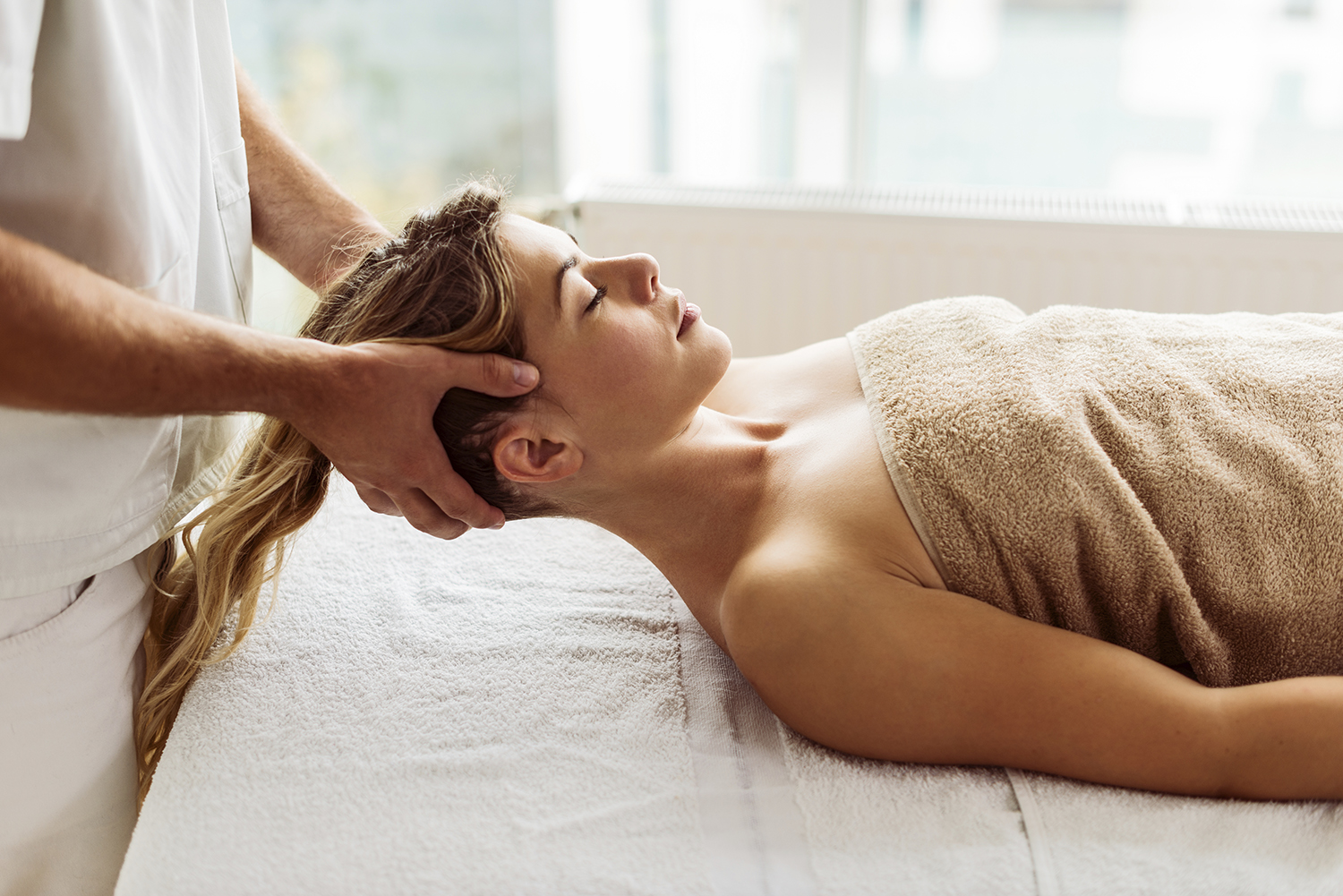
If you’re among the 45 million North Americans who suffer from chronic headaches, you’re not alone in seeking natural alternatives to traditional pain medications. With massage therapy experiencing unprecedented growth as part of 2025’s wellness trends, particularly personalized treatments tailored to individual needs, more Canadians are discovering that regular head massages offer significant relief for both chronic headaches and migraines.
The Science Behind Head Massage for Headache Relief
Recent clinical research provides compelling evidence that massage therapy can be a functional, non-pharmacological intervention for reducing chronic headaches. Studies published in prestigious medical journals demonstrate measurable improvements in both headache frequency and intensity following structured massage treatments.
Clinical Evidence: What the Research Shows
Research from the National Center for Biotechnology Information found that headache frequency was significantly reduced within the first week of massage protocols, with reductions continuing throughout treatment periods. Even more encouraging, a 2015 study targeting myofascial trigger points in the upper neck and back of the head using trigger point release massage found a reduction in headache frequency and intensity.
The most comprehensive study on chronic tension headaches revealed remarkable results: compared with baseline values, headache frequency was significantly reduced within the first week of the massage protocol, with the reduction continuing for the remainder of the study (P = .009).
Understanding Different Types of Headaches
Not all headaches are created equal, and understanding your specific type is crucial for effective treatment:
Tension-Type Headaches
This is the most common type of headache and is often caused by stress, muscle tension, fatigue, eye strain, or poor posture. These headaches typically present as mild-to-moderate head pain on both sides of the head, lasting 30 minutes to several hours.
Migraines
Migraines involve moderate-to-severe head and neck pain that lasts four to 72 hours, and are followed by fatigue and stiffness. They often include additional symptoms like nausea, light sensitivity, and visual disturbances.
Chronic Daily Headaches
Chronic tension-type headaches (CTTH) occur more than 15 headache-affected days per month for over 3 months and can cause considerable pain and disability.
How Head Massage Provides Relief
Professional head massage addresses headaches through multiple mechanisms:
Muscle Tension Release
Massage helps release tension in the muscles of the head, neck, and shoulders, reducing the intensity and frequency of tension headache attacks. Many headaches originate from sustained muscle contractions in the neck and head region.
Improved Circulation
By increasing blood flow, massage promotes oxygen and nutrient delivery to the brain, which can help alleviate migraine symptoms. This enhanced circulation helps address vascular components of headache pain.
Stress Reduction
Massage therapy promotes relaxation and reduces stress levels, which are contributing factors for both tension and migraine headache attacks. Research shows massage participants exhibited greater improvements in migraine frequency and sleep quality, with massage inducing decreases in state anxiety, heart rate, and cortisol.
Trigger Point Deactivation
Trigger point massage addresses problems in skeletal muscle that refer pain to the head. When you “release” those muscles, chronic headaches ease up. This targeted approach is particularly effective for chronic sufferers.
Professional Massage Techniques That Work
Deep Tissue Massage
Deep-tissue massage can relax strained muscles that may be the root cause of headache pain, using firm pressure accompanied by slow strokes to massage deeper muscle layers. This technique addresses underlying muscle tension that contributes to chronic headache patterns.
Neuromuscular Therapy
Trigger Point Therapy and Neuromuscular Therapy can help decrease the pain and referrals into the neck and head, while quieting down a stressed nervous system overall can bring strong relief.
Craniosacral Therapy
Craniosacral massage provides gentle manipulation of the skull and spine to promote relaxation, relieve pressure, and improve headache symptoms.
Myofascial Release
Myofascial release focuses on releasing tension in the fascia (connective tissue) to improve range of motion and reduce headache frequency.
The Head Spa Advantage for Chronic Headaches
Modern head spa treatments combine traditional massage techniques with advanced therapeutic approaches. Specialized scalp-jawline-face massages can be added to regular sessions, providing targeted relief for headache sufferers.
Professional head spa treatments address the complex muscle patterns involved in chronic headaches, including:
- Suboccipital muscles
- Temporalis and masseter muscles
- Sternocleidomastoid and scalene muscles
- Upper trapezius and cervical muscles
Frequency and Effectiveness: What to Expect
Treatment Timeline
Studies show headache frequency can be significantly reduced within the first week of massage protocols. Most research indicates that regular treatments over 4-6 weeks provide optimal results.
Long-term Benefits
Four weeks after treatment completion, patients reported headaches continuing to decrease, with some experiencing no bothersome headaches or no headaches at all. This suggests that massage therapy provides lasting benefits beyond the treatment period.
Success Rates
Clinical research published in the Journal of Headache and Pain revealed that massage therapy had a significant effect on pain intensity, reducing it by 71%. Another study found massage effective in treating chronic tension headaches specifically.
Self-Care Techniques for Canadians
While professional treatment provides optimal results, simple self-massage techniques can offer immediate relief:
Temple Massage
For tension headaches, place your fingers flat against your temples and slowly move them in a circular fashion.
Pressure Point Relief
For cluster headaches, pinching the bridge of your nose and slowly along the eyebrow line helps reduce tension around the eyes and sinuses.
Jaw Tension Release
For stress-induced headaches, circular movements with your fingertips from the cheekbone down towards your jaw can ease tension from feeling stressed and clenching teeth.
The Canadian Healthcare Perspective
Statistics show that one out of every six Americans suffers from chronic headaches—roughly 45 million sufferers every year, with more than $1 billion spent on over-the-counter medications annually. Canadian statistics mirror these concerning trends, making natural alternatives increasingly important.
While massage therapy isn’t part of the official treatment recommendations from the American Headache Society, as the science is still evolving, there is promising research showing massage therapy is beneficial in relieving common headache triggers.
Integrating Head Massage with Medical Care
Head massage works best as part of a comprehensive headache management strategy. Individuals with chronic headaches should consult their healthcare professionals for a comprehensive assessment and personalized advice on managing their condition.
When to Seek Professional Care
Consider professional head spa treatments if you experience:
- Headaches more than 15 days per month
- Increasing headache intensity or frequency
- Headaches that interfere with daily activities
- Limited response to traditional treatments
Finding Qualified Practitioners in Canada
Before booking a massage, ask if the therapist has taken continuing education courses on massage for migraines, which offer education about appropriate types of massage to ease headache pain. Look for practitioners with:
- Specialized training in headache and migraine massage
- Experience with neuromuscular and trigger point therapy
- Understanding of craniosacral techniques
- Certification in therapeutic massage
The Future of Headache Treatment
The era of one-size-fits-all massages is a thing of the past. Today, massage therapy is highly personalized, with therapists creating client treatment plans tailored to address individual health concerns and goals. This personalized approach is particularly beneficial for chronic headache sufferers who often have unique trigger patterns and pain presentations.
Conclusion: A Natural Path to Relief
The evidence is clear: regular head massages can significantly reduce both the frequency and intensity of chronic headaches and migraines. With research providing preliminary support for the utility of massage therapy as a non-pharmacological treatment for individuals suffering from migraines, more Canadians are discovering this natural alternative to traditional pain management.
Whether you’re dealing with weekly tension headaches or chronic migraines, professional head spa treatments offer a scientifically-supported, medication-free approach to relief. As Canada’s wellness industry continues to embrace personalized, holistic treatments, head massage stands out as an effective intervention that addresses both the physical and stress-related components of chronic headache conditions.
Ready to experience natural headache relief through professional head spa therapy? Book your consultation today and discover why thousands of Canadians are choosing massage therapy as their preferred approach to chronic headache management.
References and Further Reading:
- Mayo Clinic: Massage Therapy Benefits
- Canadian Pain Society: Headache Management Guidelines
- National Center for Biotechnology Information: Massage and Chronic Headaches
- Wikipedia: Tension Headache