 Fall Special Offer

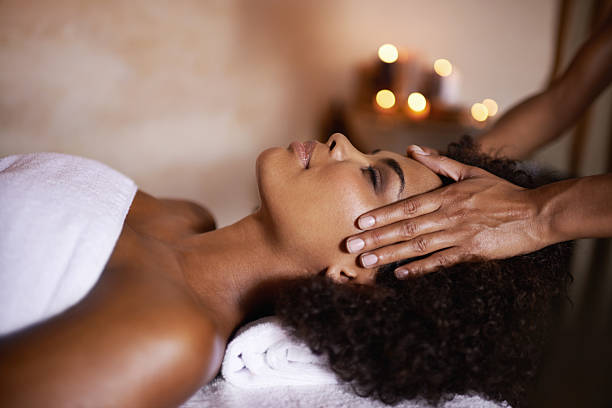
Revolutionary Complementary Approach to Carpal Tunnel Recovery
Carpal tunnel syndrome affects approximately 3% of adults in North America, causing debilitating pain, numbness, and tingling that significantly impacts daily life and work productivity. While traditional treatments focus primarily on the affected wrist and hand, innovative complementary therapies are emerging that address the systemic factors contributing to nerve dysfunction and inflammation.
Bottom Line Up Front: Complementary head and foot massage therapy offers Toronto residents a natural, non-invasive approach to carpal tunnel syndrome treatment that addresses systemic circulation, stress reduction, and nerve function while supporting conventional medical care for comprehensive recovery.
Understanding Carpal Tunnel Syndrome: Beyond the Wrist
The Complexity of Nerve Compression
Carpal tunnel syndrome occurs when the median nerve, which runs from your forearm, through your wrist, into the palm of your hand, becomes pressed or squeezed at the wrist. However, recent research reveals that the condition often involves more than just local compression.
The median nerve helps you move your forearm and gives feeling to most of your fingers and hands. When compressed, it can send extra or incorrect feelings to your hand and wrist, resulting in:
- Numbness and tingling in thumb, index, middle, and ring fingers
- Pain that may radiate up the arm
- Weakness in grip strength
- Difficulty with fine motor tasks like typing or writing
- Night-time symptoms that disrupt sleep
Systemic Factors in Carpal Tunnel Development
Women are three times more likely than men to develop carpal tunnel syndrome, as the carpal tunnel itself is smaller in women than in men. Additionally, systemic factors that contribute to nerve compression include:
Inflammation and Circulation Issues: Swelling and inflammation could result from poor circulation, hormonal changes, or systemic inflammatory conditions.
Stress and Tension Patterns: Chronic stress contributes to muscle tension throughout the body, including the neck, shoulders, and arms, which can affect nerve pathways.
Postural Imbalances: Slouching with your head flexed and rounded shoulders can put more stress on the nerves in the neck, which can ultimately affect carpal tunnel syndrome.
The Science Behind Complementary Head and Foot Therapy
Head Massage for Nerve Function and Circulation
Head spa therapy at Fans Head Spa addresses carpal tunnel syndrome through multiple mechanisms that support overall nerve health and circulation:
Enhanced Circulation to Upper Extremities: We stimulate acupressure points using essential oils such as lavender and coconut, enhancing circulation and relieving tension. Improved circulation ensures better nutrient delivery to affected nerves and facilitates healing.
Stress Reduction and Nervous System Reset: The experience continues with a shoulder and neck massage, easing built-up stress and tension. This comprehensive approach helps activate the parasympathetic nervous system, reducing cortisol levels that contribute to inflammation.
Cervical Spine Alignment Support: At the core of HeadSpa Toronto’s offerings is their signature head massage therapy—a specialized treatment that targets key pressure points that release tension throughout the entire body. Proper cervical alignment is crucial as nerve pathways from the neck contribute to hand and wrist function.
Reflexology and Foot Massage for Systemic Support
Foot massage therapy provides complementary benefits for carpal tunnel syndrome through reflexology principles and systemic circulation enhancement:
Reflexology Points for Hand and Wrist: Reflexology can help provide relief for the symptoms associated with carpal tunnel syndrome by unlocking the joints in the wrists and reducing the pressure on the median nerve to help it move freely.
Lymphatic Drainage and Inflammation Reduction: Specialized foot massage techniques promote lymphatic drainage, helping reduce systemic inflammation that may contribute to nerve compression.
Nervous System Balance: Foot reflexology activates specific points that correspond to nerve pathways throughout the body, helping restore balance to the nervous system and supporting natural healing processes.
Evidence-Based Complementary Approaches
Research Supporting Massage Therapy for Carpal Tunnel
Recent clinical studies demonstrate the effectiveness of massage therapy as a complementary treatment for carpal tunnel syndrome:
A 2013 trial involving 21 people found that 30 minutes of massage twice a week for 6 weeks effectively reduced symptoms and improved wrist function in people with carpal tunnel syndrome. The results demonstrated significant (p < 0.001) change in symptom severity and functional status from two weeks.
A larger study with 80 patients found that combining massage with traditional splinting therapy produced significantly better outcomes than splinting alone, with improved pain scores and grip strength.
Mechanisms of Action in Complementary Therapy
Myofascial release involves the kneading of tissues to break up adhesions (stuck-together tissues) in the wrist and forearms. By doing so, pain may be relieved while grip strength, range of motion, and functional hand use may be improved.
Complementary head and foot therapy works through several mechanisms:
Trigger Point Release: Trigger points associated with carpal tunnel syndrome are located on three parts of the arm: Four centimeters below the crease of the elbow on the top of the forearm, four centimeters above the crease of the wrist on the underside of the forearm, and two centimeters below the crease of the wrist at the base of the thumb.
Systemic Circulation Improvement: Enhanced blood flow throughout the body supports healing of compressed nerves and reduces inflammation.
Stress Hormone Regulation: Regular massage therapy helps normalize cortisol levels, reducing systemic inflammation that can exacerbate nerve compression.
Specialized Treatment Protocols at Fans Head Spa
Comprehensive 60-Minute Carpal Tunnel Support Session
Fans Head Spa offers specialized treatment protocols designed to complement conventional carpal tunnel therapy:
Phase 1: Cervical and Upper Body Assessment (10 minutes)
- Evaluation of posture and tension patterns
- Assessment of cervical spine alignment
- Identification of trigger points in neck and shoulders
Phase 2: Head and Scalp Therapy (25 minutes)
- Japanese head spa techniques to improve circulation
- Acupressure point stimulation for nerve function
- Essential oil therapy with anti-inflammatory properties
- Micro mist technology for deep tissue penetration
Phase 3: Neck and Shoulder Integration (15 minutes)
- Targeted massage to address postural contributors
- Trigger point therapy for upper extremity tension
- Lymphatic drainage techniques
Phase 4: Reflexology Foot Treatment (10 minutes)
- Stimulation of hand and wrist reflex points
- Systemic circulation enhancement
- Nervous system balancing techniques
Advanced Therapeutic Techniques
Japanese Micro Mist Technology: We incorporate a gentle scalp scraping technique, followed by a deep-cleansing and nourishing shampoo to refresh your scalp and hair. This technology promotes circulation and may help reduce systemic inflammation.
Essential Oil Therapy: Lavender and coconut oils provide anti-inflammatory properties while promoting relaxation and stress reduction, both crucial for carpal tunnel recovery.
Craniosacral Integration: HeadSpa Toronto’s specialized scalp treatments incorporate findings from recent trichology research, including techniques that may influence the craniosacral system and its relationship to peripheral nerve function.
Integration with Conventional Medical Care
Working Alongside Medical Treatment
Complementary head and foot therapy works best when integrated with conventional medical care. The first-line medical treatment for CTS is often wearing a wrist splint at night. If the symptoms do not lessen in 1 to 2 months, though, a doctor may suggest corticosteroid injections too.
Our complementary approach supports medical treatment by:
Enhancing Treatment Efficacy: Improved circulation and reduced stress can make conventional treatments more effective.
Reducing Side Effects: Natural stress reduction and pain management may reduce reliance on pain medications.
Supporting Recovery: Better sleep quality and reduced systemic tension support the body’s natural healing processes.
Preventing Recurrence: Addressing systemic factors helps prevent future episodes of nerve compression.
Safety Considerations and Contraindications
If carpal tunnel is acute (meaning it hurts or it’s active now) you won’t want to work on the area directly. Be very careful with any nerve impingement because nerves do not like to be irritated.
Important safety considerations include:
- Avoiding direct pressure on inflamed or acute areas
- Coordinating with healthcare providers about treatment timing
- Monitoring symptoms and adjusting techniques accordingly
- Understanding when to refer to medical specialists
Lifestyle Integration and Self-Care Support
Ergonomic and Postural Guidance
Toronto’s head spa specialists provide education on factors that may contribute to carpal tunnel syndrome:
Workstation Setup: Guidance on proper keyboard positioning and ergonomic adjustments to reduce strain on the median nerve.
Postural Awareness: Education about how head and neck position affects nerve pathways to the hands and wrists.
Stress Management: Techniques for managing the urban stress that contributes to muscle tension and inflammation.
Home Care Recommendations
Using a brace designed for carpal tunnel syndrome or taping the wrist is an easy and effective way to help manage your carpal tunnel. The brace is simple to use, and once you put it on, you will have limited range of motion in the wrist.
Between professional treatments, patients can support their recovery through:
Sleep Positioning: Proper wrist positioning during sleep to prevent nighttime nerve compression.
Gentle Exercises: Gliding exercise of the median nerve helps to break up any adhesions to the nerve without stressing it.
Self-Massage Techniques: Safe methods for maintaining circulation and reducing tension between appointments.
Stress Reduction Practices: Meditation and breathing techniques that support the nervous system.
Toronto-Specific Considerations
Urban Lifestyle Factors
Toronto residents face unique challenges that may contribute to carpal tunnel syndrome:
Extended Computer Use: The prevalence of technology-based work in Toronto increases risk factors for repetitive strain injuries.
Commuting Stress: Long commutes and traffic contribute to systemic stress and poor posture that can affect nerve function.
Climate Considerations: Toronto’s cold winters can affect circulation and increase muscle tension, potentially exacerbating symptoms.
Accessibility and Convenience
HeadSpa Toronto has structured their services to fit seamlessly into busy schedules with extended evening hours, express treatment options, and efficient booking systems that respect clients’ time constraints.
Convenient Booking: Schedule your complementary carpal tunnel support session to begin your journey toward natural pain management and functional improvement.
Flexible Scheduling: Treatments can be scheduled around work and medical appointments for seamless integration with conventional care.
Multiple Locations: Accessibility throughout the Toronto area makes regular treatment feasible for busy professionals.
Treatment Outcomes and Timeline
Expected Benefits and Timeline
Patients typically experience benefits from complementary head and foot therapy within different timeframes:
Immediate Effects (First Session):
- Reduced muscle tension in neck and shoulders
- Improved circulation and warmth in hands
- Temporary pain relief and relaxation
- Enhanced mood and stress reduction
Progressive Benefits (2-4 weeks):
- Improved sleep quality
- Reduced frequency of nighttime symptoms
- Better stress tolerance and management
- Enhanced effectiveness of conventional treatments
Long-term Outcomes (2-3 months):
- Sustained improvement in symptoms
- Better posture and ergonomic awareness
- Reduced reliance on pain medications
- Improved quality of life and function
Treatment Frequency Recommendations
Your physical therapist may recommend massage every day for three to four weeks as part of a treatment plan for carpal tunnel syndrome.
For optimal results with complementary therapy:
Acute Phase: 2-3 treatments per week for the first month to address inflammation and pain Recovery Phase: Weekly treatments for 2-3 months to support healing and prevent recurrence Maintenance Phase: Bi-weekly or monthly treatments for ongoing prevention and wellness
Cost-Effective Approach to Comprehensive Care
Value of Preventive and Complementary Treatment
Each surgical procedure costs approximately $60,000 as compared to $5000 for conservative treatment, and is second only to lumbar disc replacement in terms of total cost.
Complementary head and foot therapy represents an investment in preventive care that may:
- Reduce the need for invasive procedures
- Enhance the effectiveness of conservative medical treatments
- Improve quality of life during recovery
- Prevent symptom recurrence
Transparent Pricing at Fans Head Spa
Regular Treatment Sessions: $79/hour Midweek Specials: $65/hour (Tuesday & Wednesday) Weekend Rates: $75/hour (Friday-Sunday & Holidays)
Many insurance plans now recognize massage therapy for stress-related and musculoskeletal conditions, making treatment more accessible for Toronto residents.
Advanced Research and Future Directions
Emerging Understanding of Nerve Health
Recent research continues to validate the systemic approach to carpal tunnel treatment:
A 2022 systematic review suggests that manual therapy, which included massage and other treatments, effectively reduced pain intensity and improved function in people with carpal tunnel syndrome.
Future research directions include:
- Investigation of optimal treatment combinations
- Personalized therapy based on individual risk factors
- Long-term prevention strategies
- Integration with digital health monitoring
Innovation in Complementary Care
HeadSpa Toronto continues to integrate current research into their therapeutic approaches, ensuring that treatments remain evidence-based and effective for Toronto’s unique urban environment.
When to Seek Professional Help
Red Flags and Medical Urgency
Visit a healthcare provider if you’re experiencing pain, numbness or tingling in your hands and wrists. Carpal tunnel syndrome usually responds well to treatment, but it can permanently damage your median nerve if it’s not treated soon enough.
Important warning signs that require immediate medical attention:
- Severe pain that interferes with sleep
- Persistent numbness or tingling
- Weakness in grip or fine motor control
- Symptoms that worsen despite treatment
- Loss of sensation in fingers
Coordinated Care Approach
Complementary therapy works best as part of a coordinated care team that may include:
- Primary care physicians
- Neurologists or hand specialists
- Physical therapists
- Occupational therapists
- Massage therapists and reflexologists
Taking Action: Your Path to Recovery
Carpal tunnel syndrome doesn’t have to limit your quality of life or productivity. Through innovative complementary head and foot therapy available in Toronto, patients have access to natural, effective treatments that support conventional medical care and address the whole-body factors contributing to nerve compression.
Ready to explore complementary carpal tunnel treatment?
Book your comprehensive assessment and treatment session today and discover how specialized head and foot massage therapy can support your recovery journey.
Call (905) 470-6338 to speak with our certified therapists about developing a personalized treatment plan that complements your medical care and addresses your unique needs.
Supporting Your Comprehensive Recovery
Remember that carpal tunnel syndrome recovery is most successful when it addresses both local symptoms and systemic contributing factors. The combination of specialized complementary therapy, appropriate medical care, and lifestyle modifications offers the best chance for lasting improvement and prevention of recurrence.
External Resources: