 Fall Special Offer

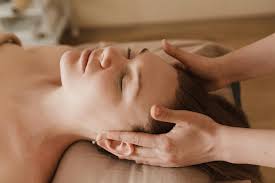
Central Centrifugal Cicatricial Alopecia (CCCA) affects up to 5.7% of women of African descent, making it the most common form of scarring hair loss in this population. At Head Spa Toronto, we’re pioneering advanced therapeutic treatments specifically designed to address CCCA and support ethnic hair restoration through evidence-based scalp therapy and specialized head massage techniques.
Understanding Central Centrifugal Cicatricial Alopecia
Central centrifugal cicatricial alopecia (CCCA) is a common and progressive form of lymphocyte predominant scarring alopecia which impacts negatively on the quality of life of those affected. It is seen more commonly in women of African descent with prevalence ranging from 2.7% to 5.7%.
What Makes CCCA Unique
CCCA is a lymphocytic scarring alopecia that presents distinct challenges for individuals with ethnic hair. Hair loss starts on the scalp vertex and progresses outward in a centrifugal and symmetric pattern, creating the characteristic circular pattern of permanent hair loss that gives the condition its name.
Key Characteristics of CCCA:
- Progressive hair loss beginning at the crown (vertex) of the scalp
- Centrifugal expansion – spreading outward in all directions
- Scarring nature – resulting in permanent follicle destruction if untreated
- Ethnic predisposition – primarily affecting those of African descent
- Inflammatory component – causing burning, itching, or tingling sensations
The Hidden Impact on Quality of Life
The emotional and social impact of CCCA extends far beyond cosmetic concerns. Many individuals experience:
- Social isolation due to visible hair loss patterns
- Reduced self-confidence affecting professional and personal relationships
- Anxiety and depression stemming from progressive nature of the condition
- Financial burden from attempting ineffective treatments
- Cultural identity challenges related to hair and beauty standards
The Science Behind CCCA: Recent Breakthrough Research
Genetic Discoveries and Treatment Implications
Some families have an autosomal dominant genetic defect in the inner root sheath. Mutations in the PADI3 (peptidyl arginine deiminase type III) gene were recently described in ~30% of a small cohort of women with central centrifugal cicatricial alopecia, providing crucial insights into the condition’s underlying mechanisms.
Microbiome Research Advances
CCCA is characterized by a distinct bacterial microbiome community and high relative abundances of Corynebacterium. Future studies should characterize the relationship between Corynebacterium and scalp inflammation and the role it may play in the progression of CCCA.
This groundbreaking research informs our therapeutic approach at Head Spa Toronto, where we address both the inflammatory and microbial aspects of CCCA through targeted scalp treatments.
Revolutionary Head Spa Therapy for CCCA Management
Our Comprehensive Treatment Philosophy
At Head Spa Toronto, our approach to CCCA management combines traditional Japanese head spa techniques with cutting-edge trichology science. Our 10 years of experience in scalp therapy has enabled us to develop specialized protocols for ethnic hair concerns, particularly focusing on the unique needs of CCCA-affected scalps.
Advanced Therapeutic Modalities
1. Microbiome Restoration Therapy Based on recent research revealing distinct bacterial microbiome communities in CCCA, our treatments focus on:
- Probiotic scalp applications to restore healthy bacterial balance
- Anti-inflammatory protocols to reduce Corynebacterium overgrowth
- pH balancing treatments to optimize scalp environment
2. Circulation Enhancement Protocols Our specialized head massage techniques target:
- Improved blood circulation to affected follicles
- Lymphatic drainage to reduce inflammatory buildup
- Stress reduction through therapeutic touch therapy
- Tension relief addressing mechanical stress factors
3. Professional Scalp Analysis Using advanced trichology assessment methods:
- High-magnification scalp examination
- Follicle health evaluation
- Inflammation pattern mapping
- Progress tracking through photographic documentation
Evidence-Based Treatment Protocols
Multi-Phase Therapeutic Approach
Phase 1: Inflammation Control (Weeks 1-8)
- Deep cleansing protocols to remove inflammatory debris
- Anti-inflammatory scalp treatments using botanical extracts
- Gentle exfoliation to address follicular plugging
- Soothing massage therapy to reduce scalp tension
Phase 2: Microenvironment Restoration (Weeks 9-16)
- Microbiome rebalancing through targeted probiotic treatments
- Growth factor application to stimulate dormant follicles
- LED light therapy for cellular regeneration
- Nutritional scalp treatments to optimize follicle health
Phase 3: Maintenance and Prevention (Ongoing)
- Monthly assessment and treatment adjustments
- Home care protocol development
- Lifestyle modification guidance
- Long-term monitoring for disease progression
Integration with Medical Treatment
Our spa treatments complement medical interventions recommended by dermatologists and trichologists:
Compatible Medical Treatments:
- Topical corticosteroids for inflammation reduction
- Intralesional steroid injections for active disease
- Systemic anti-inflammatory medications as prescribed
- JAK inhibitors like baricitinib for advanced cases
Hair regrowth in a patient with central centrifugal cicatricial alopecia after a 2-month trial of baricitinib demonstrates the potential for regrowth when appropriate interventions are implemented early.
Specialized Techniques for Ethnic Hair Care
Understanding Ethnic Hair Vulnerabilities
Structural Differences:
- Curved follicle shape creating increased fragility
- Lower density of hair follicles compared to other hair types
- Higher susceptibility to chemical and mechanical damage
- Unique sebum distribution patterns affecting scalp health
Culturally Sensitive Treatment Approaches
Addressing Hair Care Practices:
- Education about protective styling to reduce traction
- Chemical treatment assessment and modification recommendations
- Heat styling consultation for damage minimization
- Product selection guidance for optimal scalp health
Controversial but traumatic hair styling (e.g., tight braids, weaves and use of heat or chemical relaxants) may play a role in CCCA development, making education and prevention crucial components of our treatment approach.
The Head Spa Difference: Japanese Precision Meets Medical Science
Traditional Japanese Scalp Therapy Principles
Our treatments incorporate time-tested Japanese principles:
Holistic Wellness Approach:
- Mind-body-scalp connection recognition
- Stress reduction as treatment foundation
- Ritualistic care for psychological healing
- Long-term relationship building with clients
Precision Technique Application:
- Detailed scalp mapping and analysis
- Customized pressure point stimulation
- Progressive treatment intensity adjustment
- Meticulous progress documentation
Modern Scientific Integration
Advanced Equipment and Techniques:
- Trichoscopy imaging for detailed follicle assessment
- LED phototherapy for cellular stimulation
- Ultrasonic scalp cleansing for deep purification
- Ozone therapy for antimicrobial treatment
Client Success Stories and Outcomes
Measurable Results Through Professional Care
Documented Improvements Include:
- Reduced inflammation visible within 4-6 weeks
- Decreased symptoms of burning, itching, and tenderness
- Slowed progression of hair loss in active cases
- Improved hair quality in non-scarred areas
- Enhanced psychological well-being through supportive care
Long-Term Management Success
Maintenance Program Benefits:
- Regular monitoring for early intervention
- Lifestyle adaptation support
- Product recommendation updates
- Technique refinement based on response patterns
Atypical CCCA: Recognizing Diverse Presentations
Beyond Classic Patterns
About 70% patients had the classic appearance of hair loss in the central portion of the scalp expanding in centrifugal fashion, but nearly one third did not.
Atypical Presentations May Include:
- Patchy hair loss in occipital, parietal, or frontal areas
- Androgenetic alopecia-like patterns
- Diffuse thinning without clear central focus
- Mixed pattern presentations combining multiple hair loss types
Importance of Professional Assessment
“CCCA is a progressive disease, so we do not want to miss or delay the diagnosis. We want to start therapy as quickly as possible”, emphasizing the critical importance of early professional evaluation and intervention.
Comprehensive Care Integration
Multidisciplinary Approach
Professional Network Collaboration:
- Dermatologists for medical diagnosis and prescription treatments
- Trichologists for specialized hair and scalp assessment
- Mental health professionals for psychological support
- Nutritionists for dietary optimization
Community Resource Connection
Toronto-Area Specialists:
- Hair loss clinics offering medical evaluation
- Cultural hair care professionals understanding ethnic hair needs
- Support groups for emotional and practical assistance
- Educational workshops for family and caregiver understanding
Preventive Strategies and Lifestyle Modifications
Hair Care Practice Optimization
Protective Styling Guidelines:
- Loose, low-tension hairstyles to reduce mechanical stress
- Regular shampooing (weekly to bi-weekly) for scalp health
- Chemical-free periods to allow follicle recovery
- Heat minimization through air-drying when possible
Environmental and Nutritional Support
Holistic Health Optimization:
- Stress management through relaxation techniques
- Anti-inflammatory diet emphasizing omega-3 fatty acids
- Adequate hydration for optimal scalp health
- Sleep quality improvement for healing support
Advanced Treatment Technologies
Cutting-Edge Therapeutic Modalities
LED Light Therapy:
- Red light (660-670nm) for circulation enhancement
- Blue light (415nm) for antimicrobial effects
- Near-infrared (810-830nm) for deep tissue penetration
- Combination protocols for synergistic benefits
Microsonic Therapy:
- Ultrasonic vibration for enhanced product penetration
- Mechanical stimulation of dormant follicles
- Improved circulation through targeted vibration
- Pain-free application suitable for sensitive scalps
Emerging Treatment Possibilities
Research-Backed Innovations:
- Exosome therapy for cellular regeneration
- Platelet-rich plasma applications
- Stem cell treatment protocols
- Topical growth factors for follicle stimulation
The Toronto Advantage: Why Location Matters
Multicultural Healthcare Excellence
Toronto’s diverse healthcare landscape provides unique advantages for CCCA treatment:
Cultural Competency:
- Diverse practitioner backgrounds understanding ethnic hair needs
- Multilingual services for community accessibility
- Cultural sensitivity in treatment approach
- Community support networks for comprehensive care
Access to Advanced Resources
Research and Innovation Hub:
- University-affiliated research facilities
- Clinical trial participation opportunities
- Continuing education for practitioners
- International collaboration with leading experts
Getting Started: Your Path to Scalp Health
Comprehensive Initial Assessment
Book your consultation today for a thorough evaluation including:
Detailed History Taking:
- Hair care practice assessment
- Family history evaluation
- Symptom pattern analysis
- Previous treatment review
Professional Examination:
- Scalp condition assessment
- Hair quality evaluation
- Inflammation pattern mapping
- Photographic documentation
Customized Treatment Planning:
- Individual protocol development
- Timeline establishment
- Progress milestone setting
- Home care recommendation
Treatment Investment and Accessibility
Head Spa Toronto Pricing:
- Regular sessions: $79/hour
- Tuesday & Wednesday special: $65/hour
- Weekend sessions: $75/hour (Friday-Sunday & Holidays)
Contact Information:
- Phone: (905) 470-6338
- Location: Mississauga, serving Greater Toronto Area
- Online booking: Available through our website
Insurance and Coverage Options
Many extended health plans may provide coverage for trichology treatments under alternative therapy benefits. We recommend:
- Checking benefit coverage with your insurance provider
- Obtaining referrals from healthcare providers when possible
- Exploring health spending accounts for treatment funding
- Discussing payment plans for comprehensive care packages
Home Care and Self-Management
Daily Scalp Care Routine
Morning Protocol:
- Gentle scalp massage using fingertips
- Protective styling with minimal tension
- Stress reduction techniques before starting the day
- Nutritional supplements as recommended
Evening Routine:
- Scalp cleansing with appropriate products
- Moisturizing treatments for dry scalp areas
- Relaxation practices to reduce cortisol levels
- Sleep preparation for optimal healing
Product Selection Guidelines
Recommended Ingredients:
- Anti-inflammatory botanicals (aloe vera, chamomile)
- Gentle cleansing agents avoiding sulfates
- Moisturizing components (hyaluronic acid, ceramides)
- Growth-supporting peptides for follicle health
Ingredients to Avoid:
- Heavy oils that may clog follicles
- Harsh chemicals causing additional inflammation
- High-alcohol products leading to excessive drying
- Artificial fragrances potentially triggering sensitivity
Research and Future Directions
Emerging Treatment Modalities
JAK Inhibitor Research: Higher doses of doxycycline caused intolerable gastrointestinal symptoms. Two years after the initial presentation, the symptoms of inflammation returned despite treatment adherence. Off-label use of baricitinib 4 mg was initiated and showed promising results, indicating new pharmaceutical approaches for CCCA management.
Microbiome Therapeutic Development: Future studies should characterize the relationship between Corynebacterium and scalp inflammation and the role it may play in the progression of CCCA, suggesting targeted probiotic treatments may become standard care.
Ongoing Clinical Investigations
Current Research Focus Areas:
- Genetic therapy targeting PADI3 mutations
- Personalized medicine based on genetic profiles
- Combination therapy protocols
- Prevention strategies for at-risk individuals
Support and Education Resources
Professional Organizations and Information
Authoritative Resources:
- Scarring Alopecia Foundation for patient education and support
- International Association of Trichologists for practitioner standards
- American Hair Loss Association for research updates
- National Alopecia Areata Foundation for community support
Local Toronto Support Networks
Community Resources:
- Multicultural hair care support groups
- Educational workshops on ethnic hair care
- Healthcare provider directories specializing in hair loss
- Insurance navigation assistance for treatment coverage
Prevention: The Key to Long-Term Success
Early Intervention Strategies
Risk Factor Identification:
- Family history assessment for genetic predisposition
- Hair care practice evaluation for trauma reduction
- Stress level management for inflammation control
- Regular scalp monitoring for early detection
Community Education Initiatives
Awareness Building:
- Educational outreach to hair stylists and beauticians
- Community health fair participation
- Social media education campaigns
- Healthcare provider training programs
Quality of Life Enhancement
Psychological Support Integration
Mental Health Considerations:
- Body image counseling for adaptation support
- Anxiety management techniques
- Depression screening and treatment
- Social skills training for confidence building
Cosmetic Solutions and Camouflage
Appearance Enhancement Options:
- Scalp micropigmentation for density illusion
- High-quality wigs and hair pieces
- Creative styling techniques for coverage
- Makeup applications for scalp camouflage
Conclusion: Empowering Your Journey to Scalp Health
Central Centrifugal Cicatricial Alopecia presents unique challenges, but with proper understanding, early intervention, and comprehensive care, its progression can be significantly slowed or halted. At Head Spa Toronto, we combine the precision of Japanese scalp therapy with cutting-edge medical knowledge to provide hope and healing for those affected by this condition.
Your journey to scalp health begins with a single step. Whether you’re experiencing early symptoms or have been managing CCCA for years, our specialized treatments offer new possibilities for improvement and long-term management.
Schedule your comprehensive consultation today and discover how professional head spa therapy can transform your relationship with your scalp and hair. Our experienced team is ready to provide the culturally sensitive, scientifically informed care you deserve.
Don’t let CCCA define your confidence or limit your possibilities. With proper care, support, and treatment, you can take control of your scalp health and embrace a future of renewed confidence and well-being.