 Fall Special Offer

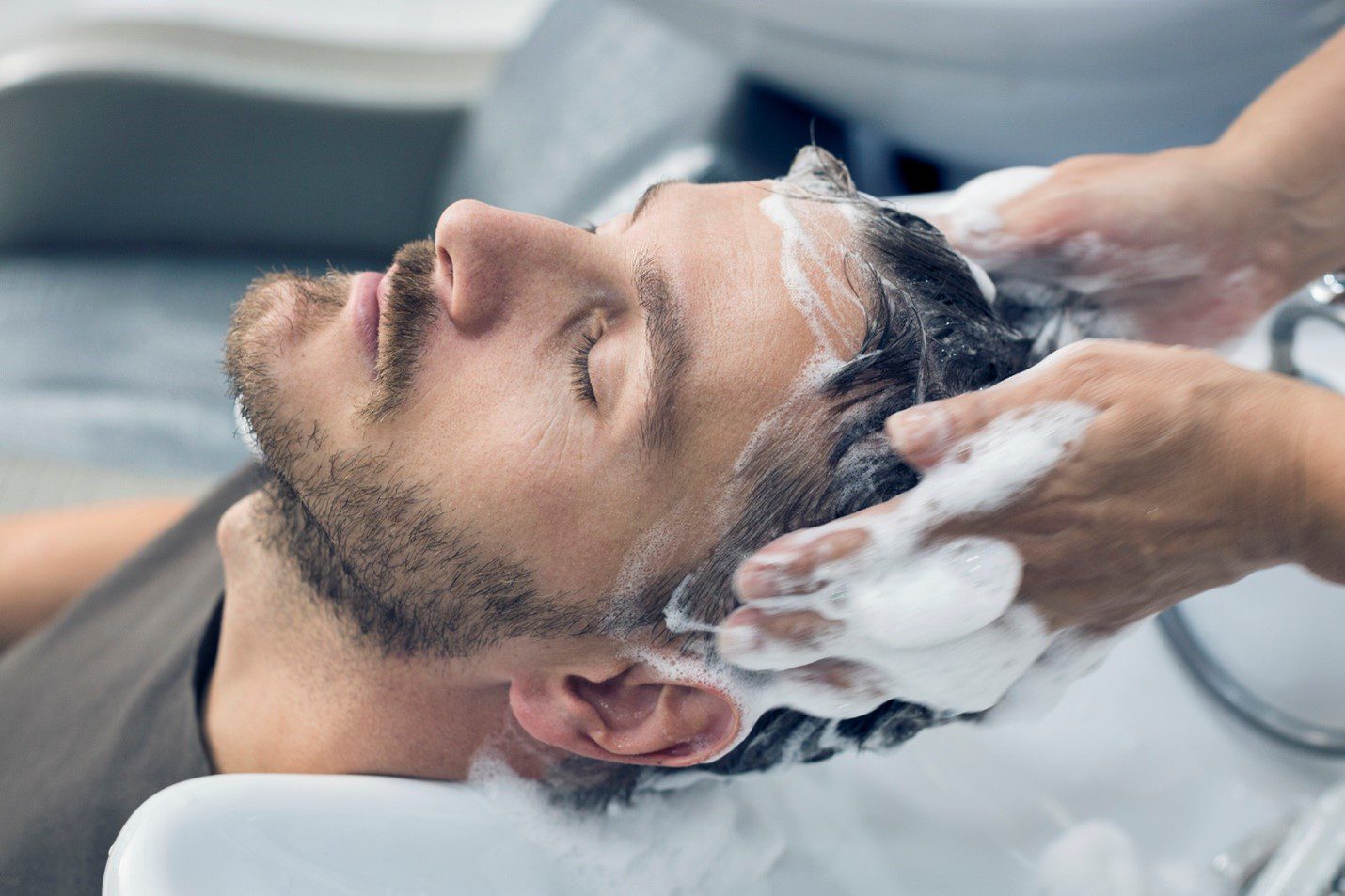
Facing cancer treatment brings numerous challenges, with chemotherapy side effects often being among the most difficult to endure. Nausea and vomiting are the most common and unpleasant side effects of chemotherapy, and they may prevent successful treatment completion. While anti-nausea medications remain essential, they cannot control nausea and vomiting completely and often have numerous side effects of their own. At Fans Head Spa, with our 10 years of experience in Japanese head spa techniques, we provide specialized oncology massage therapy designed to offer relief from chemotherapy-induced symptoms while supporting your overall well-being throughout your cancer journey.
Understanding Chemotherapy Side Effects and Their Impact
The Reality of Cancer Treatment Challenges
In 2024, roughly 2 million people will be diagnosed with cancer in the United States, but the good news is, more people are surviving the disease than ever before. Traditional treatments like surgery, radiation, and chemotherapy have had great success, but sometimes with debilitating side effects that significantly impact quality of life during and after treatment.
Chemotherapy is typically an aggressive treatment that can have a variety of side effects, with nausea and vomiting being among the most common. These symptoms don’t just affect physical comfort—they can impact nutrition, hydration, emotional well-being, and the ability to continue with planned treatment protocols. Understanding these challenges helps explain why complementary therapies like specialized head massage have become increasingly important in comprehensive cancer care.
The Science Behind Chemotherapy-Induced Symptoms
Nausea and Vomiting Mechanisms: Your body sees chemotherapy medicines as foreign substances, setting off warning signals in your brain and digestive system. This flips the on switch in a part of your brain called the vomiting center, which puts out chemicals that make you queasy. Additionally, chemo can harm your digestive tract, which could also lead to nausea.
Neurological Impact: Chemotherapy affects not just cancer cells but also healthy cells throughout the body, including those in the nervous system. This can lead to symptoms like peripheral neuropathy, fatigue, cognitive changes (often called “chemo brain”), and mood disturbances.
Systemic Inflammation: Cancer treatments often trigger inflammatory responses throughout the body, contributing to pain, fatigue, and overall discomfort that can persist long after treatment completion.
Evidence-Based Benefits of Oncology Head Massage
Research Supporting Massage Therapy for Cancer Patients
Recent clinical research demonstrates significant benefits of massage therapy for cancer patients. Participants in oncology massage studies reported a statistically significant reduction in each of the following variables: pain, fatigue, nausea, and anxiety, with results demonstrating a high level of satisfaction with the massage therapy received as part of their care.
A 2018 quasi-randomized controlled pilot study looked at the feasibility and preliminary effects of massage and aromatherapy on chemotherapy-induced acute nausea and vomiting. The 75 breast cancer patients were split into three groups, with the massage group receiving 20-minute aromatherapy foot massages before their chemotherapy cycles. Results showed that incidences of nausea and vomiting were significantly higher in the control group than in either of the two active treatment groups.
Specialized Head and Scalp Benefits for Cancer Patients
Neurological Symptom Relief: Head massage specifically targets the areas most affected by chemotherapy-induced neurological symptoms. The trigeminal nerve—the largest cranial nerve—creates extraordinary therapeutic opportunities, with connections extending deep into the central nervous system that can influence mood, anxiety levels, and cognitive function.
Circulation Enhancement: Our Japanese head spa techniques promote optimal blood flow to the brain and scalp, which can help counteract some of the circulation-related side effects of chemotherapy while supporting the body’s natural healing processes.
Stress Hormone Regulation: Research shows that massage therapy can reduce cortisol levels and activate the parasympathetic nervous system, promoting the rest-and-digest response that’s essential for healing and recovery during cancer treatment.
Sleep Quality Improvement: Many cancer patients experience sleep disturbances related to treatment side effects, anxiety, and pain. Specialized head massage promotes deep relaxation and can help restore more natural sleep patterns.
Our Specialized Oncology Head Spa Approach
Japanese Head Spa Techniques for Cancer Care
With 10 years of experience in Japanese head spa methodologies, our approach has been carefully adapted to meet the unique needs of cancer patients:
Gentle Micro-Circulation Enhancement: Our signature micro mist therapy combined with extremely gentle scalp massage promotes blood flow without overstimulating sensitive systems. This approach recognizes that cancer patients may have compromised immune systems and heightened sensitivities.
Adaptive Pressure Techniques: Unlike standard massage, oncology massage requires constant assessment and adaptation. We use light to medium pressure with careful attention to individual tolerance levels, treatment status, and any areas that require special consideration.
Craniosacral-Inspired Methods: Our craniosacral-inspired treatments offer profound relaxation through gentle manipulation techniques that enhance cerebrospinal fluid circulation and support neurological healing without aggressive manipulation.
Safety-First Protocols for Cancer Patients
Working with cancer patients requires specialized knowledge and heightened safety awareness:
Treatment Timing Considerations: Understanding the optimal timing for massage relative to chemotherapy cycles, with techniques that can be beneficial before, during, and after treatment phases.
Contraindication Assessment: Careful evaluation of individual medical status, including blood counts, surgical sites, radiation areas, and any medical devices or ports that require special consideration.
Infection Prevention: Enhanced sanitation protocols and immune system support awareness, recognizing that cancer patients may have compromised immune function.
Communication with Healthcare Teams: Coordination with oncology teams to ensure massage therapy complements rather than interferes with medical treatments.
Addressing Specific Chemotherapy Side Effects
Nausea and Digestive Issues
Targeted Relief Approaches: Research indicates massage can help patients find some relief from nausea symptoms through activation of the parasympathetic nervous system and promotion of digestive function. Our head massage techniques specifically target pressure points that influence nausea and digestive comfort.
Timing Strategies: Some studies suggest that massage therapy when combined with other treatments may reduce chemotherapy-induced nausea and vomiting. We work with patients to identify optimal timing—some find benefit from pre-treatment sessions, while others prefer post-treatment support.
Aromatherapy Integration: When appropriate and desired, we can incorporate gentle aromatherapy elements that research has shown may enhance anti-nausea benefits, always with careful attention to individual sensitivities and preferences.
Peripheral Neuropathy Relief
Recent research on massage therapy for cancer patients continues to indicate its value for preventing chemotherapy-induced peripheral neuropathy. A recently-published study showed significant prevention of chemotherapy-induced peripheral neuropathy in breast cancer patients for those receiving massage therapy, with success continuing through a 12-week assessment.
Head and Neck Focus: While peripheral neuropathy typically affects hands and feet, our head and neck massage techniques can help address the central nervous system components that influence neuropathic symptoms throughout the body.
Circulation Support: Enhanced blood flow to the head and neck region supports overall neurological function and may help mitigate some of the circulation-related aspects of neuropathy development.
Fatigue and Energy Management
Cancer-related fatigue is one of the most common and debilitating side effects of treatment. Studies show that massage can reduce fatigue in cancer patients through multiple mechanisms:
Cellular Energy Support: Research reveals that massage reduces inflammation and promotes mitochondrial biogenesis to alleviate pain and facilitate recovery, directly addressing some of the cellular-level causes of cancer-related fatigue.
Sleep Quality Enhancement: By promoting deeper, more restorative sleep, regular massage therapy helps patients rebuild energy reserves and cope better with the demands of treatment.
Stress Reduction: Lowering stress hormone levels helps preserve energy that would otherwise be depleted by chronic stress responses to illness and treatment.
Anxiety and Emotional Support
A cancer diagnosis is one of the biggest challenges anyone can face, and the emotional impact often compounds physical symptoms. Several studies have found that oncology massage can reduce anxiety and stress for people living with cancer, with massage also appearing to lower cortisol levels.
Neurological Calm: Our specialized head massage techniques directly influence the limbic system—the emotional control center of the brain—through stimulation of cranial nerves and gentle manipulation of structures that connect to emotional processing centers.
Safe Touch Experience: For many cancer patients, medical procedures involve uncomfortable or painful touch. Therapeutic massage provides an opportunity for healing, nurturing touch that can help restore positive associations with physical contact.
Mindfulness and Presence: The meditative quality of specialized head massage helps patients step away from anxiety about the future or regrets about the past, promoting present-moment awareness that research shows reduces psychological distress.
Integration with Comprehensive Cancer Care
Working Alongside Medical Teams
Current oncology guidelines recommend using massage for depression, mood disorders, enhanced coping, and short-term pain relief. Our approach is designed to complement, not replace, medical treatment:
Communication with Oncologists: We maintain open communication with healthcare teams when requested, ensuring that massage therapy enhances rather than interferes with medical protocols.
Timing Coordination: Understanding how massage therapy can best support different phases of treatment, from pre-surgery preparation to post-treatment recovery and long-term survivorship.
Safety Monitoring: Continuous assessment of patient status and immediate communication with medical teams if any concerns arise during or after treatment sessions.
Evidence-Based Practice Integration
Research-Informed Techniques: Our protocols incorporate findings from current oncology massage research, including the latest studies on effectiveness for specific symptoms and optimal treatment frequencies.
Outcome Tracking: Systematic monitoring of symptom relief and patient-reported outcomes to ensure maximum benefit and to contribute to the growing body of evidence supporting oncology massage.
Continuing Education: Ongoing training in the latest developments in cancer care and massage therapy to ensure our team remains current with best practices and safety protocols.
Specialized Training and Expertise
Oncology Massage Certification
General massage training does not include extensive information on how to work with people with cancer. To ensure a massage treatment that is both safe and effective, specialized training is essential. Our team has completed advanced oncology massage training that includes:
Cancer Pathophysiology: Understanding how different types of cancer and treatments affect the body, enabling appropriate treatment modifications.
Treatment Side Effect Management: Specific knowledge of how chemotherapy, radiation, surgery, and other treatments impact massage therapy considerations.
Safety Protocols: Comprehensive training in contraindications, precautions, and emergency procedures specific to cancer patient care.
Communication Skills: Specialized training in working with individuals facing serious illness, including sensitivity to emotional needs and family dynamics.
Japanese Head Spa Expertise
Our 10-year foundation in Japanese head spa techniques provides unique advantages for cancer patients:
Gentle Tradition: Japanese head spa methods emphasize extremely gentle, nurturing approaches that align perfectly with the needs of cancer patients who may have heightened sensitivities.
Holistic Philosophy: The Japanese approach to healing recognizes the interconnection between physical, emotional, and spiritual well-being, providing comprehensive support for individuals navigating cancer treatment.
Precision Techniques: Years of refinement in specialized head and scalp techniques enable us to provide maximum benefit with minimal stress to compromised systems.
The Toronto Advantage for Cancer Care
Comprehensive Healthcare Network
Toronto’s world-class healthcare system provides unique advantages for cancer patients seeking integrative care:
Medical Integration: Proximity to leading cancer centers like Princess Margaret Hospital, Sunnybrook, and St. Michael’s Hospital enables seamless coordination with oncology teams.
Research Access: Toronto’s position as a major medical research center means our patients benefit from access to cutting-edge treatments and clinical trials.
Supportive Community: The city’s diverse cancer support network, including organizations like Wellspring and Gilda’s Club, creates a comprehensive environment for healing and recovery.
Cultural Sensitivity and Diversity
Toronto’s multicultural environment means we understand and respect diverse approaches to health and healing:
Cultural Competence: Experience working with patients from various cultural backgrounds, each bringing different perspectives on illness, treatment, and healing.
Family-Centered Care: Recognition that cancer affects entire families and support systems, with approaches that honor different family structures and cultural practices.
Language Accessibility: Ability to work with interpreters and understand communication preferences that support patient comfort and understanding.
Practical Considerations for Cancer Patients
Treatment Accessibility and Timing
We understand that cancer treatment schedules can be unpredictable and demanding:
Flexible Scheduling: Extended hours and flexible booking to accommodate treatment schedules, medical appointments, and varying energy levels.
Transportation Considerations: Understanding that cancer patients may have transportation challenges, with location accessibility and parking considerations.
Energy-Based Scheduling: Recognition that energy levels fluctuate with treatment cycles, with shorter session options available when needed.
Financial Accessibility
Cancer treatment often creates significant financial stress, and we’re committed to making supportive care accessible:
Insurance Coordination: Assistance with insurance coverage questions and documentation for reimbursement when massage therapy is covered.
Flexible Pricing: Current pricing at $65/hour on Tuesdays and Wednesdays, and $75/hour on weekends and holidays, making quality oncology massage more accessible.
Package Options: Treatment packages designed to support patients through complete treatment cycles while providing economic value for ongoing care.
Family and Caregiver Support
Cancer affects entire families, and we recognize the important role of caregivers:
Caregiver Education: Teaching family members simple techniques they can use at home to provide comfort and support between professional sessions.
Family Session Options: When appropriate, including family members in sessions to help them feel more connected to the healing process and less helpless in the face of illness.
Stress Relief for Caregivers: Recognition that caregivers often need support too, with specialized sessions designed to help family members manage their own stress and fatigue.
What to Expect in Your Oncology Head Massage Session
Initial Consultation and Assessment
Comprehensive Health History: Detailed discussion of cancer diagnosis, treatment history, current status, and specific symptoms or concerns.
Treatment Goal Setting: Collaborative identification of primary goals, whether focused on nausea relief, fatigue management, anxiety reduction, or general comfort and well-being.
Safety Assessment: Careful evaluation of any contraindications, special considerations, or areas requiring modified techniques.
Communication Preferences: Understanding how you prefer to communicate during treatment and what information you’d like shared with your healthcare team.
Treatment Experience
Environment Preparation: Careful attention to room temperature, lighting, music, and other environmental factors that support comfort and relaxation.
Adaptive Techniques: Constant monitoring and adjustment of pressure, positioning, and techniques based on your immediate responses and comfort level.
Mindful Presence: Therapist training that emphasizes being fully present with patients, providing not just physical technique but emotional support and human connection.
Post-Treatment Integration: Time and space to integrate the treatment experience, with hydration support and gentle transition back to normal activities.
Ongoing Care Planning
Progress Monitoring: Regular assessment of symptom improvement and overall well-being to ensure treatments continue to meet your evolving needs.
Treatment Frequency Adjustment: Modification of session frequency and intensity based on treatment phases, response, and changing circumstances.
Home Care Education: Teaching simple self-care techniques that can extend the benefits of professional treatments between sessions.
Long-Term Support: Recognition that cancer survivorship brings ongoing challenges, with continued support available throughout the recovery and survivorship journey.
Research and Future Directions
Current Evidence Base
The research supporting massage therapy for cancer patients continues to grow:
Symptom Management: Multiple studies demonstrating effectiveness for pain, fatigue, nausea, anxiety, and other common cancer-related symptoms.
Quality of Life: Research showing significant improvements in overall quality of life measures for cancer patients receiving regular massage therapy.
Treatment Tolerance: Studies indicating that patients receiving massage therapy may tolerate chemotherapy and other treatments better, potentially improving treatment completion rates.
Survivorship Support: Emerging research on the role of massage therapy in long-term cancer survivorship, addressing ongoing effects of treatment.
Emerging Areas of Study
Immune System Support: Investigation into how massage therapy might support immune function in cancer patients, potentially enhancing the body’s natural healing mechanisms.
Biomarker Changes: Research examining how massage therapy affects measurable biological markers related to inflammation, stress, and healing.
Combination Therapies: Studies exploring how massage therapy can best be combined with other complementary approaches like acupuncture, meditation, and mind-body techniques.
Personalized Protocols: Development of individualized massage therapy protocols based on specific cancer types, treatment regimens, and patient characteristics.
Ready to Experience Supportive Cancer Care?
Living with cancer and undergoing treatment requires tremendous courage and strength. You don’t have to face the challenges of chemotherapy side effects alone. Specialized oncology head massage therapy offers a gentle, evidence-based approach to managing symptoms like nausea, fatigue, anxiety, and pain while supporting your overall well-being throughout your cancer journey.
Experience Compassionate, Expert Care. Our team understands the unique challenges facing cancer patients and is committed to providing safe, effective, and deeply nurturing support. With 10 years of Japanese head spa expertise and specialized oncology training, we offer a unique combination of gentle technique and clinical knowledge.
Every cancer journey is different, and your care should be too. We work with you to develop individualized treatment approaches that honor your specific needs, preferences, and medical considerations.
Schedule your oncology massage consultation and discover how specialized head massage therapy can provide relief from chemotherapy side effects while supporting your strength and resilience during treatment.
For immediate consultation or to discuss your specific needs and medical considerations, contact Fans Head Spa at (905) 470-6338. Let us be part of your support team as you navigate this challenging time with grace, comfort, and hope.
Additional Resources for Cancer Patients and Families
For those seeking additional information and support:
- American Massage Therapy Association – Cancer Care – Evidence-based information on massage for cancer patients
- Memorial Sloan Kettering Cancer Center – Massage Therapy – Comprehensive information on oncology massage
- Society for Oncology Massage – Professional organization supporting oncology massage training and research
- Canadian Cancer Society – Comprehensive cancer support and information resources
- Princess Margaret Cancer Foundation – Toronto’s leading cancer research and treatment center
- Wellspring Cancer Support – Free cancer support programs across Canada
- Cancer Care Ontario – Provincial cancer care coordination and resources