 Grand Launch: Special Offer – Summer Wellness Package

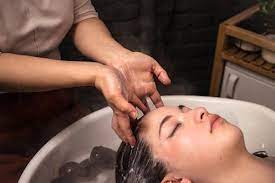
The Hidden Connection: How Stress Impacts Your Respiratory Health
Chronic cough, affecting approximately 10% of the population, is more than just a persistent annoyance—it’s often a complex condition involving both physical and emotional factors. A chronic cough is a persistent cough lasting longer than eight weeks in adults or four weeks in children, and emerging research reveals significant connections between stress, tension, and respiratory irritation.
At Fans Head Spa Toronto, we’ve discovered that Japanese head spa treatments offer a unique holistic approach to supporting respiratory wellness by addressing the stress and tension that often underlies chronic cough conditions.
Understanding Chronic Cough and Respiratory Irritation
Chronic cough is a cough that doesn’t go away. Common causes of chronic cough include asthma, postnasal drip and acid reflux (GERD). However, what many don’t realize is that stress and tension play crucial roles in respiratory health, often creating a cycle where:
The Stress-Respiratory Connection:
- Muscle Tension: Stress causes tightening in neck, shoulder, and chest muscles
- Shallow Breathing: Anxiety leads to restricted breathing patterns
- Nervous System Activation: Chronic stress triggers inflammatory responses
- Sleep Disruption: Poor rest quality affects immune system function
Common Underlying Factors:
- Environmental Irritants: Air pollution, allergens, and chemical exposure
- Stress-Induced Inflammation: Chronic tension affecting respiratory pathways
- Poor Posture: Forward head position restricting airway function
- Compromised Immune Response: Stress weakening natural defenses
Japanese Head Spa: A Holistic Approach to Respiratory Wellness
Our signature scalp treatments at Fans Head Spa address respiratory wellness through multiple therapeutic pathways that work synergistically to support your body’s natural healing processes.
Stress Reduction for Respiratory Relief
The stress of modern life can lead to tension, fatigue, and scalp issues that affect both your well-being and respiratory health. Our Japanese head spa treatments help relieve headaches and reduce tension while promoting deep relaxation that supports healthy breathing patterns.
Acupressure Point Stimulation
Acupressure points for lungs for supporting lung function and easing respiratory issues can be effectively incorporated into head spa treatments. We stimulate acupressure points using essential oils such as lavender and coconut, enhancing circulation and relieving tension that may contribute to respiratory irritation.
Enhanced Circulation and Lymphatic Drainage
Our treatments boost blood circulation and lymphatic drainage, helping to:
- Clear accumulated toxins that may irritate respiratory pathways
- Improve immune system function
- Reduce inflammation in the neck and chest areas
- Support natural healing processes
Evidence-Based Benefits for Respiratory Health
Immediate Relief Mechanisms:
Nervous System Regulation The gentle scalp scraping technique combined with essential oil therapy activates the parasympathetic nervous system, promoting the “rest and digest” response that supports healthy respiratory function.
Muscle Tension Release Our comprehensive approach includes shoulder and neck massage, easing built-up stress and tension that can restrict breathing and contribute to persistent coughing.
Sleep Quality Improvement The session concludes with a hot towel neck compress to relax the muscles, promoting better sleep quality. Improved sleep is crucial for immune system recovery and reducing chronic cough symptoms.
Long-Term Respiratory Support:
Stress Management Skills Regular head spa treatments help develop better stress management capabilities, reducing the likelihood of stress-induced respiratory issues.
Improved Breathing Patterns The deep relaxation achieved during treatment helps reset breathing patterns, encouraging fuller, more efficient respiration.
Enhanced Immune Function Stress reduction through regular treatments supports overall immune system health, helping the body better cope with environmental irritants.
Specific Treatment Protocols for Respiratory Wellness
Comprehensive 60-Minute Respiratory Support Session
Phase 1: Initial Assessment and Relaxation Your session begins with a soothing head treatment that promotes deep relaxation and helps identify tension patterns that may be affecting your breathing.
Phase 2: Targeted Acupressure Therapy We stimulate specific pressure points that support respiratory function:
- LU1 (Zhongfu): Located below the collarbone, helps clear phlegm and relieve coughing
- CV17 (Danzhong): On the chest center, opens airways and relieves breathing difficulties
- Yintang: Between the eyebrows, reduces stress and promotes overall wellness
Phase 3: Essential Oil Aromatherapy We use essential oils such as lavender and coconut that have natural:
- Anti-inflammatory properties
- Stress-reducing capabilities
- Respiratory support benefits
Phase 4: Circulation Enhancement The gentle scalp scraping technique followed by deep-cleansing and nourishing treatments improve circulation to support:
- Toxin elimination
- Immune system function
- Natural healing processes
Phase 5: Integration and Recovery The shoulder and neck massage component specifically targets areas where tension accumulates, affecting respiratory function. The hot towel neck compress provides final relaxation and integration.
Complementary Approaches for Chronic Cough Relief
Environmental Modifications
While receiving head spa treatments, consider these supportive measures:
- Air Quality Improvement: Use HEPA filters and air purifiers
- Humidity Control: Maintain optimal humidity levels (40-60%)
- Allergen Reduction: Regular cleaning and dust mite control
- Chemical Avoidance: Minimize exposure to strong fragrances and cleaning products
Lifestyle Integration
- Breathing Exercises: Practice deep breathing techniques learned during relaxation
- Stress Management: Regular meditation or mindfulness practices
- Sleep Hygiene: Maintain consistent sleep schedule for immune support
- Hydration: Adequate water intake to support respiratory tract moisture
Nutritional Support
Consider incorporating these respiratory-supporting elements:
- Anti-inflammatory foods: Turmeric, ginger, leafy greens
- Immune-boosting nutrients: Vitamin C, zinc, vitamin D
- Hydrating foods: Warm broths, herbal teas
- Omega-3 fatty acids: For natural anti-inflammatory support
When to Seek Comprehensive Care
Head Spa Treatment is Ideal For:
- Stress-related chronic cough: When tension and anxiety contribute to symptoms
- Environmental sensitivity: Supporting the body’s response to irritants
- Sleep disruption: From persistent coughing affecting rest quality
- Immune system support: Building resilience against respiratory challenges
- Complementary care: Alongside medical treatment for comprehensive wellness
Important Considerations:
While head spa treatments offer valuable support for respiratory wellness, it’s important to work with healthcare providers for persistent symptoms. If you or your child has a long-lasting cough, see a healthcare provider.
Success Stories and Client Experiences
Stress-Related Respiratory Relief
Many clients report significant improvement in stress-related breathing issues after regular head spa treatments. The combination of deep relaxation, acupressure stimulation, and tension release creates an environment where the body can naturally restore healthy respiratory patterns.
Enhanced Sleep and Recovery
Clients experiencing chronic cough often struggle with sleep disruption. Our treatments promote deeper, more restorative sleep, which is crucial for immune system recovery and respiratory healing.
Improved Stress Management
Learning to manage stress through regular relaxation sessions helps break the cycle of tension and respiratory irritation that often perpetuates chronic cough conditions.
Treatment Frequency and Expectations
Initial Phase (Weeks 1-4):
- Frequency: Weekly sessions for maximum stress reduction
- Focus: Establishing relaxation response and tension release
- Expected Benefits: Improved sleep, reduced anxiety, initial respiratory relief
Maintenance Phase (Ongoing):
- Frequency: Bi-weekly to monthly sessions
- Focus: Maintaining stress management and respiratory support
- Expected Benefits: Sustained respiratory wellness and stress resilience
Acute Support:
- During flare-ups: Additional sessions as needed for stress and tension relief
- Seasonal support: Increased frequency during high-stress or high-allergen periods
The Future of Respiratory Wellness: Integrative Approaches
The therapeutic landscape of CRC between 2025 to 2035 will be dominated by AI-driven tailored medicine, neuromodulator therapies of the next generation, and digital health therapeutics. As healthcare evolves toward more personalized, integrative approaches, holistic treatments like Japanese head spa therapy are gaining recognition for their role in supporting overall respiratory wellness.
Emerging Trends We’re Incorporating:
- Personalized Treatment Protocols: Customizing sessions based on individual stress patterns and respiratory needs
- Mind-Body Integration: Recognizing the connection between mental and respiratory health
- Preventive Wellness: Using regular treatments to maintain respiratory resilience
- Natural Therapeutics: Emphasizing the body’s inherent healing capabilities
Getting Started with Respiratory Wellness Support
What to Expect During Your First Visit:
- Comprehensive Consultation: Discussion of your respiratory concerns and stress patterns
- Personalized Treatment Plan: Customized approach based on your specific needs
- Gentle Introduction: Starting with modified techniques to ensure comfort
- Home Care Guidance: Simple techniques you can use between sessions
Preparing for Treatment:
- Arrive early: Allow time to relax and transition into treatment mindset
- Comfortable clothing: Wear loose, comfortable attire
- Open communication: Share any respiratory concerns or sensitivities
- Hydration: Drink plenty of water before and after treatment
Special Considerations for Respiratory Conditions
Safe and Gentle Approach:
Our treatments are designed to be gentle and supportive, making them appropriate for people with various respiratory sensitivities. We use:
- Mild, natural essential oils: Avoiding strong fragrances that might trigger symptoms
- Adjustable pressure: Customizing touch intensity based on individual needs
- Clean environment: Maintaining high air quality standards in our treatment rooms
Contraindications and Precautions:
While generally safe, we recommend consulting with your healthcare provider before beginning treatment if you have:
- Severe respiratory conditions requiring ongoing medical management
- Recent respiratory infections or acute illness
- Sensitivity to essential oils or fragrances
- Any concerns about massage therapy and your condition
Investment in Your Respiratory Wellness
Treatment Options and Pricing:
- Single Session: $79 (regular price)
- Midweek Special: $65 (Tuesday & Wednesday)
- Weekend Sessions: $75 (Friday-Sunday & Holidays)
Package Options for Respiratory Support:
- Stress Relief Series: 4 sessions over 6 weeks for comprehensive stress management
- Maintenance Program: Monthly sessions for ongoing respiratory wellness support
- Seasonal Support: Customized plans for managing seasonal respiratory challenges
Take the First Step Toward Natural Respiratory Relief
Chronic cough and respiratory irritation don’t have to control your life. Through the gentle, holistic approach of Japanese head spa therapy, you can address the stress and tension that often underlie persistent respiratory symptoms while supporting your body’s natural healing processes.
Book your respiratory wellness consultation today and discover how our specialized head spa treatments can complement your respiratory health journey.
Ready to Breathe Easier?
Contact Fans Head Spa Toronto at ☎️ (905) 470-6338 to schedule your personalized respiratory wellness session and take the first step toward natural, holistic relief.
Frequently Asked Questions
Q: Can head spa treatments really help with chronic cough? A: While not a medical treatment, head spa therapy can support respiratory wellness by reducing stress, improving circulation, and promoting relaxation—all factors that may contribute to respiratory comfort.
Q: How quickly might I notice improvements? A: Many clients report feeling more relaxed and experiencing better sleep quality after their first session. Respiratory benefits typically develop gradually with regular treatment.
Q: Is it safe to receive head spa treatments while dealing with respiratory issues? A: Our treatments are generally very safe and gentle. However, we recommend consulting with your healthcare provider, especially if you have severe respiratory conditions.
Q: What makes Japanese head spa different from regular massage for respiratory support? A: Our approach specifically targets stress-related tension patterns, incorporates respiratory-supporting acupressure points, and uses techniques designed to activate the body’s natural relaxation response.