 Fall Special Offer
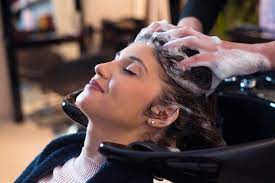
Looking to maximize the benefits of your head massage experience? Understanding the key pressure points can transform your session from relaxing to truly therapeutic. Whether you’re preparing for a visit to a professional head spa or learning techniques for home care, knowing these specific points will help you achieve the ultimate in stress relief and wellness.
Understanding Head Massage Pressure Points
Head massage pressure points, also known as acupoints in traditional Chinese medicine, are specific areas on the scalp, face, and neck where targeted pressure can provide remarkable therapeutic benefits. These parts of the body are believed to stimulate relief in the body, and recent research supports their effectiveness for headache relief and relaxation.
Japanese head spas are the most popular spa trend as we head into 2025, with an impressive 233% increase in searches year on year, highlighting the growing Canadian interest in therapeutic scalp treatments that incorporate these pressure point techniques.
The Science Behind Pressure Point Therapy
Modern research validates what ancient practitioners have long known about pressure point effectiveness. Studies have found that massage focused on trigger points can lead to a greater reduction in headache pain, while about 90% of people report reduced stress through massage therapy. The technique works by improving blood circulation, releasing muscle tension, and promoting the body’s natural healing responses.
Key Pressure Points for Maximum Benefits
1. Union Valley (LI4) – The Stress Reliever
Located in the webbing between your thumb and index finger, this powerful pressure point is your go-to for headache relief and general tension reduction.
How to activate:
- Start by pinching this area with the thumb and index finger of your opposite hand firmly — but not painfully — for 10 seconds
- Make small circles with your thumb in both directions for 10 seconds each
- This point relieves tension in the head and neck region
Benefits: Reduces headache pain, alleviates sinus pressure, and helps with jaw tension
2. Third Eye (Yin Tang) – The Clarity Point
Positioned at the midpoint between your eyebrows, this central pressure point is excellent for mental clarity and sinus relief.
Activation technique:
- Apply gentle but firm pressure with your index finger for one minute
- Focus on slow, circular motions
- Stimulating this area can help relieve eye strain and sinus pressure, both common causes of headaches
Benefits: Improves focus, reduces eye strain, and provides sinus relief
3. Gates of Consciousness (GB20) – The Ultimate Tension Buster
The gates of consciousness (GB20) pressure points are located at the base of the skull in the parallel hollow areas between the two vertical neck muscles. This is arguably the most powerful point for comprehensive head and neck relief.
Proper technique:
- Place your index and middle fingers of either hand onto these pressure points. Press firmly upward on both sides at once for 10 seconds, then release and repeat
- You can also clasp your hands behind your neck with thumbs facing downward
Benefits: This is one of the most effective pressure points for tension headache relief – it addresses blurred vision, low energy, and fatigue
4. Temple Points (Tai Yang) – The Migraine Fighter
Located on your temples, midway between the outer corner of your eyebrow and hairline, these points are particularly effective for migraine relief.
Application method:
- Press down with your thumbs and apply steady pressure for 1-2 minutes
- Targeting this area should help to tackle headaches or migraines, especially those that start in the temples or around the eyes
- Use gentle circular motions while maintaining pressure
Benefits: Specifically targets migraine pain and temple tension
5. Drilling Bamboo (UB2) – The Eye Strain Specialist
Drilling bamboo (UB2) points are located at the indentations on either side of the spot where the bridge of your nose meets the ridge of your eyebrows.
How to use:
- Use both of your index fingers to apply firm pressure to both points at once. Hold for 10 seconds. Release and repeat
- Be gentle but consistent with pressure
Benefits: Touching these pressure points are thought to relieve headaches that are caused by eyestrain and sinus pain or pressure
Advanced Pressure Point Techniques
Scalp-Specific Marma Points
In traditional Indian head massage, there are about 108 marma points, with over 20 in the head, neck, and shoulders. These energy points offer comprehensive benefits:
- Crown Point (Adhipati): Located at the top of your head, use small circular motions for stress relief
- Ear Points: Massage around the ears to improve circulation and reduce tension
- Neck Junction Points: Target where the neck meets the shoulders for deep muscle release
The Canadian Approach to Head Massage
Here in Canada, we’re seeing a surge in interest in holistic wellness approaches. The combination of traditional pressure point techniques with modern spa amenities creates the perfect therapeutic experience. Whether you’re visiting a professional head spa in Toronto or practicing at home, understanding these pressure points enhances your wellness journey.
Professional vs. At-Home Techniques
When to Visit a Professional Head Spa
While self-massage is beneficial, professional treatments offer distinct advantages. Understanding and applying these pressure points can improve physical and mental well-being. Individuals may experience significant positive changes in their overall health. Professional therapists understand the intricate marma point system and can provide personalized treatments.
Consider professional treatment for:
- Chronic headaches or migraines
- High stress levels requiring deep relaxation
- Specific scalp conditions needing expert assessment
- When you want the full Japanese head spa experience
Safe Home Practice Guidelines
For at-home practice, follow these essential safety tips:
- Pressure Control: Be firm when applying pressure, but do not press so hard that it hurts
- Duration: Limit sessions to 2-3 minutes per pressure point
- Frequency: You can practice several times daily as needed
- Comfort: Always ensure you’re in a comfortable, safe environment
Maximizing Your Head Massage Benefits
Creating the Ideal Environment
Transform your space into a mini spa sanctuary:
- Dim lighting to promote relaxation
- Soothing background music or nature sounds
- Comfortable temperature setting
- Essential oils like lavender or rosemary for aromatherapy benefits
Timing Your Sessions
The best times for pressure point massage include:
- Morning: To start your day with clarity and energy
- Mid-afternoon: To combat stress and fatigue
- Evening: To promote relaxation and better sleep quality
Complementary Wellness Practices
Enhance your pressure point massage with:
- Deep breathing exercises during treatment
- Gentle neck and shoulder stretches
- Hydration before and after sessions
- Mindful meditation techniques
The Growing Trend: Japanese Head Spa Integration
A Japanese head spa is a type of head massage that has been shared thousands of times on TikTok and exploded in popularity. This treatment combines traditional pressure point techniques with modern spa amenities, creating a comprehensive wellness experience.
The Japanese approach emphasizes:
- Thorough scalp analysis and cleansing
- Targeted pressure point stimulation
- Steam treatments for enhanced circulation
- Holistic relaxation techniques
Common Mistakes to Avoid
Pressure Point Practice Errors
- Excessive Pressure: If it hurts, stop massaging right away
- Incorrect Location: Take time to properly locate each pressure point
- Rushing the Process: Allow adequate time for each point to be effective
- Ignoring Body Signals: Always listen to your body’s response
When to Seek Professional Help
You should speak with a healthcare professional if you have recurring or very intense headaches. Additionally, consult professionals if you experience:
- Persistent pain despite regular pressure point massage
- Unusual sensitivity in certain areas
- Any concerning symptoms during or after treatment
Building Your Pressure Point Routine
Weekly Schedule Recommendation
- Monday: Full scalp pressure point session (15-20 minutes)
- Wednesday: Focus on temple and eye strain points (10 minutes)
- Friday: Comprehensive neck and shoulder pressure points (15 minutes)
- Sunday: Relaxing full-head session for weekly reset (20-25 minutes)
Progress Tracking
Monitor your results by noting:
- Headache frequency and intensity
- Stress level improvements
- Sleep quality changes
- Overall mood and energy levels
The Future of Head Massage Therapy
With 233% increase in searches year on year for Japanese head spa treatments, the integration of pressure point therapy with modern wellness practices continues to evolve. Canadian spas are increasingly incorporating these traditional techniques into comprehensive wellness programs.
Conclusion: Your Path to Optimal Wellness
Understanding and utilizing key pressure points during head massage can dramatically enhance your therapeutic experience. Whether you’re managing stress, combating headaches, or simply seeking deep relaxation, these targeted techniques offer natural, effective relief.
The combination of ancient wisdom and modern spa techniques creates powerful healing opportunities. As you explore these pressure points, remember that consistency and proper technique are key to achieving maximum benefits.
For the ultimate experience in pressure point therapy and comprehensive scalp wellness, consider visiting a professional head spa where trained therapists can provide personalized treatments tailored to your specific needs.
Ready to experience the transformative power of professional head massage? Book your appointment today and discover how targeted pressure point therapy can enhance your wellness journey.
External Resources and Further Reading
- Traditional Chinese Medicine Pressure Points – Wikipedia
- Mayo Clinic: Massage Therapy Benefits
- National Center for Biotechnology Information: Acupressure Research
- Harvard Health: The Benefits of Massage Therapy