 Fall Special Offer

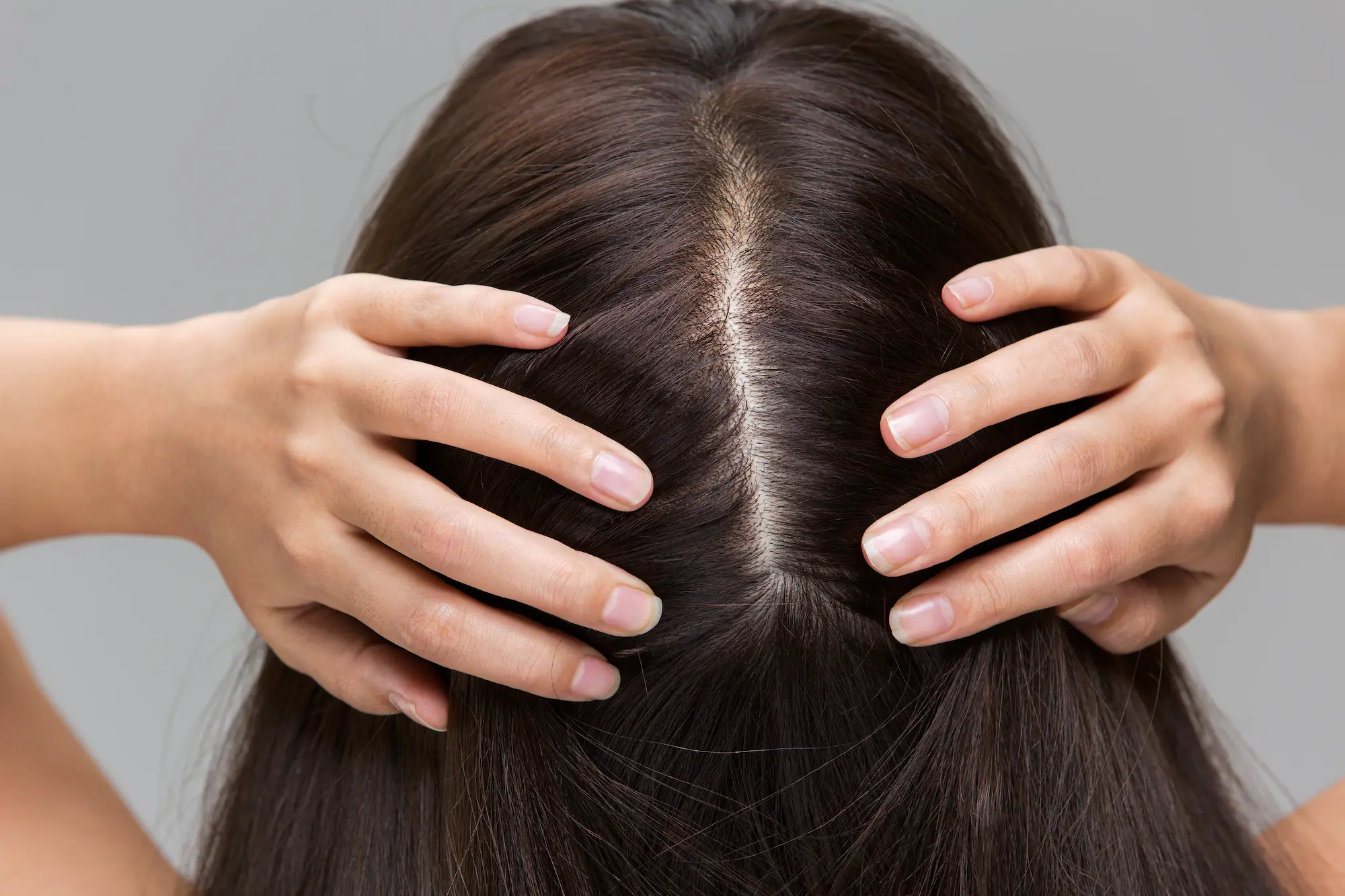
Life aboard a submarine presents unique challenges that few other professions can match. From the confines of steel corridors to the constant pressure changes and isolation from the natural world, submarine crews face stressors that demand specialized wellness solutions. In Canada, where our naval forces operate in some of the world’s most demanding underwater environments, head massage therapy is emerging as a vital tool for maintaining crew health and operational readiness.
The Hidden Health Challenges of Submarine Service
Working beneath the waves isn’t just about technical expertise – it’s about enduring conditions that would test anyone’s physical and mental limits. Submarine crews experience prolonged periods in confined spaces with disrupted sleep-wake cycles, sleep deprivation, fluctuating atmospheric composition, and varying noise levels. These environmental stressors create a perfect storm of health challenges that traditional medicine often struggles to address.
Research from Korean naval personnel shows that submariners are exposed to several health risk factors, including increased cortisol levels related to chronic stress and sleep deprivation, and low air quality in enclosed spaces. For Canadian submariners operating in Arctic waters or extended patrols, these challenges are amplified by the demanding nature of our maritime operations.
The confined submarine environment creates unique physiological responses that affect everything from circulation to stress hormone production. Studies show that during three-month submarine deployments, crew members work in six-hour shifts with limited sleep averaging just 5 hours and 46 minutes per day. This disrupted circadian rhythm, combined with the lack of natural light and fresh air, places enormous strain on the body’s natural healing mechanisms.
Why Head Massage Is Essential for Submarine Wellness
Head massage offers submarine crews a powerful, non-pharmaceutical intervention that addresses multiple stressors simultaneously. Unlike traditional medical treatments that require extensive equipment or storage space – both at a premium on submarines – head massage therapy can be delivered anywhere, anytime, with nothing more than skilled hands.
Pressure Relief and Circulation Enhancement
Head massage improves circulation and promotes lymphatic drainage, which can alleviate pressure that causes sinus headaches and tension. For submariners dealing with atmospheric pressure changes during diving and surfacing operations, this enhanced circulation becomes crucial for maintaining cognitive function and preventing the debilitating headaches that can compromise mission safety.
The mechanical action of massage stimulates blood flow to the scalp and brain, counteracting the circulatory challenges posed by confined spaces and limited movement. Research shows that acupressure and targeted pressure point massage can help muscles relax, improve blood flow, and provide relief from pain and headaches.
Stress Hormone Regulation
For missions lasting more than a month on tactical submarines, crew members show higher concentrations of cortisol and more perceived stress than usual. Head massage directly addresses this physiological stress response by activating the parasympathetic nervous system – the body’s natural “rest and digest” mode.
Studies on head massage show that about 90% of people report reduced stress through massage therapy, with 70% finding relief from tension headaches. For submarine crews operating under constant vigilance and high-stakes conditions, this stress reduction isn’t just about comfort – it’s about maintaining the mental clarity essential for safe operations.
Sleep Quality Improvement
Research indicates that 70% of individuals experience improved sleep quality after head massage treatment. Given that submarine crews often struggle with disrupted sleep patterns due to watch schedules and the absence of natural light cues, this improvement in sleep quality can have cascading benefits for overall health and performance.
The gentle stimulation of scalp pressure points helps regulate the production of melatonin and other sleep-related hormones, making it easier for crew members to fall asleep during off-watch periods and achieve more restorative rest.
Specific Head Massage Techniques for Submarine Environments
The Union Valley Technique
The union valley points, located on the web between your thumb and index finger, can help relieve tension in the head and neck when stimulated properly. This technique is perfect for submarine environments because it can be performed anywhere, requires no equipment, and takes only minutes to complete.
To perform this technique:
- Pinch the area between thumb and index finger firmly but not painfully for 10 seconds
- Make small circular motions with your thumb in both directions for 10 seconds each
- Repeat on the opposite hand
- This can be done during watch duties without interfering with operations
Temporal Pressure Point Relief
Press your middle three fingers firmly into the sides of your temple and add a slight circular motion for 10 seconds using steady pressure, breathing deeply and repeating 5 times. This technique is particularly effective for submarine crews experiencing tension headaches from concentrated work in confined spaces.
Suboccipital Release
The suboccipital muscles at the base of the skull are prime locations for tension buildup, and targeted pressure can provide significant relief. Using simple tennis ball tools or manual pressure, crew members can release tension in these critical areas that often develop from looking down at instruments and maintaining awkward postures in tight spaces.
Canadian Naval Wellness Initiatives and Head Massage
The Royal Canadian Navy has recognized the importance of comprehensive wellness programs for deployed personnel. “Resiliency at Sea” programs implemented by Canadian Armed Forces medical officers focus on building healthy behaviours and maintaining optimal mental health during deployments.
Canadian naval medical professionals emphasize that “by prioritizing wellness, the Canadian Armed Forces would likely see personnel with better health outcomes, more effective crews, and better retention rates”. Head massage therapy fits perfectly into this holistic approach, offering a practical tool that crew members can use to maintain their wellness throughout extended deployments.
The beauty of head massage therapy lies in its accessibility and immediacy. As one Canadian naval medical officer noted, traditional stress management techniques “are not attainable while on a ship,” making it necessary to be “more purposeful in addressing our mental health at sea”.
Integration with Existing Submarine Health Protocols
Complementing Embedded Mental Health Programs
The U.S. Navy’s embedded mental health provider program, which addresses the fact that 30% of submarine force losses were due to mental health diagnoses, has shown significant success in reducing personnel losses and promoting psychological hygiene. Head massage therapy can complement these professional services by providing immediate, accessible relief between formal counselling sessions.
The embedded mental health model emphasizes “stress management and psychological toughness from the top to the bottom of a submarine chain of command”. Teaching head massage techniques to crew members creates a peer-support network where sailors can help each other maintain wellness without stigma or formal medical intervention.
Addressing Confined Space Challenges
Confined spaces present numerous psychological hazards, including claustrophobia, anxiety, panic attacks, and difficulty breathing. For submarine crews who must function in these conditions for extended periods, head massage provides a grounding technique that can help manage anxiety responses and maintain emotional equilibrium.
Submarine crews work “in the absence of day-night cues, and under conditions of disrupted sleep-wake cycles, sleep deprivation, fluctuating atmospheric composition, and fluctuating atmospheric pressure”. Head massage techniques can be adapted to address each of these specific stressors, providing targeted relief when and where it’s needed most.
Training Programs for Canadian Submarine Crews
Basic Self-Massage Certification
Canadian naval training programs could incorporate head massage instruction into existing wellness curricula. Research shows that massage therapy for headache relief isn’t a new concept, with the American Massage Therapy Association offering specialized courses for healthcare providers. Similar training could be developed specifically for military personnel.
A comprehensive training program would include:
- Anatomical understanding of pressure points and their effects
- Safe techniques for confined space application
- Recognition of when professional medical intervention is needed
- Peer-assistance protocols for helping fellow crew members
Integration with Watch Standing Procedures
Head massage techniques can be integrated into existing watch relief and break procedures without disrupting operational requirements. Deep tissue massage using firm pressure and slow strokes can relax strained muscles that may be the root cause of headache pain, making it an ideal intervention during watch changes or maintenance periods.
Equipment and Space Considerations
One of the greatest advantages of head massage therapy for submarine applications is its minimal equipment requirements. Unlike complex medical devices or pharmaceutical supplies that require precious storage space and careful environmental controls, head massage requires only:
- Basic knowledge of pressure points and techniques
- Clean hands
- Perhaps simple tools like tennis balls for self-treatment
- 5-10 minutes of time
This simplicity makes head massage therapy ideal for submarine environments where every cubic centimetre of space is precious and reliability is paramount.
Evidence-Based Outcomes for Maritime Wellness
Headache Reduction
Research shows that massage treatments reduced the number of chronic tension headaches from almost seven per week to just two per week, with average headache duration decreasing by half from eight hours to four hours. For submarine crews operating critical systems where concentration is essential, this level of headache reduction could significantly improve both safety and performance.
Improved Mental Resilience
Effective psychological screening and support programs for submariners have shown benefits including improved crew cohesion, enhanced operational effectiveness, reduced risk of incidents, and improved personal well-being. Head massage therapy supports these same outcomes by providing crew members with tools for self-care and mutual support.
Enhanced Operational Readiness
Physical activity and stress management techniques have been shown to help with better sleep, happier moods through the release of feel-good hormones, and better management of stress, anxiety, and racing thoughts. When submarine crews have access to effective stress management tools like head massage, the entire vessel operates more effectively.
The Future of Submarine Wellness in Canada
As Canada continues to modernize its submarine fleet and extend deployment capabilities, the need for comprehensive crew wellness programs becomes increasingly critical. Head massage therapy represents a low-cost, high-impact intervention that can be immediately implemented across the fleet.
Modern submarine medicine maintains “an excellent record of health and safety” and continues to evolve with “improved psychological screening and support tools”. Head massage therapy fits naturally into this evolution, offering a practical complement to existing medical and psychological support systems.
The confined, high-stress environment of submarine service demands innovative approaches to crew wellness. Traditional healthcare delivery models simply don’t work in an environment where a medical evacuation might require surfacing and compromising mission security. Head massage therapy offers a decentralized, peer-delivered wellness solution that keeps crews healthy and missions on track.
Implementing Head Massage Programs: A Canadian Approach
Phase 1: Training and Certification
Begin with training programs at naval training facilities, incorporating head massage instruction into existing health and wellness curricula. Partner with certified massage therapy schools to develop military-specific training modules that address the unique challenges of submarine service.
Phase 2: Fleet Integration
Deploy trained personnel across the submarine fleet to serve as wellness coordinators and peer instructors. These individuals would be responsible for maintaining crew knowledge and ensuring proper technique application throughout deployments.
Phase 3: Outcome Measurement
Establish metrics for measuring the effectiveness of head massage programs, including:
- Reduction in medical consultations for headaches and stress-related symptoms
- Improved crew satisfaction and retention rates
- Enhanced operational performance indicators
- Decreased incident rates related to fatigue or stress
Conclusion: A Touch of Wellness Beneath the Waves
For Canadian submarine crews operating in some of the world’s most challenging maritime environments, head massage therapy offers more than just relief from headaches and stress. It provides a practical tool for maintaining the mental and physical resilience essential for successful underwater operations.
The science is clear: head massage therapy reduces stress in 90% of recipients and provides headache relief for 70%. For submarine crews facing the unique challenges of confined space operations, pressure changes, and extended isolation, these benefits translate directly into improved operational capability and crew welfare.
As Canada continues to assert its sovereignty in Arctic waters and maintain maritime security worldwide, investing in comprehensive crew wellness programs isn’t just good policy – it’s essential for mission success. Head massage therapy represents a practical, evidence-based solution that can be implemented immediately and scaled across the entire submarine fleet.
The healing power of human touch doesn’t disappear beneath the waves. In fact, in the confined, stressful environment of submarine service, it becomes more important than ever. By empowering Canadian submarine crews with the knowledge and techniques of therapeutic head massage, we’re not just improving their health and wellbeing – we’re strengthening our nation’s underwater defence capabilities one healing touch at a time.
Ready to explore how head massage therapy can benefit your wellness routine? Visit Head Spa Toronto to experience professional treatments and learn techniques you can use anywhere – even beneath the waves.
Learn More: