 Fall Special Offer

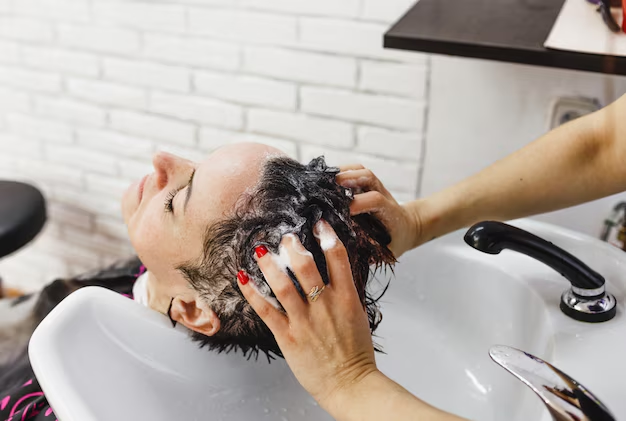
Climate change is reshaping our world, with extreme weather patterns increasing in frequency, intensity and severity. As millions of people worldwide face harsh environmental conditions—from Arctic freeze to desert heat—the need for specialized wellness approaches has never been more critical. At Head Spa Toronto, we understand that effective scalp therapy must adapt to environmental stressors, offering targeted relief for those living in or traveling to extreme climates.
Living in extreme environments places unique demands on our bodies, particularly affecting circulation, stress levels, and scalp health. Professional head massage therapy, when properly adapted for climate-specific challenges, becomes an essential tool for maintaining wellness in harsh conditions.
Understanding Climate-Specific Scalp Challenges
Arctic Climate Effects on Scalp Health
Arctic and sub-Arctic regions present distinct challenges for scalp and hair health:
Cold-Induced Circulation Issues Extreme cold causes vasoconstriction, reducing blood flow to the scalp and hair follicles. This decreased circulation can lead to:
- Hair thinning and increased breakage
- Dry, flaky scalp conditions
- Reduced nutrient delivery to hair roots
- Slower healing of minor scalp irritations
Humidity and Moisture Depletion Cold air holds less moisture, creating desert-like humidity levels indoors and outdoors:
- Severe scalp dryness and irritation
- Static electricity causing hair damage
- Increased susceptibility to environmental pollutants
- Compromised scalp barrier function
Seasonal Affective Stress Extended periods of darkness and cold can lead to anxiety and feelings of helplessness, manifesting physically as:
- Tension headaches and neck stiffness
- Stress-related hair loss
- Disrupted sleep patterns affecting hair growth cycles
- Compromised immune function affecting scalp health
Desert Climate Challenges
Desert environments present equally demanding conditions requiring specialized care:
Extreme Heat and UV Exposure High temperatures combined with humidity can be most taxing on the body, affecting scalp health through:
- UV-induced scalp damage and premature aging
- Excessive sweating leading to follicle clogging
- Heat-related inflammation and sensitivity
- Accelerated moisture loss from scalp and hair
Sand and Particulate Exposure Desert environments expose the scalp to:
- Abrasive particles causing micro-injuries
- Mineral buildup from hard water sources
- Environmental toxins affecting scalp microbiome
- Increased infection risk from compromised barrier function
Rapid Temperature Fluctuations Sudden exposure to cold air from AC units can cause strain in various ways, including:
- Vascular stress from temperature shock
- Increased tension from environmental adaptation
- Disrupted natural oil production
- Compromised scalp elasticity
Arctic-Adapted Head Massage Techniques
Circulation-Boosting Protocols
Warming Pre-Treatment Ritual Begin each session with graduated warming techniques:
- Heated towel preparation (104-108°F) for 5-7 minutes
- Gentle friction massage to activate blood flow
- Progressive pressure application starting superficially
- Essential oil blends featuring warming botanicals like ginger and cinnamon
Deep Tissue Circulation Enhancement Arctic-adapted massage emphasizes circulation restoration:
- Extended scalp massage duration (20-25 minutes vs. standard 15 minutes)
- Firm, rhythmic pressure techniques to overcome vasoconstriction
- Targeted acupressure on circulation-promoting points
- Integration of gentle scalp lifting and manipulation
Cold Protection Strategies Post-treatment protection becomes crucial in Arctic climates:
- Protective oil barriers using Arctic-approved formulations
- Thermal scalp wraps for continued circulation
- Gradual cooling protocols before environmental exposure
- Specialized aftercare products designed for extreme cold resistance
Moisture Restoration Protocols
Intensive Hydration Treatments Arctic climates demand enhanced moisture restoration:
- Multi-layer hydration using hyaluronic acid serums
- Occusive treatments with natural waxes and oils
- Steam therapy modifications for enhanced penetration
- Overnight protection protocols for extended care
Barrier Repair Techniques Focus on restoring and protecting the scalp’s natural barrier:
- Ceramide-rich treatment applications
- Gentle exfoliation to remove damaged surface cells
- pH-balancing treatments to restore optimal scalp environment
- Microbiome-supporting probiotic applications
Desert-Adapted Head Massage Techniques
Heat Stress Relief Protocols
Cooling Pre-Treatment Desert climate sessions begin with temperature regulation:
- Chilled treatment rooms (68-72°F optimal)
- Cool compress applications (65-70°F) for 10-15 minutes
- Cooling essential oil blends featuring peppermint and eucalyptus
- Gradual pressure introduction to avoid shock
Heat-Adapted Massage Techniques Modify traditional techniques for heat-stressed scalps:
- Lighter pressure to avoid additional inflammation
- Shorter session durations (45-50 minutes) to prevent overheating
- Frequent cooling breaks with chilled towels
- Focus on lymphatic drainage to reduce heat-related swelling
UV Damage Repair Address desert-specific environmental damage:
- Antioxidant-rich treatment serums featuring vitamins C and E
- Gentle removal of sun-damaged surface cells
- Healing treatments for UV-induced inflammation
- Protective applications for future exposure
Detoxification and Cleansing
Deep Cleansing Protocols Desert environments require enhanced cleansing:
- Pre-treatment scalp analysis to assess particulate buildup
- Gentle scalp scraping technique to remove embedded particles
- Clay-based detoxifying masks for mineral extraction
- Multiple rinse cycles with filtered water systems
Follicle Purification Address clogged follicles from sweat and environmental debris:
- Salicylic acid treatments for gentle exfoliation
- Steam therapy for follicle opening and debris removal
- Vacuum extraction techniques for stubborn blockages
- Antiseptic rinses to prevent infection
Climate-Specific Treatment Adaptations at Head Spa Toronto
Advanced Technology Integration
Climate-Responsive Equipment Our Mississauga location features climate-adapted technology:
- Variable temperature steam systems for climate-specific needs
- HEPA filtration to remove environmental pollutants
- Humidity control systems for optimal treatment conditions
- LED light therapy adjusted for climate-related scalp sensitivity
Specialized Product Formulations Climate-adapted treatments require specialized products:
- Arctic-formula oils with enhanced viscosity for cold penetration
- Desert-formula serums with rapid cooling properties
- Climate-neutral base products suitable for transition periods
- Environmental protection barriers for post-treatment care
Professional Assessment Protocols
Climate History Evaluation Each client undergoes comprehensive climate assessment:
- Current and recent climate exposure history
- Existing climate-related scalp conditions
- Environmental sensitivity evaluation
- Adaptation timeline establishment
Ongoing Monitoring Climate adaptation requires continuous assessment:
- Progress tracking through detailed scalp analysis
- Treatment modification based on climate changes
- Seasonal adjustment protocols
- Emergency adaptation for extreme weather events
Mental Health and Stress Management in Extreme Climates
Climate-Related Stress Response
Understanding Environmental Stress Climate change has chronic impacts on mental health, and adding a focus on mental health and well-being is important for advancing climate resilience. Our approach addresses:
- Environmental anxiety and climate-related distress
- Seasonal affective responses in Arctic conditions
- Heat-related irritability and cognitive stress in desert climates
- Isolation stress common in extreme climate communities
Therapeutic Integration Head massage therapy serves as both physical and psychological relief:
- Stress hormone reduction through targeted pressure techniques
- Endorphin release promoting mood stabilization
- Mindfulness integration for climate adaptation coping
- Community building through shared wellness experiences
Adaptation Psychology Support
Building Climate Resilience Our therapeutic approach supports psychological adaptation:
- Gradual exposure therapy through climate-simulated treatments
- Confidence building through successful stress management
- Coping strategy development for extreme weather events
- Support network creation among climate-challenged clients
Emergency Response Protocols Preparation for climate emergencies includes:
- Rapid stress relief techniques for weather-related anxiety
- Portable self-care protocols for emergency situations
- Communication strategies for climate-induced isolation
- Recovery protocols for post-extreme weather trauma
Nutritional and Lifestyle Support for Extreme Climate Living
Climate-Adapted Nutrition
Arctic Nutrition Strategies Cold climate living requires specific nutritional support:
- Increased vitamin D supplementation for limited sun exposure
- Omega-3 fatty acids for circulation and inflammation control
- Iron-rich foods to support circulation in cold conditions
- Warming foods and beverages to support internal temperature regulation
Desert Nutrition Approaches Hot climate adaptation demands different nutritional focus:
- Enhanced electrolyte replacement for excessive sweating
- Antioxidant-rich foods to combat UV and heat damage
- Cooling foods and beverages for internal temperature regulation
- Mineral supplementation to replace losses from perspiration
Lifestyle Modification Support
Arctic Living Adaptations Support clients in developing cold climate lifestyles:
- Indoor air quality management for heated environments
- Exercise modification for limited outdoor access
- Sleep optimization for disrupted circadian rhythms
- Social connection strategies for isolated communities
Desert Living Strategies Help clients adapt to hot climate challenges:
- Heat avoidance scheduling for outdoor activities
- Hydration protocols for extreme heat exposure
- Indoor environment optimization for cooling efficiency
- Sun protection strategies for daily living
Seasonal Transition Management
Climate Migration Support
Temporary Climate Exposure Support clients traveling to extreme climates:
- Pre-travel preparation treatments
- Climate-specific product recommendations
- Emergency self-care protocols
- Post-travel recovery sessions
Permanent Relocation Assistance Comprehensive support for climate relocation:
- Gradual adaptation treatment protocols
- Climate-specific lifestyle coaching
- Ongoing monitoring and adjustment
- Community integration support
Seasonal Worker Support
Arctic Industry Workers Specialized care for oil, mining, and research workers:
- Intensive preparation before deployment
- Maintenance protocols during extreme exposure
- Recovery treatments upon return
- Long-term health monitoring
Desert Industry Support Care for construction, military, and research personnel:
- Heat preparation and conditioning
- On-site self-care education
- Heat illness prevention strategies
- Recovery and restoration protocols
Technology and Innovation in Climate-Adapted Therapy
Smart Climate Monitoring
Environmental Tracking Integration Advanced monitoring for optimal treatment timing:
- Real-time climate data integration
- Treatment scheduling based on weather patterns
- Personal exposure tracking and assessment
- Predictive modeling for treatment needs
Biomarker Monitoring Physiological tracking for climate adaptation:
- Stress hormone level monitoring
- Circulation efficiency assessment
- Hydration status evaluation
- Inflammation marker tracking
Telemedicine Integration
Remote Climate Support Extended care through digital platforms:
- Virtual consultation for isolated communities
- Self-care instruction through video platforms
- Emergency support through mobile apps
- Progress monitoring through wearable integration
AI-Powered Adaptation Machine learning for personalized climate therapy:
- Treatment optimization based on climate data
- Predictive modeling for individual needs
- Automated adjustment protocols
- Outcome tracking and improvement algorithms
Research and Evidence Base
Climate Health Research
Current Studies By 2050, climate change is likely to cause an additional 14.5 million deaths and $12.5 trillion in economic losses worldwide, emphasizing the critical need for:
- Preventive wellness strategies for climate adaptation
- Early intervention for climate-related health issues
- Community-based resilience building programs
- Professional training for climate-responsive care
Emerging Evidence Research supporting climate-adapted massage therapy includes:
- Circulation improvement in cold-exposed populations
- Stress reduction in extreme climate communities
- Adaptation acceleration through targeted therapy
- Community resilience building through wellness programs
Clinical Validation
Treatment Efficacy Studies Ongoing research validates climate-adapted approaches:
- Comparative studies of standard vs. climate-adapted protocols
- Long-term outcomes in extreme climate populations
- Biomarker improvements through targeted therapy
- Quality of life enhancements in climate-challenged communities
Professional Training Research Evidence supporting specialized training includes:
- Improved client outcomes with climate-specific training
- Enhanced therapist confidence in extreme climate care
- Reduced adverse events through proper adaptation
- Increased client satisfaction with specialized protocols
Building Community Resilience
Group Program Development
Arctic Community Programs Community-based approaches for cold climate resilience:
- Group massage sessions for social connection
- Community education on cold climate self-care
- Peer support networks for climate challenges
- Seasonal celebration and mood support events
Desert Community Initiatives Heat climate community support programs:
- Early morning and evening group sessions
- Community cooling center partnerships
- Heat illness prevention education
- Seasonal heat preparation workshops
Professional Training and Education
Therapist Certification Programs Specialized training for climate-adapted care:
- Climate physiology and adaptation principles
- Technique modification for extreme conditions
- Emergency response protocols
- Cultural sensitivity for climate-displaced populations
Community Education Initiatives Public education for climate adaptation:
- Self-care workshops for extreme climate living
- Early warning system integration
- Community preparedness for extreme weather
- Resilience building through wellness practices
Emergency Response and Crisis Management
Extreme Weather Protocols
Arctic Emergency Response Specialized protocols for cold weather emergencies:
- Hypothermia prevention and treatment support
- Emergency warming techniques
- Isolation management during weather events
- Post-emergency recovery protocols
Desert Emergency Management Heat emergency response and prevention:
- Heat illness recognition and first aid
- Emergency cooling techniques
- Dehydration prevention and management
- Post-heat emergency recovery support
Community Crisis Support
Natural Disaster Response Climate-adapted therapy for disaster recovery:
- Trauma-informed care for climate disaster survivors
- Community healing through group therapy sessions
- PTSD prevention through early intervention
- Long-term recovery support programs
Climate Migration Support Assistance for climate-displaced populations:
- Cultural adaptation support for climate refugees
- Community integration through wellness programs
- Trauma recovery for climate displacement
- Resilience building for ongoing uncertainty
Quality Assurance and Professional Standards
Certification and Training
Professional Competency Standards Ensuring quality care in extreme climate therapy:
- Climate physiology education requirements
- Hands-on training in adapted techniques
- Emergency response certification
- Ongoing education for evolving climate challenges
Quality Control Measures Maintaining standards in challenging environments:
- Equipment maintenance in extreme conditions
- Product quality control for climate storage
- Hygiene protocols for challenging environments
- Client safety monitoring in extreme conditions
Ethical Considerations
Access and Equity Ensuring fair access to climate-adapted care:
- Affordability considerations for climate-stressed communities
- Cultural competency in climate adaptation care
- Language accessibility for diverse climate populations
- Geographic accessibility for remote communities
Professional Responsibility Ethical obligations in climate-adapted care:
- Informed consent for experimental adaptations
- Professional boundaries in emergency situations
- Collaboration with medical professionals
- Advocacy for climate health awareness
Future Directions and Innovation
Emerging Technologies
Next-Generation Adaptation Tools Innovation in climate-responsive therapy:
- AI-powered climate adaptation protocols
- Nanotechnology for enhanced product penetration
- Biotechnology for personalized climate formulations
- Virtual reality for climate simulation training
Predictive Medicine Integration Future-focused climate health:
- Genomic testing for climate adaptation potential
- Biomarker prediction for climate health risks
- Personalized prevention protocols
- Long-term health monitoring systems
Global Collaboration
International Standards Development Working toward global climate therapy standards:
- International certification reciprocity
- Cross-cultural adaptation protocols
- Global research collaboration networks
- Emergency response coordination systems
Climate Justice Integration Addressing equity in climate adaptation:
- Community-based participatory research
- Indigenous knowledge integration
- Environmental justice advocacy
- Accessible technology development
Conclusion: Leading Climate Adaptation Through Specialized Care
As our planet faces unprecedented climate challenges, the need for adaptive wellness solutions becomes increasingly critical. Head Spa Toronto stands at the forefront of climate-responsive care, offering specialized techniques that address the unique needs of individuals living in or exposed to extreme climates.
Our decade of experience in Japanese head spa traditions, combined with cutting-edge climate adaptation research, positions us as leaders in this emerging field. Whether you’re preparing for Arctic deployment, recovering from desert exposure, or seeking ongoing support for extreme climate living, our climate-adapted protocols provide the specialized care you need.
With Japanese head spas showing a 233% increase in popularity and growing awareness of climate health impacts, now is the time to invest in specialized care that addresses your unique environmental challenges. Our comprehensive approach combines traditional massage techniques with climate-specific adaptations, ensuring optimal results regardless of environmental stressors.
Professional Climate-Adapted Services:
- Arctic circulation restoration protocols
- Desert heat stress relief techniques
- Comprehensive 60-minute climate-specific treatments
- Emergency climate response support
- Community resilience building programs
Contact Information:
- Phone: (905) 470-6338
- Specialized Climate Rates: $65/hr (Tuesday & Wednesday) | $75/hr (Friday-Sunday & Holidays) | $79/hr (Regular Rate)
- Location: Serving Toronto and the Greater Toronto Area from our climate-controlled Mississauga facility
Ready to adapt your wellness routine for extreme climate challenges? Book your climate-specific consultation today and discover how specialized head massage therapy can support your adaptation to any climate condition.
Our climate-adapted approach represents more than just modified techniques—it’s a comprehensive understanding that environmental stressors require specialized responses. Through targeted therapy, community support, and ongoing innovation, we’re building resilience for our changing world, one client at a time.
Don’t let extreme climate conditions compromise your wellness. Contact Head Spa Toronto today to begin your journey toward climate-adaptive health and discover why we’re the preferred choice for clients facing environmental challenges across the Greater Toronto Area.
For more information about our climate-adapted treatments and to stay updated on the latest in extreme climate wellness, visit our website or follow us on social media. Together, we’re building a more resilient future through specialized care and community support.