 Grand Launch: Special Offer – Summer Wellness Package

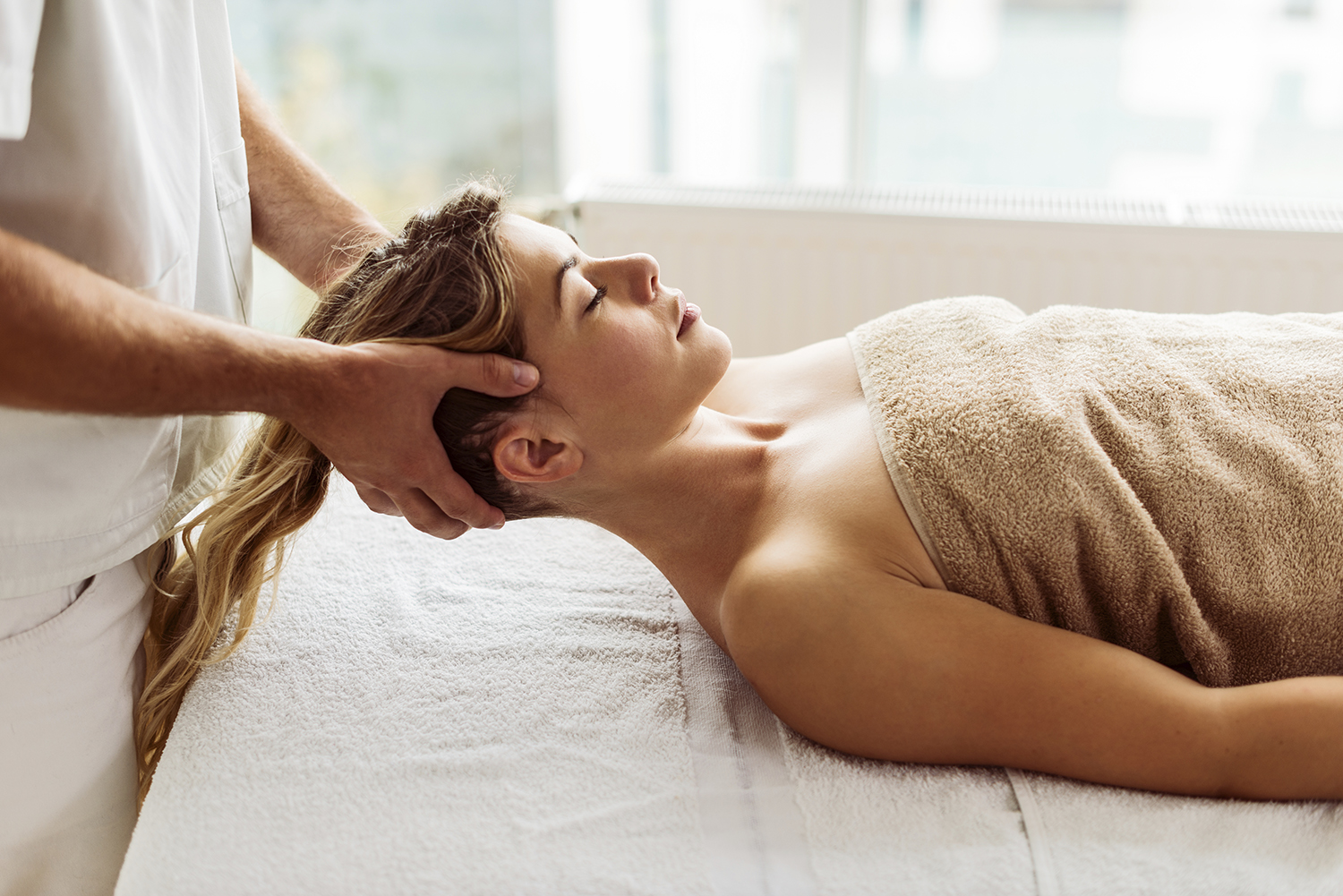
Living with fibromyalgia can feel like an endless cycle of pain, fatigue, and frustration. This complex chronic pain disorder affects an estimated 2-4% of Canadians, with women being disproportionately affected at rates up to 90% of all diagnoses. While there’s no single cure for fibromyalgia, emerging research shows that complementary therapies—particularly massage therapy—can provide meaningful relief when integrated into a comprehensive treatment plan.
Head massage, in particular, offers unique benefits for fibromyalgia patients, addressing not only the widespread pain characteristic of the condition but also the specific scalp sensitivity and tension headaches that many experience. With 75% of fibromyalgia patients seeking massage therapy as part of their care, understanding how head massage can complement traditional treatments is crucial for those navigating this challenging condition.
Understanding Fibromyalgia: More Than Just Pain
The Complex Nature of Fibromyalgia
Fibromyalgia is characterised by widespread musculoskeletal pain, but it’s far more complex than a simple pain disorder. Recent research reveals that fibromyalgia is primarily a central nervous system condition affecting how the brain and spinal cord process pain signals. This explains why people with fibromyalgia experience pain from stimuli that wouldn’t typically be painful—a phenomenon called allodynia.
Core Symptoms Affecting Daily Life
Primary Symptoms:
- Widespread pain lasting more than three months
- Chronic fatigue and sleep disturbances
- Cognitive difficulties (“fibro fog”)
- Heightened sensitivity to touch, light, and sound
- Mood disorders including anxiety and depression
Secondary Symptoms:
- Tension headaches and migraines
- Scalp sensitivity and pain
- Temporomandibular joint (TMJ) disorders
- Irritable bowel syndrome
- Restless leg syndrome
The Canadian Healthcare Landscape
In Canada, fibromyalgia diagnosis often involves a lengthy process, with many patients waiting years for proper recognition of their condition. The Canadian healthcare system increasingly recognises the value of complementary therapies, with many provinces covering massage therapy when prescribed by a physician—making these treatments more accessible to fibromyalgia patients across the country.
The Science Behind Massage Therapy for Fibromyalgia
Evidence-Based Research Findings
Systematic Review Results: A comprehensive meta-analysis involving 404 patients found that massage therapy with duration ≥5 weeks significantly improved pain, anxiety, and depression in fibromyalgia patients. The research showed immediate beneficial effects that were maintained over time.
Myofascial Release Study: Research published in Evidence-Based Complementary and Alternative Medicine demonstrated that myofascial release therapy produced large, positive effects on pain reduction and medium effects on anxiety and depression when compared to placebo treatments.
Comparative Effectiveness Research: A 2014 systematic review examining different massage styles found that:
- Myofascial release: Most effective for pain, anxiety, and depression
- Connective tissue massage: Improved depression and quality of life
- Manual lymphatic drainage: Superior to other techniques for stiffness and quality of life
- Shiatsu: Enhanced pain thresholds, fatigue, sleep, and quality of life
Physiological Mechanisms
Neurochemical Changes: Massage therapy influences several key neurotransmitters involved in fibromyalgia:
- Increased serotonin: Improves mood and pain perception
- Enhanced dopamine production: Supports motivation and well-being
- Reduced cortisol levels: Decreases stress and inflammation
- Endorphin release: Provides natural pain relief
Central Sensitisation Modulation: Regular massage may help modulate the central sensitisation process that characterises fibromyalgia, potentially reducing the hypervigilance of the nervous system to pain signals.
Head Massage: Targeted Relief for Fibromyalgia
Addressing Scalp-Specific Symptoms
Many fibromyalgia patients experience significant scalp sensitivity, a symptom that’s often overlooked by healthcare providers. Research indicates that individuals with fibromyalgia commonly experience:
- Scalp dysesthesia: Abnormal sensations including burning, throbbing, and shooting pains
- Allodynia: Pain from normally non-painful stimuli like brushing hair or wearing hats
- Tender point sensitivity: Particularly around the neck, shoulders, and base of skull
- Neurogenic inflammation: Contributing to scalp pain and sensitivity
Specialised Head Massage Techniques
Gentle Scalp Stimulation: For fibromyalgia patients, traditional vigorous massage may be too intense. Specialised head massage techniques use:
- Light pressure application: 5-15 grams of pressure—equivalent to the weight of a coin
- Slow, rhythmic movements: Avoiding sudden pressure changes that could trigger pain
- Temperature therapy: Incorporating cool compresses to reduce neurogenic inflammation
- Breathing integration: Combining massage with deep breathing exercises for enhanced relaxation
Craniosacral Therapy: This ultra-gentle approach is particularly beneficial for fibromyalgia patients, using minimal pressure to:
- Release restrictions in cranial sutures
- Improve cerebrospinal fluid circulation
- Reduce tension in the dura mater
- Promote parasympathetic nervous system activation
Benefits Specific to Fibromyalgia
Immediate Relief:
- Reduced scalp pain and sensitivity
- Decreased tension headache frequency
- Improved sleep quality following treatment
- Enhanced sense of relaxation and well-being
Cumulative Benefits:
- Increased pressure pain thresholds
- Improved emotional regulation
- Enhanced cognitive function
- Better overall quality of life
Complementary Approaches in Canadian Fibromyalgia Care
Integration with Traditional Treatments
Medication Compatibility: Head massage therapy works synergistically with common fibromyalgia medications:
- Pregabalin (Lyrica): Massage enhances the nerve pain relief provided by anticonvulsants
- Duloxetine (Cymbalta): Combined therapy may amplify mood and pain benefits
- Low-dose naltrexone: Massage supports the anti-inflammatory effects
Multidisciplinary Team Approach: Canadian fibromyalgia specialists increasingly recommend team-based care including:
- Rheumatologists for medical management
- Physiotherapists for movement therapy
- Registered massage therapists for symptom management
- Psychologists for cognitive-behavioural therapy
- Occupational therapists for daily living adaptations
Evidence-Based Treatment Protocols
Frequency and Duration: Research suggests optimal outcomes with:
- Initial phase: 2 sessions per week for 5-8 weeks
- Maintenance phase: 1 session weekly or biweekly
- Session length: 30-60 minutes depending on patient tolerance
- Pressure adaptation: Starting with minimal pressure and gradually increasing as tolerated
Progress Monitoring: Canadian practitioners use validated assessment tools:
- Fibromyalgia Impact Questionnaire (FIQ)
- Visual Analogue Scale (VAS) for pain
- Pittsburgh Sleep Quality Index
- Beck Depression Inventory
Addressing Common Concerns and Contraindications
When Head Massage May Not Be Appropriate
Absolute Contraindications:
- Active scalp infections or open wounds
- Recent head trauma or concussion
- Severe migraine during acute phase
- Uncontrolled blood pressure
Relative Contraindications:
- Severe fibromyalgia flare-ups
- Extreme scalp sensitivity
- Recent medication changes
- Concurrent neurological treatments
Managing Treatment Sensitivity
Gradual Introduction Protocol:
- Assessment session: Evaluate sensitivity levels and pain patterns
- Trial treatment: 15-minute gentle session to assess tolerance
- Pressure calibration: Adjust technique based on patient response
- Progressive increase: Gradually extend duration and modify pressure as tolerated
Communication Strategies: Effective fibromyalgia massage requires:
- Continuous feedback loops during treatment
- Detailed pre-treatment consultations
- Post-treatment symptom monitoring
- Flexible scheduling to accommodate flare-ups
The Role of Stress Reduction in Fibromyalgia Management
Breaking the Pain-Stress Cycle
Fibromyalgia patients often experience a vicious cycle where:
- Chronic pain increases stress hormone production
- Elevated cortisol worsens pain sensitivity
- Poor sleep quality amplifies both pain and stress
- Anxiety about symptoms creates additional tension
Head massage interrupts this cycle by:
- Activating the parasympathetic nervous system
- Reducing cortisol and stress hormone levels
- Promoting restorative sleep patterns
- Providing a sense of control and self-care
Mental Health Benefits
Mood Enhancement: Regular head massage can help address the psychological aspects of fibromyalgia:
- Depression management: Increased serotonin production supports mood stability
- Anxiety reduction: Relaxation response helps manage fibromyalgia-related anxiety
- Cognitive function: Improved sleep and reduced pain can enhance mental clarity
- Social connection: Therapeutic touch provides emotional support
Innovative Approaches in Canadian Fibromyalgia Care
Emerging Techniques
Neurogenic Inflammation Targeting: New approaches focus on:
- Essential oil integration: Anti-inflammatory aromatherapy during massage
- Temperature therapy: Alternating cool and warm applications
- Pressure point release: Targeting specific tender points in the scalp and neck
- Lymphatic drainage: Supporting the body’s natural detoxification processes
Technology-Assisted Massage: Some Canadian clinics are incorporating:
- Vibration therapy: Low-frequency vibrations to enhance relaxation
- Biofeedback integration: Monitoring stress responses during treatment
- Customised pressure mapping: Using technology to identify optimal pressure zones
Research and Development
Canadian institutions are at the forefront of fibromyalgia research, investigating:
- Genetic factors: How individual genetics influence massage therapy response
- Biomarker tracking: Using blood tests to measure treatment effectiveness
- Neuroimaging studies: Understanding brain changes following massage therapy
- Long-term outcome studies: Tracking benefits over months and years
Practical Implementation for Canadian Patients
Finding Qualified Practitioners
Credentials to Look For:
- Registered Massage Therapist (RMT) designation
- Continuing education in chronic pain management
- Experience with fibromyalgia patients
- Training in gentle techniques like craniosacral therapy
Questions to Ask Potential Therapists:
- What experience do you have treating fibromyalgia patients?
- How do you modify techniques for heightened sensitivity?
- What’s your approach to managing treatment reactions?
- How do you coordinate with other healthcare providers?
Insurance and Accessibility
Provincial Coverage:
- Most provincial health plans cover massage therapy with physician referral
- Extended health benefits often include massage therapy coverage
- Some employers offer Employee Assistance Programs including massage
Cost-Effective Options:
- Student clinics at massage therapy schools
- Community health centres offering sliding-scale fees
- Group therapy sessions to reduce individual costs
- Self-massage education for home practice
Building a Comprehensive Self-Care Plan
Home Care Techniques
Gentle Self-Massage:
- Tennis ball therapy: Using a ball against a wall for gentle pressure point release
- Essential oil applications: Lavender or peppermint for scalp sensitivity
- Cool compress therapy: Using frozen peas or cooling pads for flare-ups
- Breathing exercises: Combining scalp massage with mindfulness techniques
Environmental Modifications:
- Pillow adjustments: Memory foam or cooling pillows for scalp comfort
- Hair care adaptations: Gentle brushes and mild shampoos for sensitive scalps
- Stress reduction: Creating calming environments for self-care practices
Lifestyle Integration
Daily Routine Adaptations:
- Morning routines: Gentle scalp massage to start the day
- Work breaks: 5-minute self-massage sessions during stressful periods
- Evening protocols: Relaxation massage before bedtime
- Flare-up management: Emergency techniques for symptom spikes
Looking Forward: The Future of Fibromyalgia Care
Personalised Medicine Approaches
Future fibromyalgia treatment will likely include:
- Genetic testing: Tailoring massage protocols based on individual genetics
- Biomarker-guided therapy: Using blood tests to optimise treatment timing
- AI-assisted care: Technology helping predict and prevent flare-ups
- Precision medicine: Customising all treatments to individual patient profiles
Research Priorities
Canadian researchers are focusing on:
- Long-term effectiveness studies: Multi-year outcome tracking
- Combination therapy research: Optimal integration of multiple treatments
- Quality of life measures: Beyond pain reduction to holistic well-being
- Healthcare system integration: Making complementary therapies more accessible
Conclusion: A Holistic Path Forward
Head massage represents a valuable component in the comprehensive management of fibromyalgia symptoms. While it’s not a cure, the growing body of evidence supports its role in reducing pain, improving sleep, managing stress, and enhancing overall quality of life for fibromyalgia patients.
For Canadians living with fibromyalgia, the integration of head massage into treatment plans offers hope for better symptom management and improved daily functioning. The key lies in working with qualified practitioners who understand the unique challenges of fibromyalgia and can adapt their techniques accordingly.
As our understanding of fibromyalgia continues to evolve, so too does our appreciation for the role of complementary therapies. Head massage, when properly implemented as part of a multidisciplinary approach, can provide meaningful relief and support for those navigating the complexities of this challenging condition.
The journey with fibromyalgia is deeply personal, and what works for one person may not work for another. However, the evidence supporting massage therapy—particularly gentle head massage—offers another tool in the toolkit for managing this complex condition. With proper medical supervision, qualified practitioners, and realistic expectations, head massage can be a valuable ally in the ongoing effort to improve quality of life for fibromyalgia patients across Canada.
.