 Grand Launch: Special Offer – Summer Wellness Package

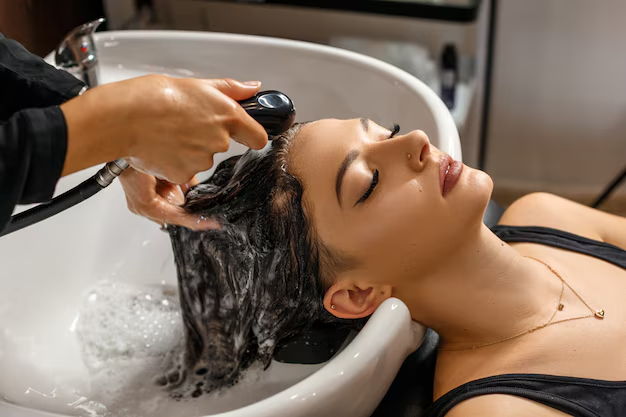
In Canada’s evolving landscape of mental health care, holistic approaches are gaining unprecedented recognition and acceptance. As Canadians increasingly seek natural, evidence-based solutions for depression and anxiety, the powerful combination of head massage with aromatherapy emerges as a compelling therapeutic option. This integrative approach, supported by growing scientific research, offers a gentle yet effective pathway to mental wellness that complements traditional treatment methods.
Understanding Depression and Holistic Treatment Approaches
The Current Mental Health Landscape in Canada
Mental health has become a mainstream concern, with attitudes toward treatment and wellness shifting dramatically. Consumers are embracing holistic health practices that integrate physical and emotional well-being, with 94% believing that taking care of mental health is crucial for overall wellness—a 46% increase from 2022.
This transformation reflects a broader understanding that true wellness encompasses much more than addressing symptoms in isolation. Today’s therapy trends show that clients increasingly seek approaches that address their entire well-being, acknowledging the interconnected nature of mental, physical, and emotional health.
The Science Behind Aromatherapy and Depression
Neurological Mechanisms: Aromatherapy works through the stimulation of the olfactory receptors in the olfactory bulb, which transmit signals to the limbic system and hypothalamus, where the brain secretes neurotransmitters such as serotonin and dopamine which further ease psychological problems.
Research Evidence: According to the 5-HT hypothesis of depression, the signs and symptoms of depression are the result of serotonin deprivation. The 5-HT hypothesis is currently the accepted hypothesis with regard to the pathophysiology of depression. The effect of essential oils on the serotonergic system has been demonstrated in various studies.
Clinical Studies: In one clinical study, community-dwelling older adults were involved in therapeutic massage/inhalation treatment combining lavender, sweet orange, and bergamot essential oils for 8 weeks. After the treatment, depressive symptoms decreased compared to the baseline assessment, as measured by the geriatric depression scale and the patient health questionnaire-9.
The Synergistic Power of Head Massage and Aromatherapy
Enhanced Therapeutic Benefits
Combined Effectiveness: The systematic review included 12 studies showing that aromatherapy massage could significantly reduce depression and anxiety. The discrepancy on the effectiveness suggests that when comparing the protocols of studies with positive findings, at least more than 4 sessions weekly or twice a week for at least 30 minutes would provide good administration settings to increase the likelihood of observing positive results.
Dual Pathway Activation: Combining head massage with aromatherapy creates a dual therapeutic pathway:
- Physical stimulation through massage activates pressure receptors and promotes circulation
- Olfactory stimulation through essential oils directly impacts the limbic system and emotional centres
Neurobiological Changes
Neurotransmitter Optimization: The effect of essential oils combined with massage on neurotransmitters has been particularly significant. Studies show that after a 4-week treatment program with essential oils and massage, the level of anxiety and depression decreased, while the plasma BDNF level (reflecting the brain tissue level of BDNF) significantly increased.
Stress Hormone Regulation: Research demonstrates that aromatherapy massage can significantly reduce stress hormones including cortisol, epinephrine, and norepinephrine, while improving blood pressure and heart rate—creating optimal conditions for mental health recovery.
Evidence-Based Essential Oil Selection for Depression
Primary Essential Oils for Mental Wellness
Lavender (Lavandula angustifolia):
- Most extensively researched for depression and anxiety
- Proven to reduce cortisol levels and promote serotonin production
- Particularly effective for sleep-related depression symptoms
- Safe for daily use with minimal side effects
Bergamot (Citrus bergamia):
- Unique ability to be both uplifting and calming
- Effective for relieving feelings of depression and improving mood
- Helps with anxious and sad feelings
- Contains compounds that support emotional balance
Sweet Orange (Citrus sinensis):
- Naturally mood-lifting and energizing
- Effective in combination protocols for depression
- Supports dopamine production
- Particularly beneficial for seasonal depression
Rosemary (Rosmarinus officinalis):
- Enhances circulation and mental clarity
- Supports cognitive function often impaired in depression
- Energizing properties help combat fatigue
- Stimulates hair follicles while providing mental benefits
Advanced Blending Protocols
Depression-Specific Blend #1:
- 3 drops Lavender
- 2 drops Bergamot
- 1 drop Sweet Orange
- Mix with 1 tablespoon carrier oil (jojoba or sweet almond)
Anxiety-Depression Blend #2:
- 3 drops Lavender
- 2 drops Chamomile
- 1 drop Rosemary
- Mix with 1 tablespoon carrier oil
Energizing Depression Blend #3:
- 2 drops Bergamot
- 2 drops Peppermint
- 2 drops Rosemary
- Mix with 1 tablespoon carrier oil
Professional Head Massage Techniques for Depression Relief
Comprehensive Scalp Massage Protocol
Preparation Phase (5 minutes):
- Environment Setup: Create a calming atmosphere with dim lighting and soft music
- Oil Preparation: Warm the aromatherapy blend between palms
- Breathing Exercise: Guide the client through 3-5 deep breaths to activate the parasympathetic nervous system
Active Treatment Phase (20-30 minutes):
Temple Activation (5 minutes):
- Apply gentle pressure to temples using circular motions
- Focus on the temporalis muscle to release tension
- Gradually increase pressure based on client comfort
- Stimulates areas related to emotional processing and stress relief
Frontal Lobe Stimulation (5 minutes):
- Use fingertips to massage forehead with slow, deliberate strokes
- Work from center outward toward temples
- Target executive function areas often affected by depression
- Promotes mental clarity and emotional regulation
Crown and Vertex Massage (8 minutes):
- Apply the aromatherapy blend to the crown of the head
- Use circular motions with moderate pressure
- Cover entire scalp systematically
- Stimulates circulation and promotes endorphin release
Occipital Region Treatment (7 minutes):
- Focus on the base of skull and upper neck
- Target suboccipital muscles often tight with depression
- Use gentle kneading motions
- Promotes relaxation and stress hormone reduction
Integration Phase (5 minutes):
- Light stroking movements across entire scalp
- Gentle pressure point stimulation
- Allow client to rest and integrate the experience
Self-Administered Techniques for Daily Practice
Morning Energizing Routine (10 minutes):
Step 1: Preparation
- Apply 2-3 drops of energizing blend to palms
- Warm between hands
- Take 3 deep breaths of the aroma
Step 2: Activation
- Start at temples with small circular motions (2 minutes)
- Move to crown with gentle pressure (3 minutes)
- Work down to neck and shoulder tension points (3 minutes)
- Finish with light stroking movements (2 minutes)
Evening Calming Routine (15 minutes):
Step 1: Stress Release
- Use calming lavender-based blend
- Begin with breathing exercises (3 minutes)
- Focus on tension release at base of skull (5 minutes)
- Include neck and shoulder massage (5 minutes)
- End with meditation or quiet reflection (2 minutes)
The Canadian Integrative Approach to Mental Health
Healthcare System Integration
Collaborative Care Models: Canada’s healthcare system increasingly recognizes the value of complementary therapies in mental health treatment. As mental health takes centre stage, holistic approaches are transforming how care is accessed, making it easier for those seeking comprehensive treatment options.
Evidence-Based Practice: The emphasis on evidence-based complementary therapies aligns with Canada’s commitment to safe, effective healthcare. Research demonstrates that aromatherapy massage can provide quantifiable psychological effects, suggesting possible advantages in the treatment of mental health issues like anxiety and depression.
Cultural Considerations in Treatment
Trauma-Informed Care: Approximately 64% of adults have experienced at least one traumatic event in their lifetimes. In response to this reality, mental health practitioners are embracing trauma-informed care that recognizes the widespread impact of trauma on individuals’ lives.
Inclusive Treatment Approaches: Modern therapy in 2024 is becoming more comprehensive, as clients increasingly seek approaches that address their entire well-being—not just mental health in isolation. This holistic therapy acknowledges the interconnected nature of mental, physical, and emotional health.
Trending Mental Health and Wellness Applications
Technology-Enhanced Therapy
AI-Powered Support: AI-driven solutions are enabling personalized wellness experiences that cater to individual needs. When combined with aromatherapy head massage, technology can track mood patterns and suggest optimal essential oil blends and massage timing.
Wearable Integration: The rise of wearable and smart health gadgets empowers consumers to track and improve their mental and physical wellness. These devices can monitor stress levels and cortisol patterns to optimize aromatherapy massage protocols.
Workplace Mental Health Programs
Corporate Wellness Integration: Services like aromatherapy and massage are sought not only for their physical benefits but also for their ability to reduce stress and improve mental and emotional health. The survey indicates that 58% of respondents use these services to reduce stress or anxiety.
Preventive Mental Health: Companies are incorporating aromatherapy massage into employee wellness programs, recognizing that preventive mental health measures reduce healthcare costs and improve productivity.
Specialized Protocols for Different Depression Types
Seasonal Affective Disorder (SAD)
Light and Aroma Combination:
- Use energizing citrus oils (bergamot, sweet orange)
- Combine with vitamin D-supporting massage techniques
- Focus on morning treatments to regulate circadian rhythms
- Include peppermint for alertness and energy
Anxiety-Related Depression
Calming Protocol:
- Emphasize lavender and chamomile oils
- Use slower, more deliberate massage strokes
- Include breathing exercises throughout treatment
- Focus on parasympathetic nervous system activation
Treatment-Resistant Depression
Intensive Support Protocol:
- Multiple sessions per week (3-4 times)
- Longer treatment duration (45-60 minutes)
- Combination of multiple essential oils
- Integration with other holistic therapies
Safety Considerations and Contraindications
Essential Oil Safety
Patch Testing: Always perform a patch test before using new essential oils, especially for clients with sensitive skin or allergies.
Pregnancy and Nursing: Review the pregnancy guidelines from the International Federation of Professional Aromatherapists (IFPA) to avoid oils that could cause problems.
Medication Interactions: Some essential oils may interact with antidepressant medications. Always consult with healthcare providers before beginning aromatherapy treatments.
Quality Assurance: While research suggests there are health benefits, the FDA doesn’t monitor or regulate the purity or quality of essential oils. It’s important to source from reputable suppliers.
Treatment Contraindications
When to Avoid Aromatherapy Massage:
- Active psychotic episodes
- Severe allergic reactions to fragrances
- Recent head or neck injuries
- Certain skin conditions
- Respiratory conditions like severe asthma
Building a Sustainable Practice
Creating Therapeutic Routines
Weekly Protocol Structure:
- 2-3 professional sessions per week during acute phases
- Daily self-administered treatments
- Progressive reduction to maintenance levels
- Integration with other mental health treatments
Environmental Optimization:
- Consistent treatment space setup
- Quality essential oil storage
- Proper lighting and music selection
- Temperature control for comfort
Measuring Progress and Outcomes
Tracking Methods:
- Mood diary integration
- Sleep quality monitoring
- Stress level assessments
- Professional mental health evaluations
Adjustment Protocols:
- Regular blend modifications based on response
- Seasonal adjustments for oil selection
- Intensity modifications based on depression severity
- Integration feedback from healthcare providers
The Economic Benefits of Preventive Mental Health Care
Cost-Effectiveness Analysis
According to the Canadian Massage Therapist Alliance (CMTA), the industry contributes approximately $3 billion to the Canadian economy each year, reflecting the growing recognition of complementary therapies’ healthcare value.
Long-Term Healthcare Savings:
- Reduced antidepressant medication dependence
- Decreased emergency mental health interventions
- Improved workplace productivity
- Enhanced quality of life metrics
Accessibility Considerations:
- Insurance coverage advocacy
- Community program development
- Training for healthcare providers
- Public education initiatives
Professional Training and Certification
Aromatherapy Massage Specialization
Required Competencies:
- Understanding of depression and anxiety disorders
- Essential oil safety and contraindications
- Massage therapy techniques for mental health
- Trauma-informed care principles
Continuing Education:
- Updates on mental health research
- New essential oil applications
- Integration with conventional treatments
- Cultural competency development
Finding Qualified Practitioners in Toronto
Selection Criteria
When seeking aromatherapy head massage for depression relief in Toronto, look for practitioners who:
Professional Qualifications:
- Licensed massage therapy credentials
- Aromatherapy certification from recognized institutions
- Mental health training or specialization
- Trauma-informed care education
Treatment Approach:
- Evidence-based practice integration
- Collaborative care with healthcare providers
- Individualized treatment planning
- Progress monitoring systems
Safety Protocols:
- Comprehensive intake assessments
- Essential oil quality standards
- Emergency response training
- Professional liability insurance
For those ready to explore the therapeutic benefits of aromatherapy head massage for depression relief, scheduling a consultation with an experienced practitioner can be the first step toward comprehensive mental wellness.
Future Directions in Aromatherapy and Mental Health
Emerging Research Areas
Microbiome-Mental Health Connection: New research is linking specific bacterial groups with several mental health conditions, suggesting that aromatherapy’s effects on the gut-brain axis may play a role in depression treatment.
Personalized Medicine Approaches: Advances in understanding individual biochemical patterns may lead to highly customized essential oil prescriptions based on genetic and metabolic factors.
Digital Integration: The convergence of technology and aromatherapy massage may include:
- AI-guided essential oil selection
- Biometric feedback during treatment
- Virtual reality-enhanced relaxation
- Remote monitoring of treatment outcomes
Policy and Healthcare Integration
Regulatory Development: Increasing research validation may lead to formal inclusion of aromatherapy massage in mental health treatment guidelines.
Insurance Coverage: Growing evidence base supports potential coverage for complementary mental health therapies.
Professional Standards: Development of specialized certification programs for mental health-focused aromatherapy practice.
Community and Social Connections
Building Support Networks
Group Aromatherapy Sessions: Community-based programs that combine aromatherapy massage with peer support for depression recovery.
Family Training Programs: Teaching family members basic aromatherapy massage techniques to support loved ones with depression.
Cultural Integration: Adapting aromatherapy massage practices to align with diverse cultural backgrounds and healing traditions present in Canada’s multicultural society.
Conclusion: A Holistic Path to Mental Wellness
The combination of head massage with aromatherapy represents more than just a complementary therapy—it embodies a comprehensive approach to mental health that honors the interconnected nature of mind, body, and spirit. As research continues to validate its effectiveness and safety, this therapeutic modality offers Canadians a valuable tool in their mental wellness toolkit.
The evidence is compelling: regular aromatherapy head massage can significantly reduce depression and anxiety symptoms, improve sleep quality, enhance mood regulation, and support overall emotional well-being. When integrated with conventional mental health treatments, it provides a holistic approach that addresses both the symptoms and underlying factors contributing to depression.
What makes this approach particularly valuable is its accessibility and empowerment potential. While professional treatments offer the most comprehensive benefits, the ability to incorporate self-administered techniques into daily routines provides individuals with practical tools for ongoing mental health maintenance.
As we move forward in an era where mental health awareness and holistic care are becoming increasingly important, aromatherapy head massage stands as a bridge between ancient healing wisdom and modern scientific understanding. It offers hope, healing, and empowerment to those seeking natural ways to support their mental health journey.
Remember that while aromatherapy head massage can be a powerful complement to depression treatment, it should not replace professional mental health care. The most effective approach involves collaboration between qualified massage therapists, aromatherapy practitioners, and licensed mental health professionals to create a comprehensive treatment plan tailored to individual needs.
Whether you’re dealing with seasonal depression, chronic anxiety, or simply seeking to enhance your mental wellness routine, the combination of therapeutic touch and carefully selected essential oils offers a pathway to greater emotional balance and well-being. In Canada’s evolving healthcare landscape, this integrative approach represents the future of mental health care—one that treats the whole person with compassion, science, and hope.
For more information about depression and mental health resources in Canada, visit Mental Health Commission of Canada or explore resources from Health Canada’s Mental Health Services.