 Grand Launch: Special Offer – Summer Wellness Package
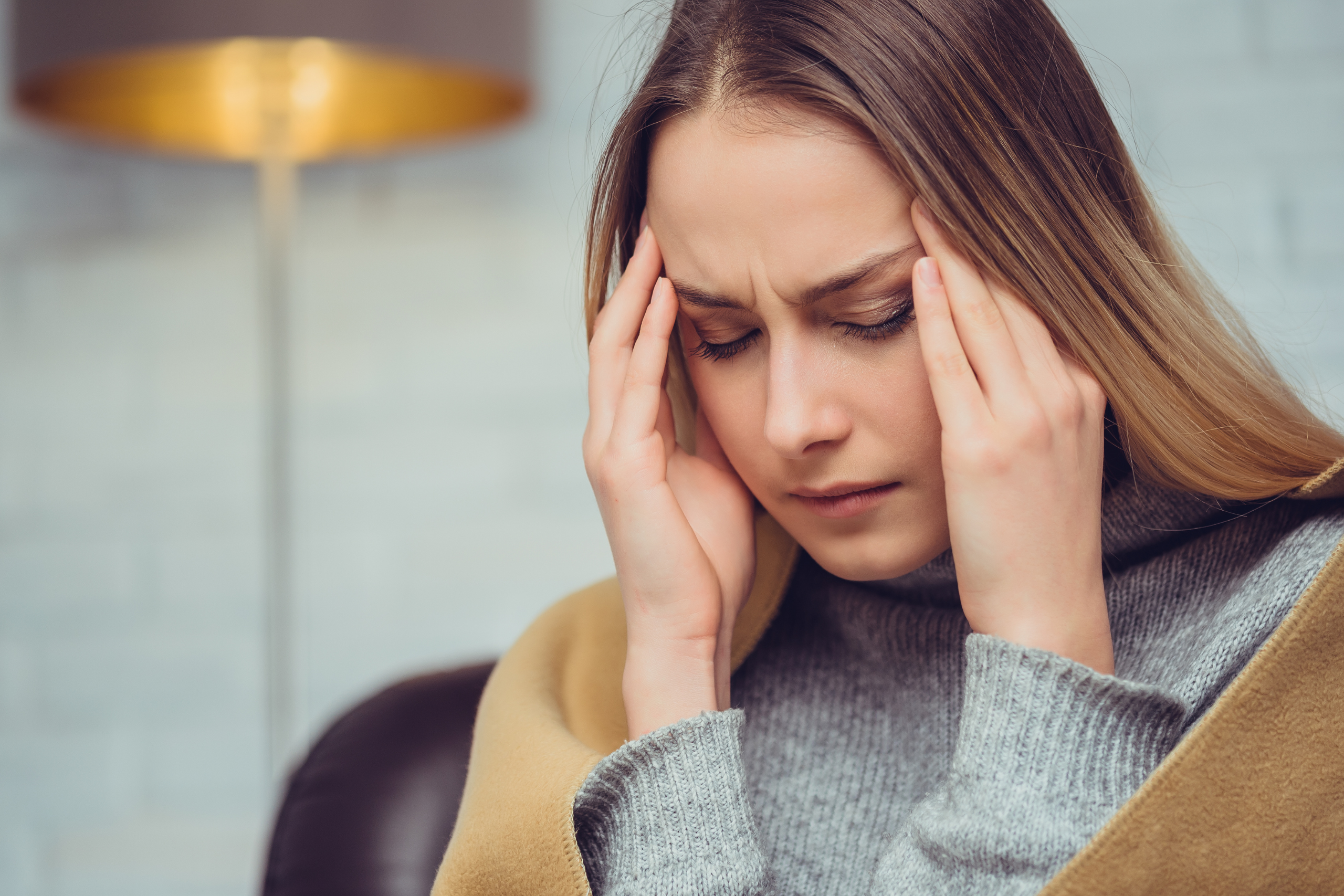
As Canadians increasingly embrace home wellness routines, self-administered head massage has emerged as one of the most accessible and effective stress-relief techniques available. With Japanese head spas experiencing a 233% increase in searches year-over-year and TikTok’s #headspa accumulating over 919 million views, the demand for at-home scalp massage knowledge has never been higher. This comprehensive guide will teach you professional-grade techniques you can perform in the comfort of your own home, helping you achieve the relaxation and therapeutic benefits typically reserved for spa visits.
The Science Behind Self-Head Massage: Why It Works
Neurological Benefits
Self-massage is using your hands, tools, or objects to work on sore muscles and adhesions instead of seeing a licensed massage therapist or bodywork professional. When performed correctly, self-head massage activates several beneficial physiological responses:
Stress Hormone Regulation: Regular scalp massage significantly reduces cortisol levels while promoting the release of serotonin and endorphins – your body’s natural “feel-good” chemicals.
Improved Circulation: Massage stimulates blood flow to the scalp and brain, delivering essential nutrients and oxygen while removing metabolic waste products that contribute to tension and fatigue.
Parasympathetic Activation: The gentle pressure and rhythmic movements activate your body’s rest-and-digest response, counteracting the chronic stress response that plagues many Canadians.
Essential Preparation: Setting Up Your Home Head Spa
Creating the Optimal Environment
Transform any space in your home into a therapeutic environment with these professional tips:
Temperature Control: Maintain a room temperature between 20-22°C for optimal muscle relaxation Lighting: Use soft, warm lighting or candles to promote relaxation Sound: Play gentle background music, nature sounds, or maintain comfortable silence Aromatherapy: Consider diffusing lavender, peppermint, or eucalyptus essential oils
Tools and Materials You’ll Need
While your hands are the most important tool, these additional items can enhance your experience:
- Quality massage oil (coconut, jojoba, or rosemary oil are excellent choices)
- Clean towel for protecting clothing and easy cleanup
- Hair ties or clips to keep hair out of your face
- Optional tools: scalp massager, jade roller, or gua sha tool
- Comfortable seating or cushioned surface
Step-by-Step Professional Techniques
Phase 1: Initial Relaxation and Preparation (5 minutes)
Step 1: Postural Setup
- Sit comfortably in a chair with good back support or cross-legged on a cushioned surface
- Lower your shoulders away from your ears, releasing upper body tension
- Straighten your neck and back to establish proper alignment
- Take five deep breaths through your nose, exhaling slowly through your mouth
Step 2: Hand Preparation
- Warm your hands by rubbing them together vigorously for 15 seconds
- Apply 3-4 drops of massage oil to your palms if using
- Distribute oil evenly across both palms and fingertips
- Test temperature by touching your inner wrist to ensure comfort
Phase 2: Scalp Massage Foundation (10-15 minutes)
Step 3: The Crown Technique
- Place fingertips at the very top of your head (crown chakra area)
- Apply gentle pressure using the pads of all five fingers
- Move in small circular motions for 30 seconds in one direction
- Reverse direction and repeat for another 30 seconds
- Gradually increase pressure based on comfort level
Step 4: Temple Release Method
- Position thumbs on both temples simultaneously
- Apply moderate pressure while making small circles
- Work from temples toward hairline with slow, deliberate movements
- Hold sustained pressure for 10-15 seconds on any tender spots
- Coordinate breathing – inhale during pressure application, exhale during release
Step 5: Forehead Tension Relief
- Place fingertips along your hairline at the forehead
- Apply firm pressure and slowly drag fingers upward toward the crown
- Repeat this motion 5-7 times across the entire forehead
- Focus extra attention on areas that feel tight or tender
- End with gentle tapping using fingertips across the forehead
Phase 3: Deep Scalp Work (15-20 minutes)
Step 6: The Shampooing Technique This mimics professional head spa methods and is highly effective for stress relief:
- Wet your fingertips slightly (optional) for better glide
- Start at the nape of your neck where the skull meets the spine
- Use all fingertips to create gentle scratching motions
- Work systematically from back to front, covering every inch of scalp
- Vary pressure from light to moderate based on sensitivity
- Spend 2-3 minutes in each section: back, sides, and top
Step 7: Pressure Point Activation Target specific acupressure points known for stress relief:
Point 1: Yintang (Third Eye)
- Location: Between eyebrows, at the center of forehead
- Technique: Apply gentle pressure with middle finger for 30 seconds
- Benefits: Reduces mental fatigue and promotes clarity
Point 2: Baihui (Governing Vessel)
- Location: Top of head, at the intersection of a line from ear to ear and nose to neck
- Technique: Press gently with thumb while breathing deeply
- Benefits: Calms the mind and relieves headaches
Point 3: Fengchi (Wind Pool)
- Location: Base of skull, in the hollow areas on either side of the neck
- Technique: Apply firm pressure with thumbs for 45 seconds
- Benefits: Reduces neck tension and improves mental clarity
Phase 4: Advanced Techniques (10-15 minutes)
Step 8: Hair Tugging Method This technique provides deep stimulation and promotes hair health:
- Gather small sections of hair between your fingers
- Gently tug upward away from the scalp
- Hold for 3-5 seconds then release
- Work systematically across entire head
- Avoid excessive force – the sensation should be invigorating, not painful
Step 9: Knuckling Technique Using knuckles provides deeper pressure for stubborn tension:
- Form loose fists with both hands
- Use knuckles to apply circular pressure on scalp
- Start with light pressure and gradually increase
- Focus on areas that felt tense during initial massage
- Continue for 5-7 minutes total
Step 10: Integration and Finishing
- Return to gentle fingertip circles across entire scalp
- Include neck and shoulder massage for comprehensive relief
- End with light feathering strokes from crown to nape
- Take three deep breaths to anchor the relaxation response
Incorporating Essential Oils: The Canadian Approach
Trending Oil Combinations for 2025
Rosemary and Peppermint Blend Rosemary hair oil took TikTok by storm last year, with beauty enthusiasts discovering that applying the oil 2-3 times a week can dramatically improve hair health and promote growth. Combine with peppermint for enhanced circulation.
Mixing Ratio: 3 drops rosemary + 2 drops peppermint + 1 tablespoon carrier oil
Lavender and Chamomile Relaxation Perfect for evening massage sessions and promoting better sleep quality.
Application Method:
- Dilute properly – never apply essential oils directly to scalp
- Test patch on inner wrist before full application
- Apply to palms first, then distribute through fingertips
- Avoid eye area completely during massage
Technology Integration: 2025 Home Wellness Trends
Smart Massage Tools
The growing demand for portable massage devices and home wellness solutions has introduced innovative tools for self-massage:
Scalp Massagers with Heat Therapy Expect 10-12% year-over-year growth in portable massage devices, fueled by hybrid work and home wellness trends. Look for devices that combine vibration with gentle warming.
App-Connected Wellness Tracking Several apps now help you:
- Track massage frequency and duration
- Monitor stress levels before and after sessions
- Set reminders for daily self-care routines
- Access guided massage videos for technique improvement
Timing and Frequency: Optimising Your Routine
Daily Maintenance Protocol (5-10 minutes)
Morning Energiser:
- 2 minutes temple massage to awaken the mind
- 3 minutes scalp stimulation for increased alertness
- Focus on pressure points that promote mental clarity
Evening Wind-Down:
- 5 minutes gentle crown massage for relaxation
- 5 minutes neck and shoulder release
- Incorporate essential oils for enhanced sleep preparation
Weekly Intensive Sessions (30-45 minutes)
Weekend Self-Care Ritual:
- Complete all phases outlined in the step-by-step guide
- Include hot oil treatment for deep nourishment
- Follow with gentle stretching and meditation
- Document improvements in stress levels and sleep quality
Addressing Common Challenges
Problem: Limited Hand Strength or Mobility
Solution: Use alternative tools and modified techniques
- Scalp massaging brushes for those with arthritis
- Gentle tapping motions instead of deep pressure
- Partner assistance for hard-to-reach areas
- Shorter, more frequent sessions to prevent fatigue
Problem: Oily Hair Concerns
Solution: Dry massage techniques and oil-free options
- Focus on pressure points without oils
- Use dry brushing before washing hair
- Time sessions before regular hair washing
- Choose light, non-comedogenic oils if desired
Safety Considerations and Contraindications
When to Avoid Self-Head Massage
- Recent head injury or concussion
- Active scalp infections or open wounds
- Severe headaches of unknown origin
- High blood pressure (consult healthcare provider first)
- Pregnancy complications (seek professional guidance)
Warning Signs to Watch For
Stop immediately and consult a healthcare professional if you experience:
- Sudden severe headache during or after massage
- Dizziness or nausea that persists
- Visual disturbances or changes
- Numbness or tingling in face or hands
Measuring Your Success
Tracking Improvement Indicators
Stress Level Assessment:
- Rate stress on a 1-10 scale before and after each session
- Track weekly averages to identify improvement patterns
- Note any correlation with sleep quality improvements
Physical Tension Monitoring:
- Assess headache frequency and intensity
- Monitor neck and shoulder tension levels
- Track jaw clenching or teeth grinding habits
Sleep Quality Metrics:
- Record time to fall asleep after evening massage
- Note improvement in sleep depth and duration
- Track morning energy levels and mental clarity
Creating Your Personal Massage Protocol
Customisation Based on Individual Needs
For Stress Relief:
- Focus on temple and crown techniques
- Incorporate deep breathing throughout
- Use calming essential oils like lavender
- Schedule regular evening sessions
For Headache Prevention:
- Emphasise pressure point work
- Include neck and shoulder massage
- Perform at first sign of tension
- Track triggers and preventive timing
For Hair Health:
- Include hair tugging and stimulation techniques
- Use growth-promoting oils like rosemary
- Massage 2-3 times weekly for optimal results
- Combine with proper nutrition and hydration
The Future of Home Wellness in Canada
2025 Trends Impacting Self-Care
As the wellness economy projects growth to nearly $9 trillion by 2028, home-based self-care practices are becoming increasingly sophisticated. Canadian consumers are embracing:
- Personalised wellness routines based on individual health data
- Integration of mental health practices with physical self-care
- Sustainable and eco-friendly massage products and tools
- Community sharing of techniques through social media platforms
Professional Integration
Many Canadians are combining self-massage with professional treatments:
- Learning techniques during professional sessions to practice at home
- Using self-massage to extend benefits between appointments
- Sharing progress with healthcare providers and massage therapists
- Incorporating feedback from professionals to improve technique
Taking Action: Your Self-Massage Journey
The evidence is clear: regular self-head massage can provide significant stress relief, improved circulation, and enhanced overall wellbeing when performed consistently and correctly. As more Canadians embrace home wellness routines, mastering these techniques positions you to take control of your stress management and self-care.
Getting Started Today:
- Set aside 15 minutes for your first session using the basic techniques
- Create a calm environment with minimal distractions
- Start gentle and gradually increase pressure as comfort allows
- Track your experience in a journal or wellness app
Building Long-Term Success:
- Establish consistent timing that fits your schedule
- Experiment with different techniques to find what works best
- Invest in quality tools and oils as your practice develops
- Consider professional guidance to refine your technique
Professional Support When Needed
While self-massage provides excellent benefits, professional treatment offers deeper therapeutic work and personalised guidance. If you’re looking to enhance your self-massage practice or need more intensive treatment, consider booking a session with experienced practitioners who can teach you advanced techniques and assess your individual needs.
Visit https://headspatoronto.ca/how-to-book/ to schedule a consultation where professionals can evaluate your technique, recommend personalised approaches, and help you integrate self-massage into a comprehensive wellness routine. Learning from experts enhances your home practice and ensures you’re getting maximum benefit from your self-care efforts.
Remember, the most effective wellness routine is one you can maintain consistently. Start with simple techniques, build your skills gradually, and don’t hesitate to seek professional guidance when needed. Your journey to better health and stress management begins with a single session – why not start today?
For additional information about self-massage techniques and their scientific benefits, explore Healthline’s comprehensive self-massage guide or visit the Wikipedia page on massage therapy for historical and clinical context. For Canadian healthcare resources and wellness guidelines, consult Health Canada’s wellness recommendations for evidence-based health practices.