 Grand Launch: Special Offer – Summer Wellness Package

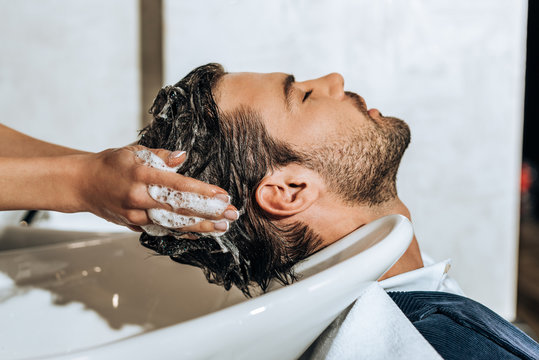
Temporomandibular joint disorders (TMJ) affect 20 to 40% of the adult population, making jaw pain one of the most common musculoskeletal complaints Canadians face today. While traditional treatments often focus solely on dental interventions, emerging research demonstrates that specialized head massage techniques can provide significant relief for TMJ symptoms. As massage therapy becomes increasingly personalized in 2025, targeted approaches to TMJ treatment are revolutionising how we address jaw disorders through non-invasive, holistic care.
Understanding TMJ Disorders: The Canadian Perspective
What is TMJ Dysfunction?
The temporomandibular joint acts as a sophisticated hinge connecting your jawbone to your skull, enabling essential daily functions like speaking, chewing, and yawning. When this complex system becomes dysfunctional, it can manifest as:
- Muscular pain when chewing, swallowing, or speaking
- Restricted movement, such as limitations when opening the mouth
- Joint sounds including clicking, popping, or grinding
- Headaches and facial pain extending beyond the jaw area
- Neck and shoulder tension due to compensatory muscle patterns
The Canadian Healthcare Context
In Canada, TMJ disorders are increasingly recognised as complex conditions requiring multidisciplinary approaches. Research from 2021 concludes that conservative manual techniques of physical therapy, including massage, are highly beneficial in relieving TMJD management, with significant improvements in pain relief and maximal mouth opening.
The Science Behind Head Massage for TMJ Relief
Neurophysiological Mechanisms
Head massage addresses TMJ dysfunction through multiple therapeutic pathways:
1. Muscle Tension Reduction When the jaw muscles are overly tight or imbalanced, manual therapy works well to help restore normal muscle tone and balance between TMJ muscles. The concept is no different than dealing with a sore hamstring or shoulder – you’re just working out the kinks in a different muscle group.
2. Trigger Point Release A massage can help mend those muscles, as direct pressure releases muscle knots (trigger points) that may be behind your discomfort. Kneading the tissue can help unravel ropey muscle fibers and bring relief.
3. Circulatory Enhancement Friction massage is generally used to increase circulation to an area, promoting healing and reducing inflammation in the affected tissues.
Professional TMJ Massage Techniques: The 2025 Approach
Comprehensive Assessment Protocol
Before beginning any TMJ massage treatment, a thorough evaluation is essential. Modern massage therapists in Canada now incorporate:
- Visual and palpatory assessment of facial asymmetry
- Range of motion testing for jaw opening, lateral movement, and protrusion
- Muscle tension evaluation in the masseter, temporalis, and pterygoid muscles
- Postural analysis to identify contributing factors from neck and shoulder positioning
External Head Massage Techniques
The Masseter Muscle Release
The masseter muscle, located between your mouth and ear below the cheekbone, is often the primary culprit in TMJ pain.
Technique:
- Locate the masseter muscle by placing two or three fingers below your cheekbone
- Relax your jaw completely, allowing your mouth to fall slightly open
- Apply gentle pressure while moving your fingers in circular motions
- Knead the muscle from top to bottom and back again for 30-60 seconds
- Repeat on both sides, adjusting pressure based on tolerance
Temporal Region Treatment
The temporalis muscle extends from your temple area and plays a crucial role in jaw closure and clenching patterns.
Technique:
- Place fingertips on both temples simultaneously
- Apply moderate pressure using small circular motions
- Work systematically from the hairline down toward the ear
- Hold sustained pressure for 10-15 seconds on tender points
- Integrate breathing – inhale during pressure application, exhale during release
Suboccipital Release for TMJ
The connection between neck tension and TMJ dysfunction is well-established in current research.
Technique:
- Position fingers at the base of the skull, just above the neck
- Apply gentle upward pressure while tilting the head slightly forward
- Hold for 30 seconds allowing the muscles to release
- Slowly rotate the head left and right while maintaining pressure
- Follow with gentle neck stretches to maintain the release
Advanced Intra-Oral Techniques: Professional Applications
Note: Intra-oral massage should only be performed by trained professionals
Many Canadians don’t realise that registered massage therapists (RMTs) are able to help with TMJ complaints, or that doing intra-oral work is part of their scope of practice. A portion of RMT training is designated to both assessment and treatment of TMJ dysfunction.
Pterygoid Muscle Access
The medial and lateral pterygoid muscles, located inside the mouth, are often inaccessible through external massage alone.
Professional Protocol:
- Sterile glove application and proper hand hygiene
- Gentle insertion of index finger along the inner cheek
- Careful palpation to locate muscle tension
- Slow, sustained pressure with client breathing coordination
- Communication maintained throughout for comfort and safety
Self-Massage Techniques for Daily TMJ Management
Morning Routine (5-10 minutes)
Begin each day with gentle activation to prepare the jaw for daily activities:
- Warm-up circles: Place palms on both cheeks and make 10 slow circles in each direction
- Jaw joint mobilisation: Fingertips on TMJ joint, gentle pressure while opening/closing mouth 5 times
- Trigger point release: Locate tender spots on masseter muscle and apply sustained pressure for 20 seconds
Evening Wind-Down Protocol (10-15 minutes)
End the day by releasing accumulated tension:
- Heat application: Warm compress for 5 minutes to increase tissue pliability
- Progressive muscle release: Work from temples down to jawline with increasing pressure
- Stretching integration: Gentle jaw opening exercises combined with massage
- Relaxation breathing: Deep diaphragmatic breathing while maintaining light jaw massage
The Role of Breathing in TMJ Head Massage
Stress Connection
As Canadians have experienced increased stress levels, particularly since the pandemic, the correlation between tension in the body and jaw clenching has become more evident. Diaphragmatic breathing is one of many techniques now taught to clients living with TMJ pain.
Integrated Breathing Techniques:
- Inhale during muscle preparation and positioning
- Exhale slowly during pressure application and release
- Hold breath briefly during sustained pressure on trigger points
- Return to normal breathing during transition between techniques
Technology Integration in TMJ Massage: 2025 Trends
Advanced Assessment Tools
Modern massage therapy clinics in Canada are incorporating technology to enhance TMJ treatment:
- Pressure mapping devices to quantify muscle tension
- Range of motion apps for precise measurement tracking
- Biofeedback integration during massage sessions
- Virtual reality relaxation to enhance treatment outcomes
Home Care Applications
- Massage device recommendations for daily self-care
- Mobile apps for guided self-massage techniques
- Progress tracking platforms to monitor improvement
- Telehealth integration for remote guidance
Creating an Optimal Treatment Environment
Professional Setting Standards
The relationship of positivity, safety, and trust between therapist and client is most important due to the vulnerability of TMJ treatment.
Environmental Factors:
- Temperature control (20-22°C for optimal muscle relaxation)
- Lighting (dimmed to promote parasympathetic activation)
- Sound management (soft, consistent background noise)
- Positioning options (multiple pillow supports for jaw comfort)
Client Communication Protocol
- Pressure check-ins every 2-3 minutes during treatment
- Pain scale monitoring (0-10 scale) throughout session
- Breathing coordination cues during intensive techniques
- Post-treatment feedback collection for session optimisation
Evidence-Based Treatment Frequencies and Durations
Clinical Research Findings
Some people schedule weekly or monthly TMJ massage visits with a chiropractor, physical therapist or other massage professional to keep the joint working well. An average session may last about 30 minutes.
Recommended Treatment Protocols:
Acute TMJ Flare-up:
- Frequency: 2-3 times per week for 2-3 weeks
- Duration: 30-45 minutes per session
- Focus: Pain reduction and basic function restoration
Chronic TMJ Management:
- Frequency: Weekly sessions for 6-8 weeks, then bi-weekly maintenance
- Duration: 45-60 minutes including assessment and home care education
- Focus: Long-term function improvement and prevention
Maintenance Protocol:
- Frequency: Monthly sessions
- Duration: 30-45 minutes
- Focus: Tension monitoring and technique refinement
Integration with Canadian Healthcare System
Collaborative Care Approach
Working with Dental Professionals: TMJ massage therapy complements traditional dental treatments such as:
- Night guards for bruxism management
- Orthodontic treatment for bite alignment
- Dental restorations affecting jaw positioning
Physical Therapy Coordination:
- Postural correction exercises addressing neck and shoulder contributions
- Jaw strengthening protocols for long-term stability
- Movement re-education for proper jaw mechanics
Medical Integration:
- Physician referrals for comprehensive pain management
- Specialist consultations when structural issues are suspected
- Medication management coordination for optimal treatment outcomes
Home Care and Self-Management Strategies
Daily Maintenance Techniques
The 3-Minute Morning Reset:
- Jaw joint warming (30 seconds each side)
- Masseter muscle release (1 minute)
- Gentle range of motion (30 seconds)
Workplace Tension Breaks:
- Hourly tension checks with brief self-massage
- Posture corrections to prevent compensatory patterns
- Stress breathing techniques during high-pressure situations
Evening Recovery Protocol:
- Heat therapy application (10 minutes)
- Progressive muscle relaxation focusing on jaw area
- Sleep positioning optimisation with proper pillow support
Red Flags and Professional Referral Indicators
When to Seek Immediate Professional Care
While head massage is generally safe for TMJ management, certain symptoms require immediate medical attention:
- Sudden onset of severe jaw pain
- Locking of the jaw in open or closed position
- Significant facial swelling or asymmetry
- Numbness or tingling in the face or jaw area
- Hearing changes associated with jaw movement
Progression Monitoring
Track improvement using these measurable indicators:
- Maximum mouth opening (measured in centimetres)
- Pain levels during various activities (0-10 scale)
- Sleep quality improvements
- Functional abilities (eating, speaking, yawning)
The Future of TMJ Treatment in Canada
Emerging Trends for 2025
- Personalized treatment algorithms based on individual assessment data
- AI-assisted pressure and technique recommendations
- Virtual reality integration for enhanced relaxation during treatment
- Wearable technology for continuous muscle tension monitoring
Professional Development
Massage therapists across Canada are pursuing specialized TMJ training, with programs offering:
- 90-minute TMJ treatment protocols
- Advanced intra-oral techniques
- Whole-body approaches to TMJ dysfunction
- Integration of fascial release methods
Finding Qualified TMJ Massage Practitioners in Toronto
Credentials to Verify
When seeking professional TMJ massage therapy in Toronto, ensure your practitioner has:
- Registered Massage Therapist (RMT) designation through the College of Massage Therapists of Ontario
- Specialized TMJ training with hands-on intra-oral technique certification
- Continuing education in current TMJ research and treatment methods
- Collaborative relationships with dental and medical professionals
Questions to Ask Before Treatment
- What is your experience level with TMJ disorders specifically?
- Are you trained in intra-oral massage techniques?
- How do you coordinate care with other healthcare providers?
- What home care strategies do you teach clients?
- How do you measure and track treatment progress?
Taking Action: Your TMJ Recovery Journey
The evidence is compelling: specialized head massage techniques can provide significant relief for TMJ disorders when performed correctly and consistently. As Canada continues to embrace integrative approaches to healthcare, massage therapy for TMJ is positioned to play an increasingly important role in comprehensive treatment plans.
Immediate Steps You Can Take:
- Begin with gentle self-massage using the techniques outlined above
- Monitor your symptoms using a daily pain and function diary
- Identify your triggers (stress, certain foods, sleep position)
- Consult with qualified professionals for comprehensive assessment and treatment
Professional Support in Toronto
If you’re ready to explore how professional head massage therapy can transform your TMJ experience, expert guidance is essential. TMJ disorders are complex conditions that benefit from specialized knowledge and personalized treatment approaches.
Visit https://headspatoronto.ca/how-to-book/ to schedule a consultation with experienced practitioners who understand the intricate relationships between head, neck, and jaw function. Our team of qualified professionals can assess your individual needs and develop a comprehensive treatment plan that addresses both immediate pain relief and long-term functional improvement.
Remember, you don’t have to live with TMJ pain. With proper techniques, professional guidance, and consistent self-care, significant improvement is not only possible but expected. Take the first step toward a pain-free jaw and improved quality of life today.
For additional information about TMJ disorders and treatment options, explore the Mayo Clinic’s comprehensive TMJ resource or visit the Wikipedia page on temporomandibular joint dysfunction for detailed anatomical and clinical information. For Canadian healthcare resources, consult with your provincial health authority or family physician for referrals to qualified professionals.