 Grand Launch: Special Offer – Summer Wellness Package

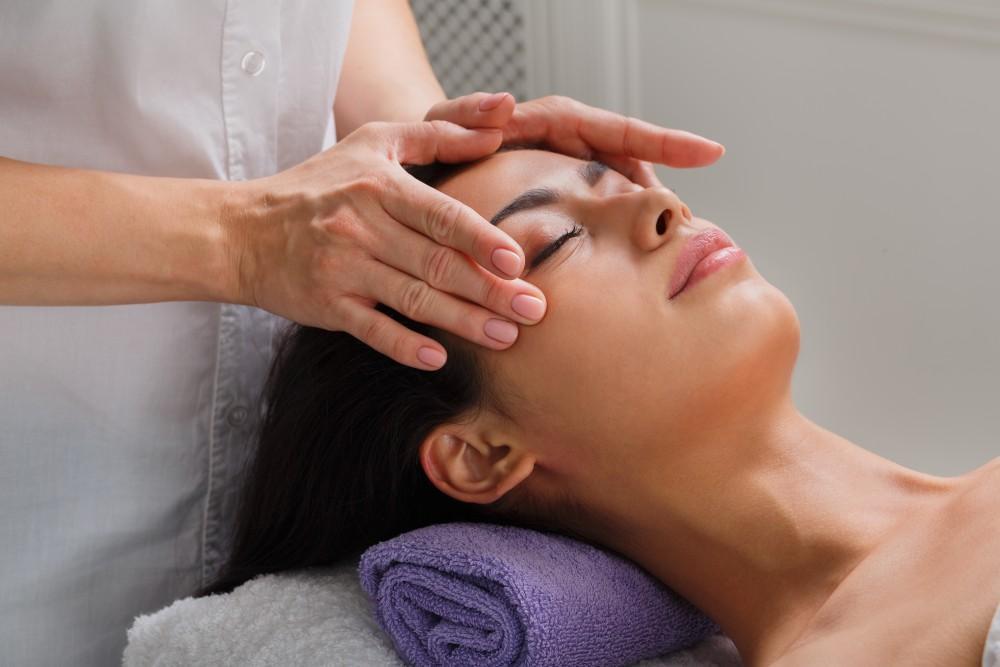
In the quest for effective headache relief, more Canadians are turning to evidence-based natural approaches that address the root causes rather than just masking symptoms. At Fans Head Spa, we believe in combining traditional techniques with modern science to provide comprehensive headache solutions. Biofeedback training represents one of the most promising approaches for preventing headaches before they start.
What Is Biofeedback?
Biofeedback is a mind-body technique that teaches you to control physiological functions you normally wouldn’t be aware of—like muscle tension, skin temperature, heart rate, and blood flow. Using specialized equipment, you can “see” these bodily processes and learn to influence them consciously.
For headache prevention, biofeedback is particularly effective because it addresses many of the underlying physiological responses that trigger or worsen headaches, such as:
- Muscle tension in the forehead, jaw, neck, and shoulders
- Blood vessel constriction or dilation
- Stress response including elevated heart rate and breathing
- Skin temperature changes in the hands and feet
The Science Behind Biofeedback for Headache Prevention
Biofeedback isn’t just a wellness trend—it’s backed by decades of research. According to the American Migraine Foundation, biofeedback and relaxation training typically yield a 45% to 60% reduction in headache frequency and severity. This is comparable to many prescription medications but without side effects.
The American Headache Society has given biofeedback therapy a Grade A evidence rating for migraine prevention, their highest recommendation level. Studies have shown that the benefits of biofeedback training can last for years after the initial sessions, making it a valuable long-term strategy.
Types of Biofeedback for Different Headaches
Different types of headaches respond to different biofeedback approaches:
For Tension Headaches: EMG Biofeedback
Electromyography (EMG) biofeedback measures muscle tension, particularly in the forehead, jaw, and neck areas. Since tension headaches stem from sustained muscle contractions, learning to relax these specific muscle groups can significantly reduce headache frequency.
How it works: Sensors placed on your forehead, jaw, or neck detect electrical activity in your muscles. When muscles tense, you see or hear feedback signals increase. Through practice, you learn to recognize subtle tension and release it before it triggers a headache.
For Migraines: Thermal Biofeedback
Thermal biofeedback focuses on skin temperature, particularly in the hands and fingers. Many migraine sufferers experience cold extremities during the prodrome (pre-headache) phase due to blood vessel constriction.
How it works: A temperature sensor attached to your finger measures blood flow. You then practice warming your hands by directing blood flow away from your head, potentially preventing or reducing migraine intensity.
DIY Biofeedback Techniques You Can Practice at Home
While professional biofeedback sessions use sophisticated equipment, you can practice many techniques at home to reinforce your training or get started before seeking professional guidance.
1. Progressive Muscle Relaxation (PMR)
This fundamental biofeedback technique involves systematically tensing and releasing muscle groups to develop awareness of muscle tension.
Try this exercise:
- Find a quiet, comfortable place to sit or lie down
- Start with your forehead—tense these muscles for 5-10 seconds, noticing how the tension feels
- Release completely and observe the difference for 15-20 seconds
- Continue through your body: jaw, neck, shoulders, arms, and so on
- Practice daily for 10-15 minutes
2. Hand-Warming Practice
This technique is particularly helpful for migraine prevention.
Try this exercise:
- Sit comfortably in a quiet room
- Place your hands on your lap, palms up
- Imagine warm sunshine or warm water flowing into your hands
- Use visualization phrases like “My hands are warm and heavy”
- Practice for 10 minutes twice daily
You can enhance this practice with inexpensive temperature strips available at most pharmacies to track your progress.
3. Diaphragmatic Breathing
Proper breathing techniques form the foundation of most biofeedback protocols.
Try this exercise:
- Place one hand on your chest and another on your abdomen
- Inhale slowly through your nose, ensuring your abdomen (not chest) expands
- Exhale slowly through slightly pursed lips
- Aim for 6-8 breaths per minute (longer exhalations than inhalations)
- Practice for 5 minutes, three times daily
4. Mindful Body Scanning
This technique builds body awareness essential for successful biofeedback.
Try this exercise:
- Sit or lie in a comfortable position
- Close your eyes and bring attention to your forehead
- Notice any sensations—tension, tingling, temperature—without judgment
- Slowly move your awareness down through your body
- When you notice tension, consciously release it
- Practice for 10 minutes daily
Enhancing Biofeedback Results with Head Spa Treatments
At Fans Head Spa, we’ve found that combining biofeedback practice with our specialized Japanese head spa treatments creates powerful synergy for headache prevention.
Our treatments complement biofeedback in several ways:
- Reinforcing muscle relaxation – Our techniques directly release tension in the same muscle groups you target in EMG biofeedback
- Improving circulation – Our specialized massage enhances blood flow patterns similar to what thermal biofeedback aims to achieve
- Creating a relaxation foundation – Experiencing deep relaxation during our treatments helps you recognize and recreate this state during home practice
- Addressing trigger points – Our therapists identify and release myofascial trigger points that may be invisible to home biofeedback practice
When to Seek Professional Biofeedback Training
While home practices are valuable, working with a certified biofeedback practitioner can accelerate your progress, especially for:
- Chronic or severe headache conditions
- Those who haven’t found relief with other approaches
- Learning proper technique with equipment feedback
- Developing a personalized protocol
Most professional biofeedback protocols involve 8-12 weekly sessions, with many people reporting significant improvement after just 4-6 sessions.
You can find qualified practitioners through the Biofeedback Certification International Alliance, which maintains standards for biofeedback training and certification.
Creating Your Comprehensive Headache Prevention Plan
For optimal results, we recommend a multi-faceted approach that includes:
- Regular biofeedback practice – Set aside 10-15 minutes daily for the exercises outlined above
- Monthly head spa treatments – Our Japanese-inspired techniques enhance circulation and release built-up tension that can trigger headaches
- Headache tracking – Keep a simple journal noting headache occurrences, possible triggers, and effectiveness of your prevention techniques
- Stress management – Complement biofeedback with other stress-reduction approaches like moderate exercise and adequate sleep
- Environmental adjustments – Identify and minimize exposure to personal headache triggers like certain foods, scents, or lighting
Experience the Perfect Complement to Your Biofeedback Practice
Our luxurious Mississauga facility offers the most upscale Head Spa experience in the Toronto area, providing the ideal environment to deepen your relaxation skills and headache prevention routine.
Our practitioners are skilled in Japanese head spa techniques that work in harmony with biofeedback approaches, creating an integrated approach to headache prevention.
Book your specialized head spa session today by calling (905) 470-6338 or visiting our booking page. Mention that you’re practicing biofeedback, and our therapists will customize your treatment to enhance your training.
The Bottom Line
Biofeedback training represents one of the most promising non-drug approaches to headache prevention, with benefits comparable to medication but without side effects. By combining professional head spa treatments with consistent home practice, you can develop powerful skills for lifelong headache management and prevention.
At Fans Head Spa, we’re committed to supporting your journey toward fewer headaches and better well-being through both cutting-edge approaches like biofeedback and time-tested therapeutic techniques from Japanese tradition.