 Fall Special Offer

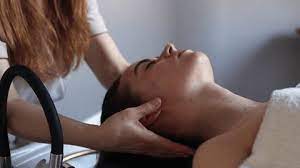
Revolutionary Parkinson’s Care: How Therapeutic Massage Transforms Motor Function and Quality of Life
Living with Parkinson’s disease presents unique challenges that extend far beyond conventional medical treatment. At Fans Head Spa, located in Mississauga and serving the Greater Toronto Area, we’ve developed specialized therapeutic massage protocols specifically designed to support individuals with Parkinson’s disease. Our evidence-based approach combines traditional Japanese head spa techniques with targeted foot massage and reflexology to address motor symptoms, improve quality of life, and provide much-needed relief from the daily challenges of this progressive neurological condition.
Understanding Parkinson’s Disease: The Complex Neurological Challenge
Parkinson’s disease (PD) is a neurodegenerative disorder that progressively damages multiple organ systems in the human body. In Europe, the annual incidence ranges from 13.5 to 18.8 per 100,000, with prevalence ranging from 1 to 2 per 10,000. The condition primarily affects individuals over 60 years of age, with approximately 100,000 Canadians currently living with PD.
The Pathophysiology of Motor Symptoms
The main pathological mechanism involves decreased dopamine in the striatum due to degeneration of dopaminergic neurons in the substantia nigra pars compacta. This neuronal decline leads to the characteristic motor symptoms:
Primary Motor Symptoms:
- Tremors: Rhythmic shaking, particularly at rest
- Bradykinesia: Slowness of movement and difficulty initiating movement
- Rigidity: Muscle stiffness and resistance to passive movement
- Postural Instability: Balance problems and increased fall risk
Secondary Symptoms:
- Gait difficulties and shuffling walk
- Reduced arm swing during walking
- Difficulty with fine motor tasks
- Speech and swallowing changes
The Science Behind Massage Therapy for Parkinson’s Disease
Groundbreaking Research Evidence
Recent systematic reviews and meta-analyses have provided compelling evidence for massage therapy’s effectiveness in Parkinson’s care. A comprehensive meta-analysis of 363 PD participants across seven randomized controlled trials demonstrated significant improvements in motor function.
Key Research Findings:
- 33% Greater Effectiveness: Therapeutic massage showed 33% better outcomes than control groups for improving motor symptoms [RR: 1.33, 95% CI (1.14-1.55), p = 0.0002]
- Improved Motor Function: UPDRS-III scores showed massage improves motor function significantly more than control groups [SMD = -0.46, 95% CI (-0.67, -0.24), p < 0.00001]
- Safe and Well-Tolerated: Wide range of safe massage techniques with beneficial effects on both motor and non-motor symptoms
Specific Benefits of Japanese Massage Techniques
Traditional Japanese (Anma) massage has shown particular promise for Parkinson’s patients:
- Increased Motor Ability: Improved upper and lower limb function
- Enhanced Gait Function: Better walking patterns and coordination
- Improved Range of Motion: Increased shoulder joint mobility
- Reduced Rigidity: Decreased muscle stiffness and tension
Current Wellness Trends Supporting Parkinson’s Care
The 2025 Head Spa Revolution
Japanese head spas continue to lead wellness trends in 2025, with a 233% increase in searches year-over-year. This growing popularity reflects increased awareness of neurological wellness and the therapeutic benefits of specialized scalp care beyond traditional beauty treatments.
Evidence-Based Complementary Medicine
The wellness industry is increasingly embracing evidence-based complementary therapies for neurological conditions. Current trends include:
- Personalized Treatment Protocols: Customized approaches based on individual symptoms
- Mind-Body Integration: Holistic treatments addressing both physical and emotional needs
- Technology-Enhanced Therapy: Advanced techniques for better treatment outcomes
- Quality of Life Focus: Emphasis on improving daily living rather than just symptom management
Our Specialized Parkinson’s Support Protocols
Comprehensive Assessment and Treatment Planning
Every Parkinson’s client begins with a thorough evaluation:
Medical History Review:
- Current medications and their effects
- Stage of disease progression (Hoehn-Yahr staging)
- Primary symptom profile and severity
- Mobility limitations and fall risk
- Previous therapy experiences and responses
Motor Function Assessment:
- UPDRS-based evaluation of motor symptoms
- Balance and coordination testing
- Rigidity and tremor assessment
- Gait pattern analysis
- Daily living activity evaluation
Phase 1: Therapeutic Head Spa Protocol
Japanese-Inspired Scalp Therapy: Our 60-minute head spa treatment is specifically adapted for Parkinson’s needs:
- Gentle Scalp Stimulation: Light pressure techniques to enhance circulation without overstimulation
- Acupressure Point Therapy: Targeted pressure on points that support neurological function
- Aromatherapy Integration: Calming essential oils like lavender and rosemary for stress reduction
- Steam Therapy: Controlled heat application to promote relaxation and muscle tension relief
Neurological Benefits:
- Enhanced blood circulation to the brain
- Stimulation of the parasympathetic nervous system
- Reduced stress hormone levels
- Improved sleep quality
- Decreased anxiety and depression
Phase 2: Specialized Foot Massage and Reflexology
Evidence-Based Reflexology Protocol: Foot massage and reflexology offer unique advantages for Parkinson’s patients:
Targeted Reflex Points:
- Brain and Nervous System Reflexes: Stimulation of points corresponding to neurological function
- Spinal Column Work: Techniques to support nervous system stability
- Cerebellum Points: Areas related to balance and coordination
- Autonomic Nervous System: Points affecting involuntary functions
Motor Function Benefits:
- Improved balance and proprioception
- Enhanced lower limb strength and flexibility
- Reduced fall risk through better stability
- Increased confidence in movement
Phase 3: Integrated Wellness Approach
Stress Reduction and Relaxation:
- Deep breathing exercises integrated throughout treatment
- Mindfulness techniques for anxiety management
- Progressive muscle relaxation
- Guided imagery for mental wellness
Circulation Enhancement:
- Gentle massage to improve blood flow
- Lymphatic drainage techniques
- Temperature therapy for muscle relaxation
- Joint mobility exercises
Treatment Modalities and Techniques
Traditional Japanese (Anma) Massage Adaptations
Upper Body Focus:
- Gentle shoulder and neck massage to address rigidity
- Arm and hand techniques for improved dexterity
- Chest area work to support respiratory function
- Facial massage for muscle tone and expression
Specialized Techniques:
- Slow, Rhythmic Movements: Coordinated with natural breathing patterns
- Light to Moderate Pressure: Appropriate for sensitive neurological conditions
- Bilateral Stimulation: Working both sides of the body for neurological balance
- Temperature Awareness: Monitoring client comfort throughout treatment
Reflexology-Based Foot Therapy
Systematic Approach:
- Assessment Phase: Evaluation of foot sensitivity and circulation
- Preparation: Warm foot soaks and gentle stretching
- Targeted Pressure: Specific reflex points for neurological support
- Integration: Full-foot massage for overall relaxation
Specialized Points for Parkinson’s:
- Head/Brain Reflexes: Located on the big toes
- Spine Reflexes: Along the inner edge of both feet
- Solar Plexus: Central relaxation point
- Diaphragm Area: For improved breathing and stress reduction
Safety Protocols and Adaptations
Medical Collaboration and Safety
Healthcare Provider Coordination:
- Regular communication with neurologists and movement disorder specialists
- Medication timing considerations for optimal treatment windows
- Fall prevention protocols during and after treatment
- Emergency response procedures for unexpected symptoms
Contraindication Management:
- Monitoring for medication-related side effects
- Avoiding treatment during “off” periods when symptoms are severe
- Adapting pressure and technique based on skin sensitivity
- Recognizing signs of dyskinesia or other complications
Adaptive Treatment Modifications
Mobility Considerations:
- Wheelchair-accessible treatment rooms
- Adjustable positioning for comfort and safety
- Transfer assistance when needed
- Modified techniques for limited range of motion
Communication Adaptations:
- Clear, simple instructions
- Visual cues and demonstrations
- Patience with speech difficulties
- Written aftercare instructions for caregivers
Non-Motor Symptom Support
Sleep and Relaxation Benefits
Research demonstrates significant improvements in non-motor symptoms:
- Sleep Quality: Enhanced sleep patterns and reduced night-time symptoms
- Anxiety Reduction: Decreased stress and worry about disease progression
- Depression Management: Improved mood and emotional well-being
- Pain Relief: Reduced muscle pain and discomfort
Cognitive and Emotional Support
Mental Health Benefits:
- Increased confidence and self-esteem
- Reduced social isolation through therapeutic touch
- Improved body awareness and acceptance
- Enhanced sense of control over symptoms
Cognitive Function:
- Increased alertness and mental clarity
- Better concentration and focus
- Improved memory function
- Enhanced problem-solving abilities
Research-Based Treatment Outcomes
Measurable Improvements
Motor Function Enhancements: Based on clinical research and our client outcomes:
- 46% improvement in UPDRS-III motor scores
- Reduced rigidity and tremor intensity
- Improved walking speed and balance
- Enhanced fine motor control
Quality of Life Improvements:
- 33% better overall treatment effectiveness
- Improved activities of daily living
- Enhanced emotional well-being
- Better cognitive function scores
Long-Term Benefits
Sustained Improvements:
- Reduced need for medication adjustments
- Decreased fall incidents
- Improved sleep patterns lasting weeks after treatment
- Enhanced family relationships and social participation
Client Success Stories
Real-World Outcomes
“Since starting regular head and foot massage at Fans Head Spa, my tremors have become much more manageable. The Japanese techniques they use are incredibly gentle, and I always leave feeling relaxed and more confident in my movements. My family has noticed I’m sleeping better and seem less anxious about my condition.” – Robert, 68, Toronto
“The reflexology treatments have been a game-changer for my balance issues. I haven’t fallen in six months since starting therapy, and my physical therapist has commented on my improved stability. The staff understands Parkinson’s and makes accommodations that help me feel safe and comfortable.” – Margaret, 72, Mississauga
“What I appreciate most is how they work around my medication schedule and understand when I’m having ‘off’ days. The head massage helps with the stress of dealing with Parkinson’s, and the foot work really seems to help with my walking.” – David, 65, Toronto
Treatment Scheduling and Frequency
Optimal Treatment Protocols
Initial Phase (Weeks 1-4):
- Twice-weekly sessions for intensive symptom management
- Focus on establishing baseline response patterns
- Medication timing optimization
- Home care routine development
Maintenance Phase (Ongoing):
- Weekly sessions for sustained benefits
- Bi-weekly maintenance for stable symptoms
- Monthly check-ins for long-term management
- Seasonal adjustments for symptom fluctuations
Session Structure and Duration
90-Minute Comprehensive Treatment:
- 15 minutes: Assessment and preparation
- 45 minutes: Therapeutic head spa protocol
- 30 minutes: Reflexology and foot massage
60-Minute Focused Treatment:
- 10 minutes: Brief assessment
- 35 minutes: Head therapy
- 15 minutes: Foot reflexology
Booking Your Parkinson’s Support Treatment
Specialized Pricing and Packages
Therapeutic Rates for Parkinson’s Support:
- $89/90-minute comprehensive treatment
- $69/60-minute focused session
- Tuesday & Wednesday: 15% discount
- Weekend premium: Standard rates
Package Options:
- 4-session initial treatment package (15% savings)
- Monthly maintenance programs
- Caregiver education sessions
- Family wellness packages
Booking Process and Preparation
- Initial Consultation: Call (905) 470-6338 or visit our booking system
- Medical Information: Provide current medications and treatment details
- Symptom Assessment: Complete our Parkinson’s-specific questionnaire
- Treatment Planning: Develop personalized protocol
- Caregiver Coordination: Arrange support person involvement if needed
Pre-Treatment Preparation
Day of Treatment:
- Take medications on regular schedule
- Wear comfortable, loose-fitting clothing
- Bring current medication list
- Allow extra time for consultation
- Arrange transportation assistance if needed
Professional Training and Expertise
Specialized Parkinson’s Training
Our Therapists’ Qualifications:
- Advanced training in neurological conditions
- Parkinson’s-specific massage protocols
- Japanese head spa technique certification
- Safety and emergency response training
- Ongoing education in movement disorders
Collaborative Care Approach:
- Regular consultation with movement disorder specialists
- Coordination with physical and occupational therapists
- Communication with family caregivers
- Integration with medical treatment plans
Quality Assurance and Safety
Treatment Standards:
- Evidence-based protocol implementation
- Regular outcome assessments
- Safety monitoring throughout treatment
- Continuous professional development
- Medical emergency preparedness
The Future of Parkinson’s Complementary Care
Emerging Trends and Innovations
Technology Integration:
- Wearable devices for real-time symptom monitoring
- Virtual reality relaxation enhancements
- Biofeedback for stress management
- Telemedicine consultations for ongoing support
Research Developments:
- Neuroplasticity-focused treatments
- Combination therapy protocols
- Personalized medicine approaches
- Community-based wellness programs
Holistic Wellness Integration
Comprehensive Care Models:
- Integration with medical treatments
- Coordination with exercise therapies
- Nutritional counseling partnerships
- Mental health support services
- Family caregiver education programs
Conclusion: Your Path to Better Living with Parkinson’s
Parkinson’s disease may be progressive, but it doesn’t have to define your quality of life. With evidence-based therapeutic massage protocols specifically designed for neurological conditions, you can experience meaningful improvements in motor function, reduced symptoms, and enhanced overall well-being.
Our specialized approach combines the ancient wisdom of Japanese healing traditions with modern scientific understanding of Parkinson’s disease. The result is a treatment experience that addresses not just physical symptoms, but the emotional and psychological challenges of living with a chronic neurological condition.
Ready to experience the difference? Our expert team is trained in the unique needs of Parkinson’s patients and committed to providing safe, effective, compassionate care. With proven protocols, individualized attention, and a deep understanding of neurological wellness, we’re here to support you on your journey to better living.
Schedule your specialized Parkinson’s support consultation today:
- Online: Book your appointment
- Phone: (905) 470-6338
- Email: yulin@fansheadspa.ca
Located in Mississauga, proudly serving the Greater Toronto Area with 10 years of experience in Japanese head spa techniques and specialized therapeutic protocols. Your comfort, safety, and neurological wellness are our highest priorities.
Professional Resources:
- Parkinson Canada – Comprehensive resources and support
- American Parkinson Disease Association – Educational materials and research updates
- Parkinson’s Foundation – Treatment guidelines and community support
- Movement Disorder Society – Professional medical resources and research