 Grand Launch: Special Offer – Summer Wellness Package

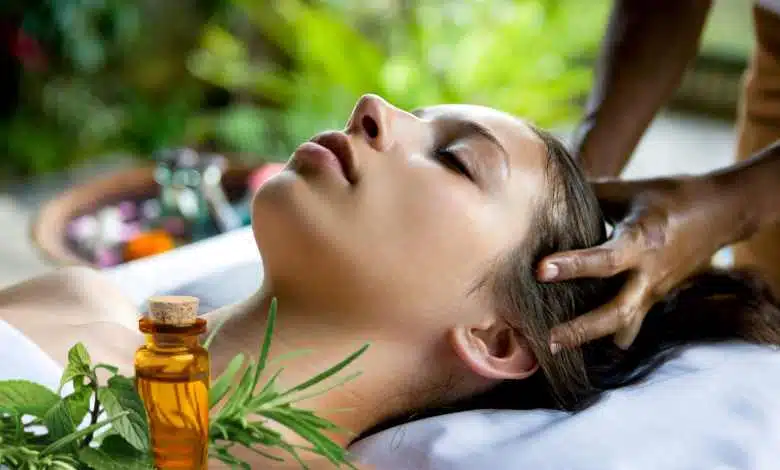
The scalp is home to a complex ecosystem of microorganisms that, when balanced, support healthy hair and skin. However, when this delicate balance is disrupted, stubborn biofilms can form, creating a protective shield around harmful bacteria and fungi. Recent research reveals that scalp biofilms have pathogenic effects on cutaneous tissues, such as seborrheic dermatitis, making effective disruption techniques more crucial than ever.
Understanding how professional scalp massage can mechanically disrupt these persistent microbial communities offers new hope for those struggling with chronic scalp conditions, product buildup, and compromised scalp health.
Understanding Scalp Biofilms: The Hidden Culprit Behind Persistent Issues
Biofilms are structured communities of microorganisms encased in a self-produced protective matrix. On the scalp, these complex structures can harbour problematic bacteria and fungi, making them significantly more resistant to conventional treatments than their free-floating counterparts.
The Science Behind Scalp Biofilm Formation
A balanced scalp microbiome is crucial for scalp health, yet the mechanisms governing this balance and the etiology of dysbiosis in scalp disorders remain elusive. When this balance is disturbed, opportunistic microorganisms begin to organize into biofilms, creating several challenges:
Key Biofilm Characteristics:
- Enhanced resistance to antimicrobial treatments
- Increased adherence to skin and hair surfaces
- Persistent inflammation and irritation
- Reduced effectiveness of topical products
- Chronic scalp conditions that resist traditional therapies
Common Biofilm-Associated Scalp Conditions
Seborrheic Dermatitis: Malassezia is a type of yeast that naturally develops on human skin, but when it overgrows, it can result in a variety of skin conditions, such as dandruff, seborrheic dermatitis, and folliculitis. When organized in biofilms, Malassezia becomes particularly challenging to treat.
Folliculitis and Scalp Irritation: Opportunistic biofilm-forming bacteria such as S lugdunensis and S epidermidis can contribute to the development of scalp folliculitis. Also, biofilm formation and resistance to the antibiotics that are most commonly used in therapy can be involved in the prolongation of the disease.
Product Buildup and Poor Scalp Health: Biofilms can trap styling products, dead skin cells, and sebum, creating a stubborn layer that regular shampooing cannot effectively remove.
The Mechanical Advantage: How Scalp Massage Disrupts Biofilms
Professional scalp massage offers a unique mechanical approach to biofilm disruption that goes beyond what chemical treatments alone can achieve. Standardized scalp massage is a way to transmit mechanical stress to human dermal papilla cells in subcutaneous tissue, but it also provides powerful mechanical forces that can physically disrupt biofilm structures.
Mechanical Disruption Mechanisms
Shear Forces: Targeted massage techniques create shear stress that can dislodge biofilm matrix components, breaking the protective barrier that shields microorganisms from treatment.
Tissue Stretching: Stretching forces result in changes in gene expression in human dermal papilla cells. Standardized scalp massage is a way to transmit mechanical stress while simultaneously disrupting the adherent biofilm structure.
Enhanced Circulation: Improved blood flow delivers immune cells and nutrients to affected areas whilst helping flush away disrupted biofilm debris.
Scientific Evidence for Mechanical Disruption
Research demonstrates that scalp massage caused z-direction displacement and von Mises stress on subcutaneous tissue, creating the mechanical forces necessary for effective biofilm disruption. This multi-directional stress pattern is particularly effective at breaking apart the structured communities that characterize stubborn biofilms.
Professional Biofilm Disruption Techniques: Beyond Basic Massage
At our Toronto head spa, we’ve developed specialized protocols that combine traditional massage therapy with modern understanding of biofilm biology to create comprehensive treatment approaches.
Advanced Mechanical Disruption Methods
Targeted Pressure Point Stimulation Our therapists use specific acupressure techniques that focus on areas commonly affected by biofilm formation:
- Temporal regions where product buildup accumulates
- Crown area where sebum production is highest
- Nape of neck where moisture can promote microbial growth
Multi-Directional Scaling Techniques Using gentle but firm movements in multiple directions to:
- Break apart biofilm matrix structure
- Prevent re-formation during treatment
- Maximize mechanical disruption without damaging healthy tissue
Progressive Tension Release This technique involves:
- Starting with light pressure to assess scalp condition
- Gradually increasing mechanical stress to target deeper biofilm layers
- Finishing with circulation-enhancing movements to promote healing
Integration with Therapeutic Agents
Natural Biofilm Disruptors We incorporate evidence-based natural compounds that enhance mechanical disruption:
- Tea tree oil: Known antimicrobial and anti-biofilm properties
- Coconut oil: Coconut oil and its formulations are commonly applied on the scalp in several parts of the world to maintain scalp health
- Apple cider vinegar: pH adjustment to disrupt biofilm formation
Essential Oil Synergies Specific essential oil blends are selected for their proven ability to:
- Penetrate biofilm matrices
- Provide antimicrobial support
- Reduce inflammation and promote healing
- Enhance the mechanical effects of massage
The Canadian Approach to Scalp Health: Evidence-Based Care
In Canada, our commitment to evidence-based healthcare extends to complementary therapies like professional scalp massage. Our approach emphasises safety, efficacy, and client-centered care that addresses individual needs while incorporating the latest scientific research.
Professional Standards for Biofilm Disruption
Thorough Assessment Protocols Every treatment begins with:
- Detailed scalp analysis to identify biofilm presence
- Medical history review for underlying conditions
- Customized treatment planning based on individual needs
Hygiene and Safety Measures
- Strict sanitation protocols between clients
- Use of sterilized tools and fresh linens
- Proper disposal of single-use materials
- Regular training updates on infection control
Follow-Up and Monitoring
- Progress tracking through scalp photography
- Adjustment of techniques based on client response
- Integration with existing medical treatments when appropriate
- Referral to healthcare providers when necessary
Treatment Protocols: Step-by-Step Biofilm Disruption
Initial Assessment Phase (Week 1-2)
Comprehensive Scalp Analysis Using advanced imaging and tactile assessment, we identify:
- Areas of heaviest biofilm accumulation
- Underlying scalp conditions contributing to formation
- Client sensitivity levels and contraindications
- Baseline measurements for progress tracking
Customized Treatment Planning Based on assessment findings, we develop:
- Specific massage sequences for maximum disruption
- Appropriate pressure levels for client comfort
- Selection of complementary therapeutic agents
- Treatment frequency recommendations
Active Disruption Phase (Week 3-8)
Intensive Mechanical Therapy
- Twice-weekly treatments focusing on mechanical disruption
- Progressive increase in intensity as biofilm breaks down
- Integration of heat therapy to soften stubborn areas
- Use of specialized tools for enhanced effectiveness
Home Care Integration Clients receive:
- Specific self-massage techniques for daily maintenance
- Recommended products that support biofilm prevention
- Lifestyle modifications to reduce risk factors
- Progress monitoring tools for tracking improvements
Maintenance and Prevention Phase (Ongoing)
Long-Term Scalp Health
- Monthly professional treatments to prevent reformation
- Seasonal adjustment of protocols based on environmental factors
- Ongoing education about biofilm prevention strategies
- Integration with regular hair care routine
The Microbiome Connection: Supporting Healthy Balance
While disrupting harmful biofilms is essential, maintaining a healthy scalp microbiome balance is equally important. Research has shown that these commensals directly interact with the host skin, playing crucial roles in overall scalp health.
Promoting Beneficial Microorganisms
Selective Disruption Techniques Our massage protocols are designed to:
- Target pathogenic biofilm communities specifically
- Preserve beneficial microbial populations
- Restore natural microbiome balance
- Support long-term scalp ecosystem health
Prebiotic Support Integration Following biofilm disruption, we:
- Apply prebiotic compounds that support beneficial bacteria
- Use gentle, pH-balanced products that don’t disrupt healthy flora
- Provide nutritional guidance for microbiome support
- Recommend lifestyle factors that promote balance
Environmental Factors and Biofilm Formation
Understanding Risk Factors Canadian climate presents unique challenges:
- Winter dry air can compromise scalp barrier function
- Humidity changes affect microbial population dynamics
- Indoor heating systems may disrupt natural pH balance
- Seasonal product use patterns influence biofilm formation
Preventive Strategies
- Seasonal adjustment of treatment protocols
- Environmental humidity recommendations for home care
- Product selection guidance based on climate conditions
- Lifestyle modifications for year-round scalp health
Advanced Technology Integration: The Future of Biofilm Disruption
As we advance through 2025, emerging technologies offer exciting possibilities for enhanced biofilm disruption protocols.
Sonic Technology Applications
Low-Frequency Vibration Therapy Recent research suggests that specific frequencies can:
- Enhance mechanical disruption effectiveness
- Penetrate deeper into tissue layers
- Improve circulation without excessive pressure
- Provide measurable improvements in treatment outcomes
Ultrasonic Enhancement Controlled ultrasonic waves can:
- Break apart biofilm matrix at the molecular level
- Enhance penetration of therapeutic agents
- Provide non-invasive deep tissue treatment
- Monitor treatment progress in real-time
Biofilm Visualization Technology
Advanced Imaging Systems New diagnostic tools allow us to:
- Visualize biofilm presence before treatment begins
- Monitor disruption progress in real-time
- Document treatment effectiveness objectively
- Adjust protocols based on visual feedback
AI-Assisted Treatment Planning Machine learning algorithms help:
- Predict optimal treatment protocols for individual clients
- Identify patterns in biofilm formation and disruption
- Customize maintenance schedules based on risk factors
- Improve long-term treatment outcomes
Case Studies: Real Results from Professional Biofilm Disruption
Case Study 1: Chronic Seborrheic Dermatitis
Background: 34-year-old professional experiencing persistent scalp irritation and flaking despite multiple dermatological treatments.
Treatment Protocol:
- Bi-weekly mechanical disruption treatments for 8 weeks
- Integration of tea tree oil and coconut oil therapies
- Home care protocol with gentle biofilm prevention techniques
- Lifestyle modifications to reduce contributing factors
Results:
- 80% reduction in flaking within 6 weeks
- Significant improvement in scalp comfort and appearance
- Successful integration with ongoing dermatological care
- Maintained improvement at 6-month follow-up
Case Study 2: Product Buildup and Hair Loss
Background: 28-year-old with extensive styling product use experiencing thinning hair and scalp congestion.
Treatment Protocol:
- Weekly intensive biofilm disruption for 12 weeks
- Mechanical techniques specifically targeting product buildup areas
- Gradual transition to biofilm-preventing home care routine
- Education on product selection and application techniques
Results:
- Complete removal of stubborn product buildup
- Improved hair texture and apparent thickness
- Reduction in scalp sensitivity and irritation
- Long-term maintenance success with monthly treatments
Home Care Strategies: Supporting Professional Treatment
While professional biofilm disruption provides the foundation for scalp health improvement, proper home care ensures long-term success and prevention of reformation.
Daily Maintenance Techniques
Gentle Self-Massage Protocols
- Morning circulation-enhancing techniques (5 minutes)
- Evening biofilm prevention movements (3 minutes)
- Focus on areas identified during professional assessment
- Use of recommended oils or treatment products
Product Selection Guidance
- pH-balanced shampoos that don’t disrupt healthy microbiome
- Conditioners that moisturize without promoting biofilm formation
- Styling products with reduced buildup potential
- Regular clarifying treatments to prevent accumulation
Weekly Intensive Care
Deep Cleansing Protocols
- Apple cider vinegar rinses for pH balance
- Clay mask treatments to absorb excess sebum
- Essential oil treatments for antimicrobial support
- Mechanical exfoliation using appropriate tools
Environmental Management
- Humidifier use during dry Canadian winters
- Pillow case hygiene protocols
- Hair tool sanitization routines
- Environmental allergen reduction strategies
Nutritional Support for Scalp Microbiome Health
Key Nutrients for Healthy Scalp Function
Omega-3 Fatty Acids Support anti-inflammatory pathways and healthy sebum production:
- Wild-caught salmon and sardines
- Flax seeds and hemp hearts (popular Canadian sources)
- Walnuts and chia seeds
- High-quality fish oil supplements
Zinc and Selenium Essential for immune function and microbial balance:
- Pumpkin seeds and hemp hearts
- Grass-fed beef and organic poultry
- Brazil nuts for selenium
- Zinc bisglycinate supplements when indicated
Prebiotics and Probiotics Support overall microbiome health:
- Fermented foods like sauerkraut and kimchi
- High-fiber foods that feed beneficial bacteria
- Quality probiotic supplements with diverse strains
- Traditional Canadian foods like fermented root vegetables
Hydration and pH Balance
Optimal Water Intake
- Municipal water quality considerations in Canadian cities
- Filtration recommendations for chlorine and fluoride
- pH testing and adjustment when necessary
- Herbal teas that support scalp health
Alkalizing Foods
- Leafy greens and cruciferous vegetables
- Low-glycemic fruits like berries
- Fresh herbs with antimicrobial properties
- Avoiding excessive sugar that feeds pathogenic microbes
When to Seek Professional Help: Red Flags and Indicators
Signs That Indicate Biofilm Formation
Persistent Symptoms Despite Good Hygiene
- Chronic itching or irritation
- Recurring dandruff or flaking
- Scalp odour that doesn’t respond to washing
- Hair loss in specific patterns
Treatment-Resistant Conditions
- Seborrheic dermatitis that doesn’t improve with medication
- Folliculitis that returns repeatedly
- Product buildup that won’t wash out
- Scalp sensitivity that seems to worsen over time
Associated Symptoms
- Hair texture changes without obvious cause
- Increased hair breakage or thinning
- Scalp discoloration or unusual appearance
- Systemic symptoms like fatigue or joint pain
Professional Assessment Benefits
Advanced Diagnostic Capabilities
- Microscopic analysis of scalp samples
- pH testing and microbiome assessment
- Professional photography for progress tracking
- Integration with medical evaluation when indicated
Customized Treatment Protocols
- Individual response assessment and adjustment
- Combination therapy optimization
- Safety monitoring for sensitive clients
- Long-term prevention planning
Research and Future Directions
L’Oréal Singapore and NTU Singapore today launched a new joint laboratory hosted by the Singapore Centre for Environmental Life Sciences Engineering (SCELSE), to conduct research on the community of bacteria, fungi, and viruses (also called the microbiome) that live on our skin and scalp, indicating the growing scientific interest in understanding scalp biofilm dynamics.
Emerging Research Areas
Biofilm Matrix Analysis Current studies are examining:
- Specific proteins and polysaccharides in scalp biofilms
- How environmental factors influence matrix composition
- Individual variations in biofilm susceptibility
- Optimization of mechanical disruption protocols
Personalized Treatment Approaches Future developments may include:
- Genetic testing to predict biofilm formation risk
- Customized microbiome analysis and treatment
- Precision nutrition recommendations for scalp health
- AI-guided treatment protocol development
Clinical Trial Opportunities
Ongoing Studies Canadian research institutions are investigating:
- Combination mechanical and chemical biofilm disruption
- Long-term effects of regular professional scalp massage
- Microbiome restoration following biofilm treatment
- Prevention protocols for high-risk individuals
For those interested in participating in research studies or accessing cutting-edge treatments, consult with qualified professionals who stay current with emerging developments.
External Resources and Professional Support Networks
For additional information and support, consider these authoritative resources:
- Canadian Dermatology Association – Professional guidelines for scalp conditions
- Wikipedia: Biofilm – Comprehensive overview of biofilm science
- National Center for Biotechnology Information – Latest research on scalp microbiome
- International Association of Trichologists – Professional scalp and hair health resources
Taking Action: Your Journey to Healthier Scalp
Don’t let stubborn biofilms compromise your scalp health and confidence. With advanced understanding of biofilm disruption mechanisms and professional massage techniques, effective treatment is within reach.
Benefits of Professional Biofilm Disruption:
- Mechanical removal of treatment-resistant microbial communities
- Improved effectiveness of topical treatments and products
- Enhanced scalp comfort and reduced irritation
- Better hair health and appearance
- Long-term prevention of chronic scalp conditions
What to Expect:
- Comprehensive scalp assessment and customized treatment planning
- Gentle but effective mechanical disruption techniques
- Integration with your existing hair care routine
- Ongoing support and maintenance protocols
- Professional monitoring of progress and adjustments as needed
Ready to break through stubborn scalp buildup and restore healthy balance? Book your professional biofilm disruption consultation today with our experienced team who understand the science behind effective scalp treatment.
Conclusion: The Future of Scalp Health is Mechanical
As our understanding of scalp biofilms continues to evolve, the role of professional massage therapy in mechanical disruption becomes increasingly important. The combination of evidence-based techniques, advanced technology, and personalized care offers unprecedented opportunities for those struggling with persistent scalp conditions.
Targeting the follicle microbiome shows potential for scalp condition treatments, and mechanical disruption through professional massage represents a safe, effective, and scientifically-supported approach that addresses the root cause of many chronic scalp issues.
By integrating mechanical biofilm disruption with comprehensive scalp health protocols, we can help clients achieve lasting improvements in scalp comfort, hair health, and overall well-being. The future of scalp care isn’t just about treating symptoms – it’s about understanding and addressing the complex microbial ecosystems that influence our scalp health every day.
Whether you’re dealing with chronic scalp conditions, stubborn product buildup, or simply want to optimize your scalp health, professional biofilm disruption massage offers a scientifically-grounded pathway to lasting improvement.