 Fall Special Offer
As Toronto braces for another intense summer season with predictions of well above-average temperatures and increasingly severe weather patterns, many residents are experiencing a rise in weather-related anxiety. The summer of 2025 is shaping up to be just as intense as recent record-breaking years, with scientists warning that extreme weather events are becoming more frequent and severe due to climate change.
For those struggling with storm anxiety, astraphobia (fear of thunder and lightning), or general weather-related stress, the anticipation of severe weather can create debilitating physical and emotional responses. Fortunately, therapeutic head spa treatments are emerging as a powerful, natural approach to managing weather anxiety and restoring calm during Toronto’s increasingly unpredictable storm seasons.
Understanding Weather-Related Anxiety in 2025
The Growing Reality of Storm Stress
Storm anxiety is on the rise, and the statistics are sobering. A Gallup poll found that 85% of respondents said they had some degree of fear about severe weather, and 40% said they had a moderate degree of fear. With the number of weather-related disasters increasing five-fold over the last 50 years, these fears are becoming increasingly justified.
Common Weather Anxiety Symptoms Include:
- Excessive monitoring of weather forecasts and radar
- Physical symptoms: rapid heart rate, sweating, trembling, nausea
- Sleep disruption before and during storms
- Avoidance behaviors and social isolation
- Panic attacks triggered by weather alerts
- Muscle tension and headaches during storm seasons
Toronto’s Unique Weather Challenges
Toronto faces specific challenges that can intensify weather anxiety:
- Urban Heat Island Effects: City temperatures running 2-5°F higher than surrounding areas
- Severe Storm Activity: Increasing frequency of damaging thunderstorms and tornadoes
- Flash Flooding: Urban drainage systems overwhelmed by intense rainfall
- Extreme Weather Alerts: Constant media coverage heightening anxiety levels
The combination of urban stressors and increasingly unpredictable weather patterns creates a perfect storm for anxiety in sensitive individuals.
The Science Behind Weather Anxiety
Neurobiological Responses to Storm Stress
When our brains perceive weather threats, they release a cascade of stress responses designed for the fight-or-flight reaction. This includes elevated cortisol, increased heart rate, hyperventilation, and intense vigilance—all adaptive responses that become problematic when triggered repeatedly by weather forecasts and storm alerts.
Key Physiological Impacts:
- Cortisol Elevation: Chronic stress hormone release affecting sleep, digestion, and immune function
- Nervous System Dysregulation: Overactive sympathetic nervous system creating persistent tension
- Muscle Tension Patterns: Neck, shoulders, and scalp holding stress in anticipation of storms
- Sleep Disruption: Racing thoughts and physical tension preventing restorative rest
The Mind-Body Connection in Weather Stress
Research demonstrates that weather anxiety creates distinct patterns of physical tension, particularly in the head, neck, and shoulders. This tension can persist long after storms pass, creating chronic stress patterns that affect overall health and well-being.
Therapeutic Head Spa Treatments for Weather Anxiety Relief
Neurochemical Rebalancing Through Strategic Touch
Clinical trials suggest that massage therapy may help relieve anxiety while providing benefits similar to psychotherapy for certain conditions. A one-hour massage lowers cortisol in your body while also releasing serotonin, directly counteracting the stress response triggered by weather anxiety.
Evidence-Based Benefits Include:
- Immediate Anxiety Reduction: Significant reductions in self-reported anxiety and resting heart rate immediately following massage sessions
- Cortisol Regulation: Measurable decreases in stress hormone levels
- Parasympathetic Activation: Stimulation of the body’s natural relaxation response
- Improved Sleep Quality: Enhanced ability to rest despite weather-related stress
Japanese Head Spa Therapy: Ancient Calm for Modern Storms
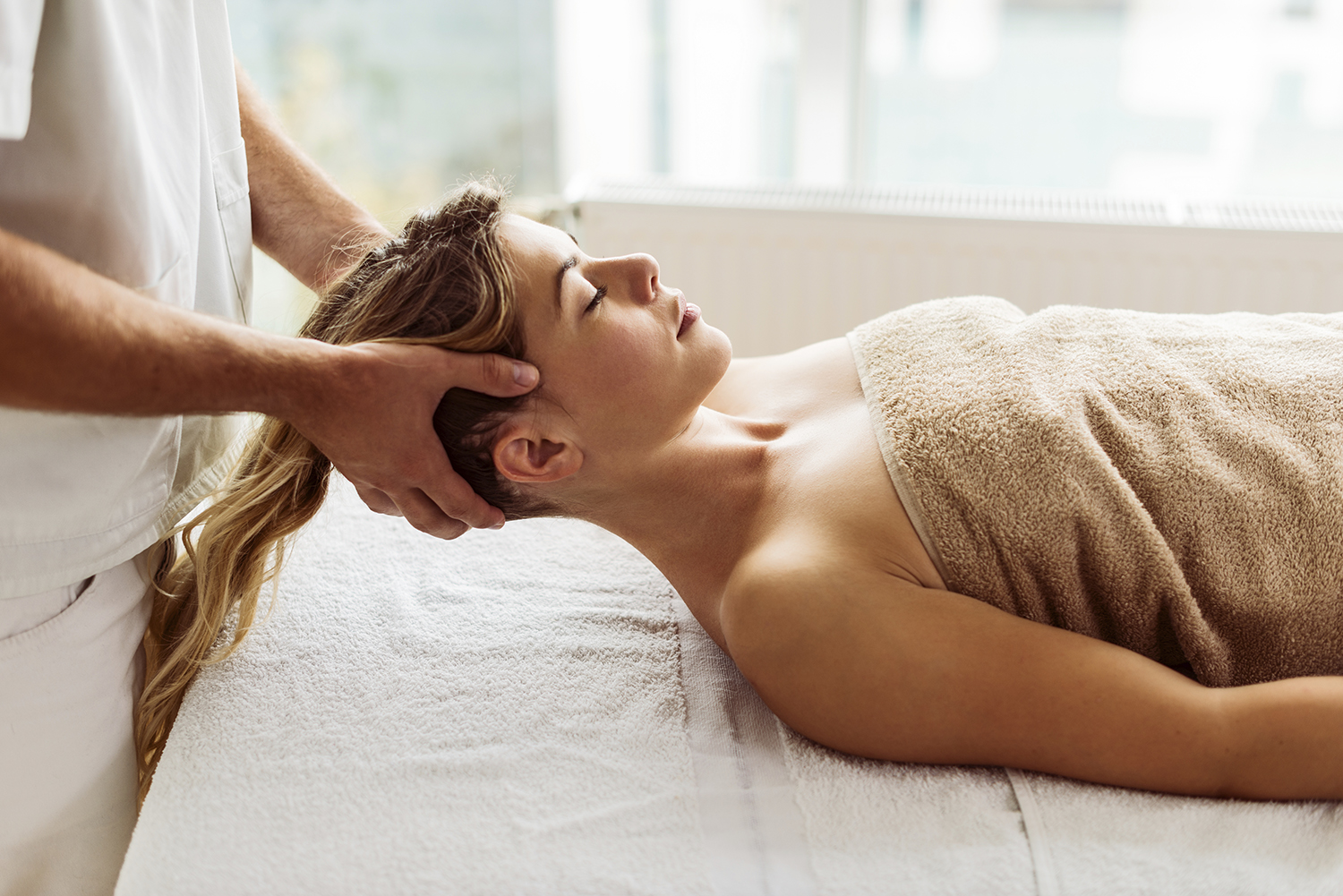
Japanese head spa treatments combine traditional techniques with modern understanding of stress physiology. These specialized treatments address the unique tension patterns created by weather anxiety through targeted approaches.
Weather Anxiety-Specific Protocols Include:
- Scalp Pressure Point Work: Targeting areas that store anticipatory stress and tension
- Neck and Shoulder Integration: Addressing the physical manifestations of weather worry
- Breathing Coordination: Synchronized massage techniques that promote deeper relaxation
- Sensory Regulation: Controlled therapeutic input to calm overstimulated nervous systems
Specialized Techniques for Storm Stress:
- Gentle circular motions on temples to relieve weather-related headaches
- Progressive relaxation starting from the crown and moving outward
- Pressure point stimulation along meridians associated with anxiety relief
- Rhythmic movements that mirror natural breathing patterns
Traditional Chinese Medicine (TCM) Head Therapy for Weather Resilience
TCM approaches weather anxiety as an imbalance in the body’s energy systems, often related to overactive nervous energy and disrupted circulation. These treatments focus on restoring balance and building resilience to environmental stressors.
TCM Benefits for Weather Anxiety:
- Qi Flow Regulation: Addressing energy blockages that contribute to anxiety and stress
- Emotional Balance: Holistic approaches that calm the mind while treating physical symptoms
- Constitutional Strengthening: Building long-term resilience to weather-related stress
- Sleep Support: Specific techniques for improving rest quality despite environmental concerns
The Therapeutic “Headicure”: Comprehensive Weather Stress Management
Toronto’s innovative headicure treatment provides a comprehensive approach to weather anxiety, combining multiple therapeutic modalities into a single session designed to address both immediate symptoms and long-term stress patterns.
Integrated Approach Features:
- Pre-Storm Preparation: Treatments designed to build resilience before severe weather
- Acute Stress Relief: Immediate interventions during high-anxiety weather periods
- Post-Storm Recovery: Helping the nervous system return to baseline after intense weather
- Seasonal Maintenance: Regular treatments that prevent anxiety buildup during storm seasons
Evidence-Based Benefits for Weather-Related Anxiety
Research-Supported Outcomes
Multiple studies demonstrate massage therapy’s effectiveness for anxiety disorders. Research shows that even a 10-minute massage measurably increases psychophysiological relaxation, with effects being even more pronounced when addressing specific anxiety triggers like weather concerns.
Documented Improvements Include:
- Immediate beneficial effects on anxiety-related measures in acute stress situations
- Significant improvement in all psychological measures over treatment periods
- Reduction in the number of events deemed stressful and their respective impact
- Enhanced emotional resilience and improved coping mechanisms
Physiological Markers of Improvement
Research using objective measures shows that therapeutic massage produces measurable changes in stress physiology:
- Heart Rate Variability: Improved autonomic nervous system balance
- EEG Activity: Changes in brainwave patterns associated with relaxation
- Inflammatory Markers: Reduced physiological stress indicators
- Sleep Quality Metrics: Improved deep sleep despite environmental stressors
Treatment Protocols for Different Weather Anxiety Levels
Mild Weather Sensitivity
Recommended Approach:
- Frequency: Weekly sessions during storm season (June-September)
- Duration: 30-45 minute treatments focusing on prevention
- Techniques: Japanese head spa with emphasis on relaxation and stress prevention
- Home Care: Daily 5-10 minute self-massage routines
Moderate Storm Anxiety
Recommended Approach:
- Frequency: Bi-weekly regular sessions with additional treatments during severe weather
- Duration: 45-60 minute comprehensive treatments
- Techniques: Combined TCM and Japanese methods targeting specific anxiety symptoms
- Support: Integration with breathing exercises and mindfulness practices
Severe Weather Phobia (Astraphobia/Lilapsophobia)
Recommended Approach:
- Frequency: Weekly treatments with availability for emergency sessions during severe weather alerts
- Duration: 60-90 minute comprehensive sessions
- Techniques: Multi-modal approach combining head spa, breathing work, and grounding techniques
- Professional Integration: Coordination with mental health professionals for comprehensive care
Seasonal Treatment Strategies
Pre-Season Preparation (April-May)
Building Resilience Before Storm Season:
- Establishing regular treatment routines before anxiety peaks
- Teaching self-regulation techniques for use during storms
- Creating familiarity with therapeutic approaches when stress is lower
- Building trust and rapport with practitioners for crisis support
Peak Season Management (June-August)
Active Storm Season Support:
- Increased treatment frequency during meteorologically active periods
- Emergency session availability during severe weather events
- Focus on immediate anxiety reduction and nervous system regulation
- Integration with weather monitoring to provide proactive care
Post-Season Recovery (September-October)
Addressing Accumulated Stress:
- Processing the physical and emotional impact of storm season
- Addressing any trauma or heightened sensitivity from severe weather experiences
- Rebuilding baseline calm before next season
- Maintenance planning for long-term resilience
Integrating Head Spa Therapy with Weather Anxiety Management
Professional vs. Self-Care Approaches
Professional Treatment Benefits:
- Expertise in recognizing and addressing specific weather anxiety patterns
- Ability to provide immediate care during acute stress periods
- Knowledge of contraindications and safety considerations
- Integration with other therapeutic approaches
Self-Care Enhancement:
- Simple scalp massage techniques for immediate relief during weather alerts
- Breathing exercises coordinated with gentle head massage
- Progressive muscle relaxation starting with head and neck
- Essential oil applications for additional calming effects
Technology Integration for Enhanced Care
Weather Monitoring with Therapeutic Response:
- Coordinating treatment schedules with weather forecasts
- Providing pre-storm treatments when severe weather is predicted
- Emergency session protocols for severe weather events
- Follow-up care after traumatic weather experiences
Community Support and Education
Many Toronto residents are discovering that group sessions and community education about weather anxiety can reduce the isolation and shame often associated with these fears. Understanding that weather anxiety affects 85% of the population to some degree helps normalize the need for therapeutic support.
Creating Your Weather Resilience Plan
Assessment and Customization
Individual Factors to Consider:
- Specific weather triggers (thunder, lightning, wind, flooding)
- Physical manifestations of anxiety (where tension is held)
- Previous traumatic weather experiences
- Current coping mechanisms and their effectiveness
- Support system availability during severe weather
Treatment Scheduling
Optimal Timing Strategies:
- Preventive Care: Regular sessions during calm weather to build resilience
- Pre-Storm Interventions: Treatments 24-48 hours before predicted severe weather
- Acute Care: Emergency sessions during severe weather events when possible
- Recovery Care: Post-storm treatments to address trauma and restore balance
Home Practice Integration
Daily Maintenance Techniques:
- 5-minute morning scalp massage to start the day with calm
- Evening tension release focusing on neck and shoulders
- Weather alert response protocols using breathwork and pressure points
- Sleep preparation routines for stormy nights
The Future of Weather Anxiety Treatment
Climate Change Considerations
As extreme weather becomes more frequent and intense, mental health professionals are recognizing the need for innovative approaches to weather-related anxiety. The integration of traditional therapeutic massage with modern understanding of climate psychology represents a promising direction for comprehensive care.
Expanding Access to Care
The growing recognition of weather anxiety as a legitimate mental health concern is leading to increased availability of complementary therapies like therapeutic massage. Insurance coverage and healthcare integration continue to expand as evidence supports these approaches.
Research and Development
Ongoing studies are exploring the specific mechanisms by which massage therapy affects weather anxiety, with promising results for developing targeted protocols for different types of weather-related stress.
Ready to Weather the Storm with Confidence?
Don’t let weather anxiety control your summer experience or diminish your quality of life during what should be enjoyable months. Professional head spa treatments offer a natural, evidence-based approach to managing weather-related stress while building long-term resilience to environmental challenges.
Take Action Today: Ready to discover how therapeutic head massage can help you navigate severe weather with greater calm and confidence? Book your consultation to explore personalized treatment options designed specifically for weather anxiety relief.
Our experienced practitioners understand the unique challenges of weather-related anxiety and can create customized protocols that address your specific triggers and symptoms. Whether you’re dealing with mild weather sensitivity or severe storm phobia, therapeutic head spa treatments provide a sanctuary of calm in the midst of nature’s intensity.
For additional weather anxiety resources and professional mental health support, explore information from the Anxiety and Depression Association of America and learn about storm anxiety management from the National Weather Service.
Transform your relationship with Toronto’s weather through the healing power of therapeutic touch. Your peace of mind doesn’t have to depend on the forecast.