 Grand Launch: Special Offer – Summer Wellness Package

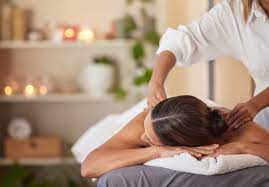
Working at a computer for hours on end has become the norm for millions of Canadians, especially since remote work became widespread. If you’re experiencing that familiar ache in your neck and shoulders after a long day at your desk, you’re not alone. Tech neck has become one of the most common workplace injuries of 2025, affecting up to 4 out of 5 office workers nationwide.
The good news? Targeted head massage techniques can provide significant relief and help prevent future strain. Let’s explore the most effective methods that are making waves in Toronto’s wellness scene and beyond.
Understanding Tech Neck: Why Computer Workers Suffer
When you spend hours looking at screens, your head naturally moves forward, creating what experts call “forward head posture.” With every inch the head moves forward and out of alignment, it doubles in weight, essentially. The muscles, tendons, ligaments, etc., have to work that much harder to keep the head up.
This unnatural positioning leads to:
- Chronic tension in the trapezius and levator scapulae muscles
- Restricted blood flow to the scalp and neck
- Headaches and migraines
- Stiffness between the shoulder blades
- Difficulty looking up after prolonged computer use
Top Head Massage Techniques for Immediate Relief
1. Japanese Head Spa Technique – The 2025 Trending Solution
Japanese head spas are the most popular spa trend as we head into 2025, with an impressive 233% increase in searches year on year. This technique combines gentle scalp massage with acupressure points to promote circulation and relaxation.
How to perform:
- Start with circular motions using fingertips at the temples
- Work upward from the nape of the neck using gentle pressure
- Focus on the suboccipital muscles at the base of the skull
- Include steam therapy or warm towel application for enhanced benefits
2. Pressure Point Acupressure for Headache Relief
Target specific acupressure points that correspond to tension relief:
Key pressure points:
- Baihui (GV20): Located at the crown of the head, press gently for 30 seconds
- Yintang (EX-HN3): Between the eyebrows, excellent for frontal headaches
- Taiyang (EX-HN5): Temple points, massage in small circles
- Fengchi (GB20): Behind the ears at the skull’s base, crucial for neck tension
These points have been proven effective in multiple clinical studies for reducing chronic neck pain intensity.
3. Scalp Stimulation with Heat Therapy
Devices with app connectivity and AI-driven customization are gaining traction, particularly in Asia-Pacific markets. While high-tech solutions are emerging, simple heat application remains highly effective.
DIY approach:
- Warm a damp towel and place over the neck and shoulders
- Gently massage the scalp while heat penetrates the muscles
- Use essential oils like rosemary or peppermint for added benefits
- Apply for 10-15 minutes during work breaks
4. The “20-20-20 Plus Massage” Rule
Combine the popular 20-20-20 rule with quick massage techniques:
- Every 20 minutes, look 20 feet away for 20 seconds
- Add a 30-second neck roll and shoulder shrug
- Perform gentle scalp massage at the temples
- Stretch the upper trapezius muscles
Professional Techniques Worth Learning
Trigger Point Release
Tech neck leads to muscle tightness, especially in the trapezius, levator scapulae, and sternocleidomastoid muscles. Professional massage therapists recommend targeting these specific trigger points:
- Suboccipital Release: Apply gentle pressure with fingertips at the skull’s base
- Upper Trap Stretch: Tilt head to one side while gently pulling the opposite shoulder down
- Levator Scapulae Massage: Work along the side of the neck with circular motions
Steam and Circulation Enhancement
Following the trending Head Spa approach, incorporate steam therapy:
- Use a facial steamer or hot shower steam
- Focus on deep breathing while steam opens pores
- Follow with gentle scalp massage to improve blood circulation
Prevention Strategies for Long-Term Relief
Ergonomic Workspace Setup
- Position screens at eye level to reduce forward head posture
- Use an ergonomic chair with proper lumbar support
- Take regular breaks every hour for movement and stretching
Daily Maintenance Routine
Morning preparation:
- 5-minute scalp massage before starting work
- Neck stretches and shoulder rolls
- Apply light pressure to key acupressure points
Midday reset:
- Stand and stretch every hour
- Perform the “chin tuck” exercise to strengthen neck muscles
- Quick temple massage during breaks
Evening recovery:
- Hot shower with focus on neck and shoulders
- 10-minute head massage with essential oils
- Gentle neck stretches before bed
When to Seek Professional Help
A longitudinal study found that participants receiving professional massage therapy reported an average pain reduction from 7/10 to 2/10 on the pain scale. Consider booking professional treatments when:
- Self-massage provides only temporary relief
- Pain intensity exceeds 6/10 on the pain scale
- You experience numbness or tingling in arms
- Headaches become frequent or severe
The Science Behind Effective Head Massage
Recent research from the University of Michigan demonstrates that targeted massage therapy can:
- Increase blood circulation by up to 40%
- Reduce muscle tension within 15 minutes of application
- Lower stress hormones like cortisol
- Improve sleep quality and overall well-being
Trending Products and Tools for 2025
While professional treatments offer the best results, several trending tools can enhance your at-home routine:
- Jade rollers and gua sha tools for lymphatic drainage
- Scalp massagers with vibration for deeper tissue work
- Essential oil blends specifically formulated for tension relief
- Ergonomic pillows designed for neck support
Making Head Massage Part of Your Wellness Routine
The key to overcoming tech neck lies in consistency. Head Spa is not just a passing trend but a true revolution in the world of hair care and well-being. By incorporating these techniques into your daily routine, you can:
- Prevent chronic pain from developing
- Improve your work productivity
- Enhance overall quality of life
- Reduce dependence on pain medications
External Resources for Further Learning
For more comprehensive information about massage techniques and neck pain relief, consider exploring these authoritative sources:
- American Massage Therapy Association – Professional guidelines and research on massage therapy effectiveness
- Health Canada’s Workplace Ergonomics Guide – Official Canadian guidelines for workplace wellness
- Mayo Clinic’s Neck Pain Information – Comprehensive medical information about neck pain causes and treatments
Your Next Steps
Don’t let tech neck control your life. Start with these simple techniques today, and consider visiting a professional head spa for deeper treatment. Remember, the best approach combines immediate relief techniques with long-term prevention strategies.
Ready to experience the ultimate in head massage therapy? Book your appointment and discover why thousands of Toronto computer workers are making head spa treatments their go-to solution for neck strain relief.