 Grand Launch: Special Offer – Summer Wellness Package
Hair loss affects millions of Canadians, with male pattern baldness impacting roughly 50 percent of men and approximately 40 percent of women experiencing signs of hair thinning by age 50. The prevalence of alopecia in Canada is estimated to be approximately 2% in both males and females, making it a significant health concern that extends far beyond cosmetic considerations.
For those navigating the challenging journey of hair loss, scalp massage therapy emerges as a promising, evidence-based treatment that offers both physiological benefits and emotional support. Recent groundbreaking research has demonstrated that standardized scalp massage techniques can significantly improve hair thickness, support natural regrowth processes, and provide a non-invasive approach to managing various forms of alopecia.
Understanding Alopecia: Canada’s Hidden Health Challenge
Alopecia—the medical term for hair loss—encompasses a spectrum of conditions affecting both the scalp and body hair. While losing 50-100 hairs daily is considered normal and typically unnoticeable due to new hair growth, excessive hair loss can be both physically and emotionally distressing.
Primary Types of Alopecia in Canada:
Androgenetic Alopecia (Male/Female Pattern Baldness): The most common form affecting approximately 50 million men and 30 million women in North America. This hereditary condition is characterized by:
- In men: Receding hairline and thinning at the crown
- In women: Overall thinning, particularly at the crown, with preservation of the frontal hairline
Alopecia Areata: An autoimmune condition where the immune system mistakenly attacks hair follicles, resulting in round, coin-sized patches of hair loss. The Canadian Alopecia Areata Foundation reports seven known types of alopecia areata, each requiring professional medical diagnosis.
Telogen Effluvium: A condition occurring when hair follicles fail to enter the growth cycle following a period of rest, often triggered by surgery, prolonged fever, medications, thyroid imbalances, or prolonged stress.
Traction Alopecia: Caused by prolonged tension on hair roots from tight hairstyles such as ponytails, braids, or extensions, often reversible if caught early.
The Science Behind Scalp Massage for Hair Growth
The therapeutic potential of scalp massage has gained substantial scientific credibility through peer-reviewed research published in leading dermatology journals. A landmark study published in Dermatology and Therapy demonstrated that standardized scalp massages (SSMs) improve hair thickness in nonbalding men, with significant implications for treating androgenetic alopecia.
Key Research Findings:
2016 Study Results: Nine healthy Japanese men received daily 4-minute scalp massages for 24 weeks, resulting in measurably thicker hair by the study’s conclusion. Gene expression analysis revealed increased levels of hair cycle-related genes such as NOGGIN, BMP4, SMAD4, and IL6ST, while decreasing hair loss-related genes such as IL6.
2019 Large-Scale Survey: A comprehensive study involving 327 participants with androgenetic alopecia found that 69% of participants reported that their alopecia had improved following regular scalp massage protocols. The research showed that perceived hair loss stabilisation and regrowth occurred after an average of 36.3 hours of massage effort.
2020 Clinical Trial: Researchers assessed the effects of scalp massages in chemotherapy-induced alopecia among women with cancer, reporting that hair regrowth was “significantly improved” among those who underwent scalp massage compared to the control group.
Mechanisms of Action:
Blood Flow Enhancement: Scalp massage stimulates blood circulation to hair follicles, providing essential nutrients and oxygen required for healthy hair growth. This mechanism parallels how minoxidil works, one of only two treatments approved by regulators for androgenetic alopecia.
Cellular Stretching: Massaging creates mechanical stress that stretches dermal papilla cells in the subcutaneous tissue. This stretching force results in changes in gene expression, particularly upregulating genes associated with hair growth cycles.
Inflammation Reduction: Research suggests that scalp massage increases blood flow, which may nourish hair follicles and support hair regrowth while addressing underlying inflammation—a common factor in hair thinning and loss.
Stress Hormone Regulation: Massage therapy reduces cortisol levels while increasing serotonin and dopamine production, creating optimal hormonal conditions for hair follicle health.
Professional Scalp Massage Protocols
At Head Spa Toronto, our registered massage therapists employ evidence-based techniques specifically designed for hair loss management:
Standardized Massage Techniques:
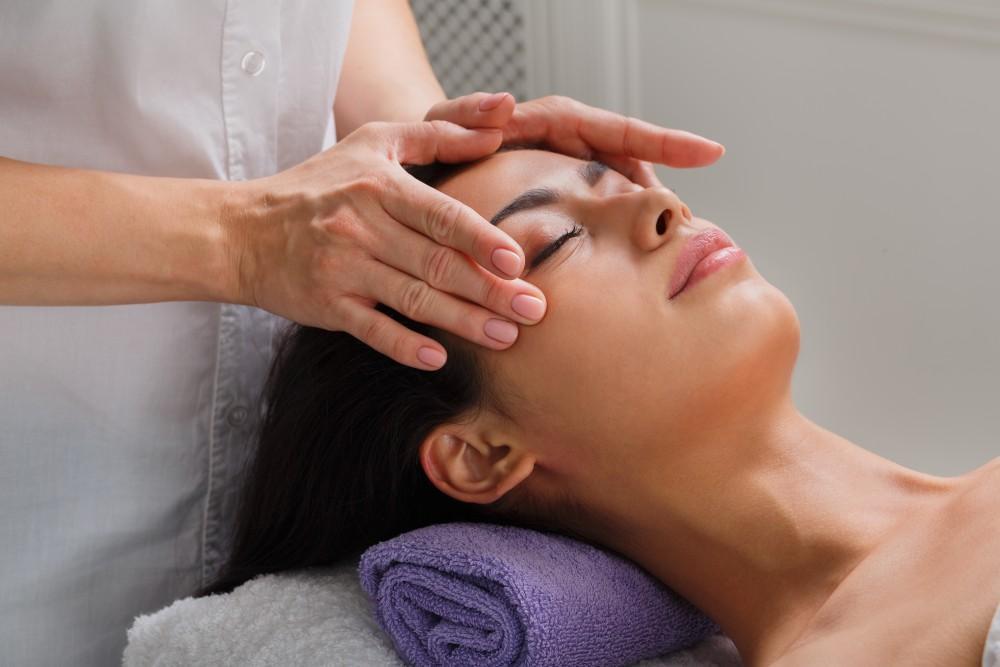
Presses, Pinches, and Stretches: Following the successful research protocols, professional treatments utilize hand-generated presses, pinches, and stretches segmented by three rotational scalp regions. These techniques target specific areas where hair follicles require stimulation.
Micro Mist Technology: Advanced scalp care incorporates micro mist therapy, which deeply hydrates the scalp and hair while enhancing blood circulation, creating optimal conditions for follicle revitalisation.
Traditional Medicine Integration: Combining ancient massage techniques with modern understanding of hair follicle biology, treatments address both physical and emotional aspects of hair loss.
Treatment Protocols for Different Conditions:
Androgenetic Alopecia Management: Twice-daily, 20-minute sessions focusing on areas of pattern baldness, with treatments showing effectiveness across all age groups and both genders.
Alopecia Areata Support: Gentle massage techniques designed to reduce autoimmune-related inflammation while supporting natural regrowth processes in affected patches.
Stress-Related Hair Loss: Comprehensive treatments targeting both scalp health and stress reduction, addressing telogen effluvium and other stress-induced hair loss conditions.
The Canadian Healthcare Context
Canada’s healthcare landscape increasingly recognises complementary approaches to managing hair loss conditions. The Canadian Alopecia Areata Foundation and Canadian Dermatology Association actively work towards spreading awareness and promoting early diagnosis and treatment.
Healthcare Accessibility:
Provincial Coverage Considerations: While Canadian healthcare provides universal coverage, certain alopecia treatments such as JAK inhibitors are not comprehensively covered by all provincial plans. Massage therapy, however, is often covered under extended health benefits.
Cost-Effective Solutions: With oral JAK inhibitors and hair transplantation procedures coming with substantial expenses often surpassing healthcare budgets, scalp massage offers an accessible alternative treatment approach.
Market Growth:
The Canada Alopecia Therapeutics Market was valued at US $0.65 billion in 2022 and is predicted to grow at a CAGR of 7.50% from 2023 to 2030, reaching US $1.17 billion by 2030. This growth reflects increasing demand for effective, non-invasive hair loss solutions.
Self-Care Techniques and Home Protocols
Research demonstrates that consistent self-massage can provide significant benefits for hair health. The 2019 study found that participants who maintained massage routines for extended periods showed the greatest improvements.
Evidence-Based Home Techniques:
Daily Massage Protocol:
- Preparation: Ensure hands are clean and nails are trimmed to avoid scalp irritation
- Duration: Aim for 10-20 minutes daily, divided into morning and evening sessions
- Pressure: Apply firm but comfortable pressure using fingertips
- Technique: Incorporate circular motions, gentle stretching, and pinching movements
- Focus Areas: Target regions of concern while maintaining full-scalp coverage
Essential Oil Enhancement: Some research suggests incorporating essential oils such as rosemary, peppermint, or lavender may enhance massage benefits, though they aren’t required for effectiveness.
Lifestyle Integration:
Stress Management: Since stress can both trigger new hair loss and worsen existing conditions, combining scalp massage with stress-reduction techniques provides comprehensive support.
Nutritional Support: Addressing deficiencies in zinc, iron, vitamin D, and biotin alongside massage therapy optimises treatment outcomes.
Sleep Optimisation: Quality sleep supports natural hair growth cycles, making evening massage sessions particularly beneficial.
Special Considerations for Different Populations
Women and Hormonal Changes:
Postmenopausal Hair Loss: With roughly 40 percent of women experiencing hair thinning by age 50, massage therapy offers hormone-free support during transitional periods.
Pregnancy and Postpartum: Gentle scalp massage provides safe, non-pharmaceutical support for pregnancy-related hair changes and postpartum hair loss.
Cancer Patients and Medical Hair Loss:
Chemotherapy-Induced Alopecia: Research shows significant improvement in hair regrowth among cancer patients receiving scalp massage, providing both physical and emotional benefits during treatment.
Radiation Therapy Support: Gentle massage techniques can support scalp health and comfort during and after radiation treatments.
Paediatric Considerations:
Childhood Alopecia Areata: Age-appropriate massage techniques provide supportive care for children experiencing autoimmune hair loss, with parental involvement in treatment protocols.
Trichotillomania Management: Therapeutic massage can help address underlying stress and anxiety contributing to hair-pulling behaviours.
Integration with Medical Treatments
Scalp massage therapy works synergistically with conventional medical treatments, enhancing overall outcomes without interfering with pharmaceutical interventions.
Combination Approaches:
With Minoxidil: Massage enhances the absorption and effectiveness of topical minoxidil applications while providing additional circulation benefits.
With Finasteride: Men using finasteride can benefit from massage’s stress-reduction and circulation-enhancing properties alongside hormonal intervention.
With Corticosteroid Treatments: For alopecia areata patients using topical or injected corticosteroids, massage provides supportive care and stress management.
Complementary Therapies:
Low-Level Laser Therapy (LLLT): Combination protocols incorporating both massage and light therapy show enhanced results compared to individual treatments.
Platelet-Rich Plasma (PRP): Massage can support the healing environment created by PRP injections while maintaining scalp health between treatments.
Microneedling: Post-microneedling massage protocols support healing and enhance treatment absorption.
Psychological Benefits and Quality of Life
Hair loss impacts mental health significantly, with studies showing that psychiatric disorders including anxiety, social phobia, and major depression are more prevalent in people with hair loss. Of the 129 Canadian patients surveyed, 123 (95%) felt uncomfortable or self-conscious about their appearance.
Mental Health Support:
Stress Reduction: Regular massage activates the parasympathetic nervous system, countering stress responses that can worsen hair loss conditions.
Self-Efficacy: Taking active steps in hair care management through massage provides psychological benefits beyond physical improvements.
Social Comfort: Improved confidence from visible hair improvements and stress reduction enhances social interactions and quality of life.
Sleep Quality: Better sleep patterns resulting from relaxation benefits support overall health and hair growth cycles.
When to Seek Professional Help
While self-massage provides valuable benefits, certain situations require professional medical evaluation:
Red Flag Symptoms:
- Sudden, severe hair loss
- Patches of complete hair loss with skin changes
- Hair loss accompanied by scalp pain, burning, or unusual symptoms
- Signs of scarring or permanent follicle damage
- Hair loss in children or young adults
- Systemic symptoms accompanying hair loss
Professional Treatment Benefits:
- Accurate Diagnosis: Determining the specific type of alopecia ensures appropriate treatment protocols
- Customised Techniques: Professional therapists adapt massage techniques to individual conditions and needs
- Progress Monitoring: Regular assessments track improvements and adjust treatment approaches
- Integrated Care: Coordination with medical professionals ensures comprehensive treatment
The Future of Scalp Massage in Hair Loss Treatment
As research continues to validate the effectiveness of scalp massage for various forms of alopecia, the treatment landscape continues evolving. The integration of traditional massage techniques with modern understanding of hair follicle biology represents a promising approach that addresses both physical and emotional aspects of hair loss.
Emerging Developments:
Technology Integration: Advanced devices for standardised massage delivery are being developed to ensure consistent pressure and technique application.
Personalised Protocols: Research into genetic factors influencing massage response may enable customised treatment plans based on individual characteristics.
Combination Therapies: Studies investigating optimal combinations of massage with other treatments continue to refine therapeutic approaches.
Conclusion: Embracing Natural Solutions
For Canadians experiencing hair loss, scalp massage therapy offers a scientifically-validated, accessible treatment option that addresses both the physical and emotional challenges of alopecia. With 69% of study participants reporting improvements and research demonstrating measurable increases in hair thickness, massage therapy provides hope for those seeking natural approaches to hair restoration.
The evidence clearly demonstrates that standardized scalp massage can significantly improve hair thickness by inducing stretching forces to dermal papilla cells, making it a valuable addition to comprehensive hair loss management strategies.
Whether you’re dealing with androgenetic alopecia, alopecia areata, or stress-related hair loss, incorporating professional scalp massage into your treatment plan offers multiple benefits: improved circulation, reduced inflammation, stress management, and direct cellular stimulation of hair follicles.
Ready to explore the therapeutic benefits of scalp massage for your hair health journey? Schedule your consultation at Head Spa Toronto and discover how evidence-based massage therapy can support your path to healthier hair and renewed confidence.
For comprehensive information about hair loss conditions, visit the Canadian Dermatology Association or consult with qualified healthcare providers for personalised treatment plans.
References: