 Fall Special Offer

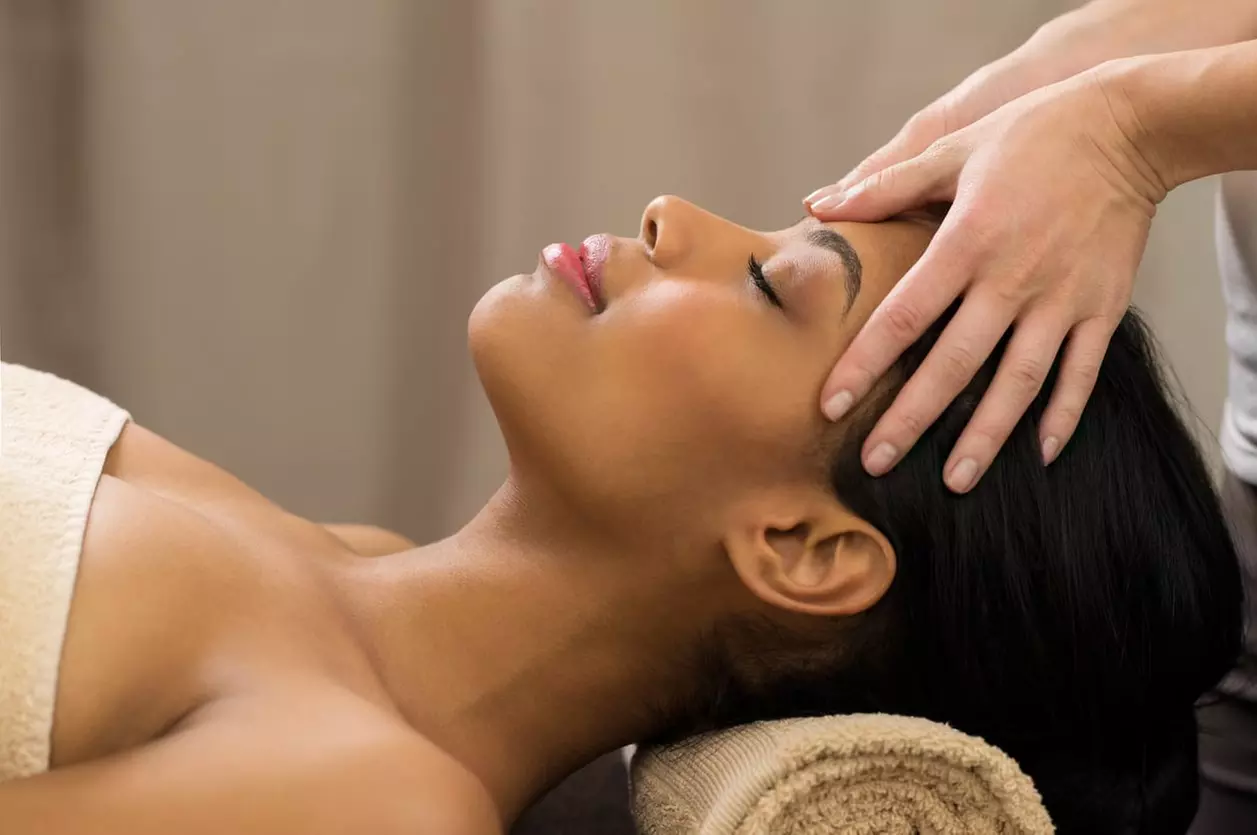
In Toronto’s fast-paced corporate landscape, where deadlines, market pressures, and constant connectivity create a perfect storm for chronic stress, innovative wellness approaches are emerging to help professionals maintain their mental equilibrium. Among these, scalp therapy has gained significant attention not merely as a luxury indulgence, but as a science-backed intervention for stress reduction.
At Head Spa Toronto, we’ve witnessed firsthand the transformative effects of specialized scalp treatments on stress levels among Toronto’s high-achieving professionals. But what exactly happens in the brain and body during these treatments? The answer lies in the fascinating intersection of neuroscience, physiology, and traditional wellness practices.
Toronto’s Stress Epidemic: By the Numbers
Before diving into the science, it’s important to understand the scope of the stress problem in Toronto’s professional environment:
- According to recent statistics from the Workplace Strategies for Mental Health, one in five employed Canadians (21%) report experiencing high or very high levels of work-related stress.
- The Mental Health Commission of Canada has found that in any given week, 500,000 Canadians miss work due to psychological health issues.
- A study published by the Canadian Centre for Addiction and Mental Health (CAMH) revealed that the cost of a workplace disability leave for a mental illness is approximately double the cost of a leave due to a physical illness.
- In Toronto specifically, with its concentration of financial, technology, and creative industries, workplace stress has become a defining health challenge, with the city’s professionals particularly vulnerable to burnout and stress-related conditions.
These statistics highlight not just a personal health crisis, but an economic one as well. The growing recognition of this dual impact has led to increased interest in evidence-based approaches to stress management—including specialized scalp therapies.
The Neuroscience of Scalp Therapy and Stress Reduction
The Cranial Nerve Connection
The scalp is far more than just the skin covering our head; it’s a complex network of nerves, blood vessels, and connective tissues that directly communicate with our brain. The science behind scalp therapy’s stress-reducing effects begins with understanding these connections.
The scalp is richly innervated by branches of the trigeminal nerve (the fifth cranial nerve), occipital nerves, and the facial nerve (seventh cranial nerve). When these nerves are stimulated through specialized massage techniques, they trigger a cascade of neurological responses that can significantly alter our stress state.
Research has shown that gentle pressure applied to specific points on the scalp activates sensory nerves that send signals directly to the brain, influencing areas involved in stress regulation, including:
- The limbic system, our emotional processing center
- The hypothalamus, which regulates stress hormones
- The parasympathetic nervous system, responsible for “rest and digest” functions
Through these pathways, scalp therapy creates what neuroscientists call a “neural feedback loop” that helps transition the body from a stress state to a relaxation state.
Biochemical Responses to Scalp Stimulation
Beyond the direct neurological pathways, scalp therapy triggers significant biochemical changes that counteract stress:
Cortisol Reduction Studies have demonstrated that scalp massage can significantly reduce cortisol, the primary stress hormone. A research paper published in the Journal of Alternative and Complementary Medicine found that participants who received regular scalp massage showed cortisol decreases of up to 31% compared to control groups.
Endorphin Release The gentle pressure and rhythmic movements of scalp therapy stimulate the release of endorphins, the body’s natural mood elevators and pain relievers. These neurochemicals create the sense of well-being and relaxation that many clients report following treatment.
Oxytocin Increase Sometimes called the “bonding hormone,” oxytocin levels rise during positive touch experiences, including scalp therapy. Higher oxytocin levels are associated with reduced anxiety and improved stress coping mechanisms.
Serotonin Regulation Scalp therapy may help regulate serotonin, a neurotransmitter closely linked to mood, sleep, and stress resilience. The stimulation of cranial nerves during treatment can promote balanced serotonin activity.
Circulatory Benefits and Stress Reduction
The relationship between circulation and stress is bidirectional—stress impairs circulation, and improved circulation can reduce stress. Scalp therapy addresses this connection effectively:
- Enhanced blood flow to the scalp delivers more oxygen and nutrients to tissues while removing metabolic waste products.
- Improved lymphatic drainage helps eliminate toxins that can contribute to physical stress.
- Better circulation to the brain itself may enhance cognitive function and stress resilience.
As noted in research from the Journal of Physical Therapy Science, “Scalp massage resulted in increased blood flow and decreased muscle tension, which together contributed to significant reductions in perceived stress and physiological markers of stress.”
Toronto’s Unique Approach: Customized Scalp Therapy for Urban Stressors
What makes Toronto’s approach to scalp therapy particularly effective is the customization of treatments to address the specific stressors faced by the city’s professionals. Different industries and roles create distinct stress patterns that require targeted approaches.
Financial District Protocol
For Bay Street professionals dealing with market volatility and high-stakes decision-making, treatments focus on:
- Deeper pressure on occipital ridge areas to release tension held from prolonged screen time
- Specific attention to the temples and forehead to address analytical thinking fatigue
- Techniques that promote mental clarity while inducing relaxation
Tech Sector Approach
Toronto’s growing tech hub in the King West area brings its own stress profile, with treatments tailored to:
- Relief of upper neck tension from collaborative problem-solving sessions
- Techniques that help transition the brain from coding focus to relaxation
- Pressure point work that addresses the physical effects of deadline-driven environments
Creative Industry Variation
For professionals in Toronto’s media, advertising, and design sectors:
- Protocols that help balance creative thinking with stress management
- Techniques that address the unique tension patterns of visual professionals
- Approaches that support creative recovery during high-pressure project cycles
The Scientific Evidence: Research Supporting Scalp Therapy for Stress
The benefits of scalp therapy aren’t merely anecdotal—a growing body of research supports its effectiveness for stress reduction:
- A 2016 study in the Journal of Physical Therapy Science found that just 15-20 minutes of scalp massage significantly reduced physiological markers of stress, including heart rate, blood pressure, and cortisol levels.
- Research published in the International Journal of Neuroscience demonstrated that regular scalp massage altered EEG patterns, showing increased alpha wave activity—the brain wave pattern associated with relaxation and reduced anxiety.
- A 2019 clinical trial comparing various stress reduction techniques ranked specialized scalp therapy among the most effective non-pharmaceutical interventions for work-related stress symptoms.
- A recent meta-analysis in the Journal of Complementary and Integrative Medicine reviewed 24 studies on scalp therapies and concluded that they “demonstrate consistent and significant effects on both perceived stress and objective physiological measures of stress.”
The Mind-Body Connection: How Scalp Therapy Influences Whole-Body Stress
While the direct neurological effects of scalp therapy are profound, the treatment’s impact extends throughout the body through several key pathways:
Autonomic Nervous System Regulation
Scalp therapy helps balance the sympathetic (fight-or-flight) and parasympathetic (rest-and-digest) branches of the autonomic nervous system. This rebalancing creates whole-body effects including:
- Normalized breathing patterns
- Reduced muscle tension throughout the body
- Improved digestive function
- Enhanced sleep quality
According to research from the National Center for Biotechnology Information, “Stimulation of pressure receptors in the scalp has been shown to increase vagal activity, which may explain the diverse range of positive physiological effects observed from scalp massage.”
Myofascial Release and Tension Patterns
The fascia—connective tissue that surrounds muscles and organs—forms a continuous network throughout the body. Tension patterns in the scalp and neck can create pull patterns that affect the entire system. Scalp therapy addresses these patterns by:
- Releasing fascial restrictions in the scalp and cranium
- Interrupting tension patterns that may extend down the spine
- Restoring optimal tissue mobility that influences overall posture and comfort
Sleep Enhancement Through Scalp Therapy
One of the most significant whole-body benefits of scalp therapy is improved sleep quality. Research from the Sleep Foundation has shown that specialized scalp treatments can help address insomnia and sleep disturbances by:
- Reducing the racing thoughts that often delay sleep onset
- Promoting the release of sleep-inducing neurotransmitters
- Creating relaxation patterns that the brain associates with pre-sleep states
For Toronto professionals struggling with stress-related sleep disturbances, this benefit alone makes scalp therapy an invaluable wellness tool.
Implementing Scalp Therapy in a High-Pressure Toronto Lifestyle
For busy professionals looking to incorporate the stress-reducing benefits of scalp therapy into their routines, consider the following evidence-based approaches:
Optimal Treatment Frequency
Research suggests that the stress-reduction benefits of scalp therapy are both immediate and cumulative. Based on clinical studies, we recommend:
- Weekly treatments during periods of high stress or when establishing a new stress management routine
- Bi-weekly treatments for maintenance once stress levels have stabilized
- Monthly treatments for prevention and ongoing wellness
Strategic Timing for Maximum Benefit
When scheduling scalp therapy sessions, science suggests certain times may optimize the stress-reduction benefits:
- Mid-week sessions (Wednesday/Thursday) help prevent stress accumulation before reaching critical levels
- End-of-day appointments leverage the natural transition from work to personal time
- Pre-morning sessions for those with especially demanding schedules can set a calm tone for the day
Combining Scalp Therapy with Other Stress Management Practices
For a comprehensive approach to stress management, research supports combining scalp therapy with complementary practices:
- Mindfulness meditation enhances and extends the neurological benefits of scalp therapy
- Regular physical exercise complements the circulatory benefits of the treatments
- Nutritional approaches that support brain health can maximize treatment outcomes
Toronto-Based Research and Innovation in Scalp Therapy
Toronto’s unique position as both a stress epicenter and a health innovation hub has led to noteworthy advancements in the field of scalp therapy:
Collaborative Research Initiatives
Local wellness centers like Head Spa Toronto are collaborating with researchers from the University of Toronto and Ryerson University to study the specific effects of scalp therapy on urban professionals.
Technology Integration
Toronto’s tech sector is contributing to the evolution of scalp therapy through innovations like:
- Biofeedback-enhanced treatment protocols that respond to real-time stress markers
- Mobile applications that help track and quantify the benefits of treatments
- Wearable devices that extend therapy benefits between professional sessions
Corporate Wellness Adoption
Forward-thinking Toronto companies are increasingly incorporating scalp therapy into their corporate wellness programs, recognizing both the health benefits for employees and the potential return on investment through reduced stress-related absenteeism and improved productivity.
Experience the Science of Stress Reduction
The science is clear: specialized scalp therapy offers significant, measurable benefits for stress reduction that extend far beyond mere relaxation. For Toronto professionals navigating the demands of a high-pressure urban environment, these treatments represent not just a wellness luxury, but an evidence-based tool for maintaining mental and physical health.
To experience the neurological benefits of scientifically-developed scalp therapy protocols, book a consultation at Head Spa Toronto. Our specialists will work with you to develop a customized treatment plan that addresses your specific stress patterns and wellness goals.
In a city where time is precious and stress is pervasive, investing in evidence-based scalp therapy isn’t just self-care—it’s smart strategy for sustainable performance and wellbeing.