 Fall Special Offer

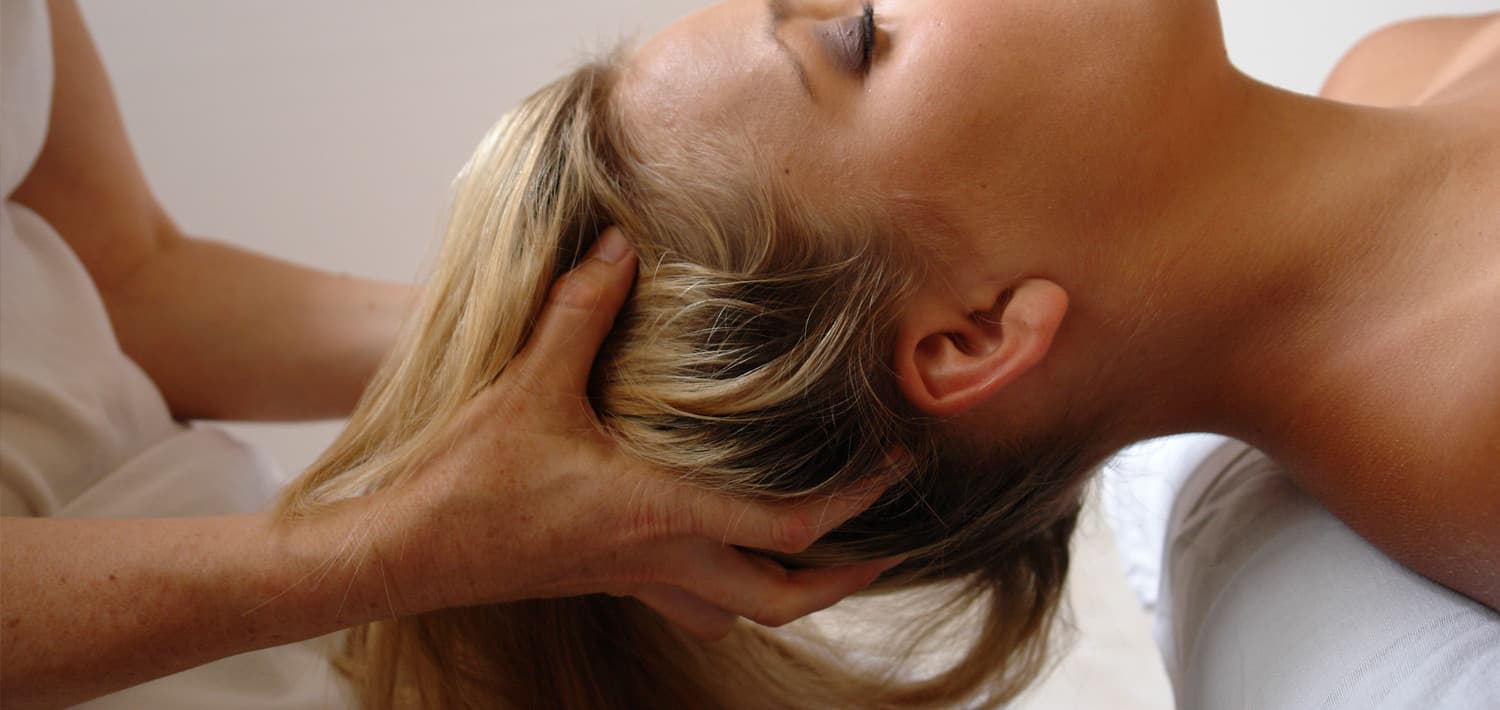
Pregnancy is a beautiful journey filled with incredible changes, but it can also bring its share of discomforts—from morning sickness and headaches to stress and muscle tension. Many expecting Canadian mothers are turning to head massage therapy as a natural way to find relief. With Japanese head spa treatments seeing a 233% increase in searches and prenatal wellness becoming a top priority in 2025, understanding the safety guidelines for head massage during pregnancy has never been more important.
While head massage can offer tremendous benefits for expectant mothers, it requires special considerations and expert knowledge to ensure both mum and baby remain safe throughout the treatment. Let’s explore the essential safety guidelines that every expecting Canadian should know.
Understanding Pregnancy Changes That Affect Head Massage
Before diving into safety guidelines, it’s crucial to understand how pregnancy affects the body and why specialized techniques are necessary:
Physiological Changes During Pregnancy
Blood volume increases by 40-50% during pregnancy, affecting circulation patterns throughout the body, including the scalp. While this enhanced circulation can improve hair growth and scalp health, it also requires careful consideration during massage treatments to ensure appropriate pressure and technique modifications.
Hormonal fluctuations create increased sensitivity to touch, scents, and pressure. What felt comfortable before pregnancy may now feel overwhelming or uncomfortable. Additionally, the body’s natural anticoagulants increase to prevent hemorrhaging during delivery, putting pregnant women at higher risk for blood clots.
Positional Considerations
As pregnancy progresses, lying face-down becomes impossible and lying flat on the back can compress major blood vessels. Professional head spa treatments for pregnant clients require specialized positioning with side-lying or semi-reclined positions preferred over traditional arrangements.
Essential Safety Guidelines by Trimester
First Trimester Safety Protocols (Weeks 1-12)
The first trimester is considered the most delicate period for massage therapy. Many professional spas require medical clearance during this time due to the increased risk of miscarriage, which is statistically higher during the first 12 weeks.
Safe practices include:
- Medical clearance required – Always consult your healthcare provider before booking any massage
- Gentle pressure only – Light, soothing strokes rather than deep tissue work
- Avoid specific pressure points – Certain acupressure points can potentially stimulate uterine contractions
- Focus on nausea relief – Gentle temple massage and mild aromatherapy can help with morning sickness
- Shorter sessions – 15-30 minutes maximum to avoid overwhelming the system
First trimester treatments focus primarily on addressing morning sickness-related tension and the fatigue that often accompanies early pregnancy. Gentle scalp massage can help alleviate headaches associated with hormonal changes.
Second Trimester Guidelines (Weeks 13-27)
The second trimester is often called the “golden period” of pregnancy, and massage treatments can typically be more comprehensive during this time as many women feel more comfortable and energetic.
Enhanced safety measures:
- Optimal treatment window – Most comfortable period for longer sessions
- Improved positioning options – Side-lying positions become more comfortable
- Comprehensive treatments possible – Can include gentle acupressure and aromatherapy
- Monitor for gestational conditions – Be aware of any developing issues like gestational diabetes or hypertension
- Enhanced circulation benefits – Massage can help address increased hair growth and scalp health
Third Trimester Modifications (Weeks 28-40)
Third trimester modifications become more extensive as physical limitations increase and the body prepares for labour.
Critical considerations:
- Shorter treatment sessions – 30-45 minutes maximum with frequent position changes
- Extra comfort measures – Multiple pillows for support, easy restroom access
- Avoid labour-inducing points – Strict avoidance of pressure points that could trigger contractions
- Monitor for complications – Watch for signs of preeclampsia, gestational diabetes, or preterm labour
- Prepare for labour – Some points can be used safely after 37 weeks if labour induction is desired
Pressure Points to Absolutely Avoid During Pregnancy
Understanding which pressure points to avoid is crucial for safety. These “forbidden points” are traditionally avoided during pregnancy due to their potential to induce labour or stimulate strong physiological reactions:
The Five Primary Points to Avoid
- Large Intestine 4 (LI4) – “Joining Valley”
- Location: Between thumb and index finger on back of hand
- Why avoid: Potent point for moving energy, highly effective in inducing labour
- Risk: May trigger uterine contractions, potentially leading to premature labour
- Spleen 6 (SP6) – Three Yin Intersection
- Location: Inner lower leg, above the ankle bone
- Why avoid: Directly affects uterus and reproductive organs
- Risk: Can speed up labour and cause strong contractions
- Bladder 60 (BL60) – Kunlun
- Location: Behind ankle bone, between Achilles tendon and ankle
- Why avoid: Powerful point for promoting labour
- Risk: Stimulating effect on uterus, beneficial for overdue pregnancies but dangerous early on
- Gallbladder 21 (GB21) – Shoulder Well
- Location: Top of shoulders, in trapezius muscle
- Why avoid: Strong descending action can stimulate uterine contractions
- Risk: Known for moving energy downward, potentially triggering labour
- Conception Vessel 3 (CV3) – Central Pole
- Location: Lower abdomen, below umbilicus
- Why avoid: Strong stimulation of reproductive organs
- Risk: Powerful effect on moving energy in lower abdomen
Professional therapists trained in prenatal massage know to avoid these areas completely or use only the gentlest touch if working nearby regions.
Safe Techniques for Prenatal Head Massage
Recommended Massage Methods
Swedish massage techniques are considered the gold standard for pregnant clients, using long, flowing strokes that boost circulation without excessive pressure.
Safe techniques include:
- Light effleurage strokes – Gentle, flowing movements across the scalp
- Mild circular motions – At temples and behind ears using fingertips
- Gentle traction – Soft pulling motions through the hair
- Lymphatic drainage – Light pressure to reduce swelling and support detoxification
- Aromatherapy integration – Pregnancy-safe essential oils for additional benefits
Pressure and Positioning Guidelines
“A prenatal massage should generally be very light pressure—no more than firm to medium pressure,” advise certified prenatal massage therapists. The massage should feel soothing rather than intense, never causing discomfort.
Optimal positioning involves:
- Side-lying with pillow support – Most comfortable for advanced pregnancy
- Semi-reclined in massage chair – Good alternative for those with breathing issues
- Seated upright massage – Perfect for neck, shoulders, and scalp work
- Avoid prone positioning – Never face-down after first trimester
- Limit supine time – Minimize time on back to prevent blood vessel compression
Medical Conditions Requiring Special Caution
High-Risk Pregnancy Considerations
Always get medical clearance before massage if you have:
- High blood pressure (uncontrolled hypertension)
- Preeclampsia or gestational diabetes
- History of preterm labour or current preterm contractions
- Placental complications (abruption, previa)
- Multiple pregnancies (twins, triplets)
- Severe morning sickness (hyperemesis gravidarum)
Conditions Where Massage May Be Contraindicated
Absolute contraindications include:
- Active bleeding or spotting
- Severe hypertension
- Blood clotting disorders
- Recent surgery or injuries
- Active infections or fever
- Threatened miscarriage
A massage therapist may require written consent from your doctor and a liability waiver before performing pregnancy massage, especially if you have any risk factors.
Choosing a Qualified Prenatal Massage Therapist
Essential Qualifications to Look For
Professional certification in prenatal massage is non-negotiable. Look for therapists who have completed specialized training beyond standard massage therapy education.
Key qualifications include:
- Prenatal massage certification from recognized training programs
- Current liability insurance that covers prenatal treatments
- Experience with pregnant clients – Ask about their experience level
- Medical collaboration – Willingness to work with your healthcare provider
- Continuing education – Stay updated on latest prenatal massage research
Questions to Ask Your Therapist
Before booking, ensure your therapist can answer these questions:
- How many hours of prenatal massage training have you completed?
- How long have you been providing prenatal massage services?
- What modifications do you make for each trimester?
- Which pressure points do you avoid during pregnancy?
- Do you require medical clearance for certain conditions?
The Benefits of Safe Prenatal Head Massage
Physical Health Benefits
Research from 2011 suggests that massage during pregnancy may help decrease:
- Depression and anxiety levels
- Back and leg pain intensity
- Sleep disturbances and insomnia
- Headache frequency and severity
- Muscle tension and stiffness
Additional benefits include:
- Stress hormone reduction – Particularly important during pregnancy
- Improved circulation – Enhanced blood flow to scalp and throughout body
- Better sleep quality – Deep relaxation promotes restorative sleep
- Headache relief – Safe alternative to pain medications during pregnancy
- Reduced swelling – Gentle lymphatic drainage can help with edema
Emotional and Mental Health Support
Up to 36.8% of Australian women visit complementary medicine practitioners during pregnancy, and close to half seek massage therapy. The emotional benefits are just as important as physical relief:
- Reduced anxiety about pregnancy and childbirth
- Improved mood through endorphin release
- Enhanced body connection during rapid physical changes
- Stress management during this transformative time
- Preparation for labour through relaxation techniques
Environmental Safety Considerations
Spa Environment Modifications
The spa environment requires special consideration for expectant mothers who may experience heightened sensitivity to sounds, smells, and lighting.
Important environmental factors:
- Ventilation and air quality – Fresh air circulation to prevent nausea
- Scent sensitivity accommodation – Avoid strong fragrances or harsh chemicals
- Temperature control – Comfortable room temperature as pregnant women often feel warmer
- Lighting adjustments – Dimmed lighting to reduce sensory overload
- Easy restroom access – Frequent bathroom breaks may be necessary
Hygiene and Safety Standards
Professional spas must maintain exceptional hygiene standards:
- Sanitized equipment between each client
- Fresh linens and pillows for every session
- Clean, well-ventilated treatment rooms
- Hand sanitization protocols for therapists
- Equipment safety checks for any mechanical devices used
Safe Essential Oils and Products for Pregnancy
Pregnancy-Safe Aromatherapy Options
Certain essential oils are considered safe during pregnancy when properly diluted:
Safe oils include:
- Lavender – Promotes relaxation and better sleep
- Sweet orange – Helps with constipation and mood
- Lemon – May help with nausea and morning sickness
- Neroli (orange blossom) – Soothes heartburn and anxiety
- Peppermint – Can help with headaches (use sparingly)
Oils to absolutely avoid:
- Rosemary (can stimulate contractions)
- Clary sage (labour-inducing properties)
- Jasmine (uterine stimulant)
- Juniper (affects kidneys)
- Sage (hormonal effects)
Always inform your therapist about any scent sensitivities, as pregnancy can make previously enjoyed aromas overwhelming or unpleasant.
Current Trends in Pregnancy Wellness 2025
Japanese Head Spa Adaptations for Pregnancy
The trending Japanese head spa technique has been adapted for expectant mothers with specialized protocols that ensure safety while maintaining the relaxation benefits.
Pregnancy-adapted Japanese head spa includes:
- Scalp analysis and personalized treatment plans tailored for pregnant clients
- Modified steam therapy using gentle temperatures and pregnancy-safe aromatherapy
- Adapted positioning with comfortable side-lying or semi-reclined options
- Gentle massage techniques derived from traditional methods but modified for pregnancy
- Extended relaxation periods to accommodate the deeper rest needs during pregnancy
Technology and Prenatal Massage
2025 trends in prenatal massage include:
- Mobile massage services bringing treatments to expectant mothers’ homes
- Specialized pregnancy massage tables with cut-outs for growing bellies
- Temperature-controlled massage oils for enhanced comfort
- Customized aromatherapy diffusers with pregnancy-safe scent options
- Prenatal massage apps for finding certified therapists and tracking treatments
When to Avoid Head Massage During Pregnancy
Red Flag Symptoms
Stop treatment immediately and contact your healthcare provider if you experience:
- Sudden bleeding or spotting
- Severe abdominal pain or cramping
- Dizziness or fainting
- Severe nausea or vomiting
- Decreased fetal movement (in later pregnancy)
- Signs of preterm labour (regular contractions, pelvic pressure)
Temporary Contraindications
Postpone massage treatments during:
- Acute illness or fever
- Recent vaccination (wait 24-48 hours)
- Severe morning sickness episodes
- High stress or emotional crisis
- Recent changes in medication
External Resources for Pregnancy Safety
For comprehensive information about pregnancy massage safety and prenatal wellness, explore these authoritative sources:
- Society of Obstetricians and Gynaecologists of Canada (SOGC) – Canada’s leading authority on pregnancy and women’s health, offering evidence-based guidelines for prenatal care
- American Pregnancy Association – Comprehensive resource for prenatal massage safety and benefits
- Health Canada – Pregnancy Guidelines – Official Canadian government guidance on pregnancy health and safety considerations
Making Informed Decisions About Prenatal Head Massage
Consultation with Healthcare Providers
Before beginning any massage therapy program during pregnancy, consult with:
- Your primary obstetrician or family doctor
- Certified prenatal massage therapist
- Any specialists involved in your care (if high-risk pregnancy)
Creating a Safe Treatment Plan
Work with your healthcare team to develop:
- Trimester-specific treatment protocols adapted to your changing needs
- Emergency contact procedures in case complications arise
- Modification guidelines for any developing conditions
- Integration with overall prenatal care as part of your wellness plan
The Future of Prenatal Wellness in Canada
As wellness continues to be a top priority in 2025, Toronto’s top spas are leading the way by offering innovative prenatal treatments that prioritize safety without sacrificing effectiveness.
Current trends show increasing demand for:
- Specialized prenatal spa packages combining multiple safe treatments
- Mobile prenatal massage services for convenience and comfort
- Integrated healthcare approaches working with medical professionals
- Technology-enhanced safety protocols for better monitoring and care
- Personalized treatment plans based on individual pregnancy needs
Taking the Next Step in Prenatal Wellness
Head massage during pregnancy can be a wonderful way to manage stress, relieve discomfort, and prepare for the incredible journey of motherhood. However, safety must always be the top priority. By understanding the guidelines outlined above and working with qualified professionals, expectant mothers can enjoy the benefits of head massage while protecting both their health and their baby’s wellbeing.
Ready to experience safe, professional prenatal head massage therapy? Our certified prenatal massage specialists understand the unique needs of expecting Canadian mothers and follow the strictest safety protocols. Every treatment is personalized for your trimester and health status, ensuring a relaxing experience that supports both you and your growing baby.
Book your prenatal consultation today and discover how expertly administered head massage can enhance your pregnancy journey while maintaining the highest safety standards.